- Digital detox and fasting offer strategies to reclaim personal time in an overly connected, modern world.
- The impact of constant digital engagement on mental health and physical well-being.
- Exploring how digital detox can improve mental clarity and emotional serenity.
- The role of digital fasting in fostering better social relationships and community engagement.
- Strategies for incorporating digital detox and fasting into everyday life to boost productivity and overall wellness.
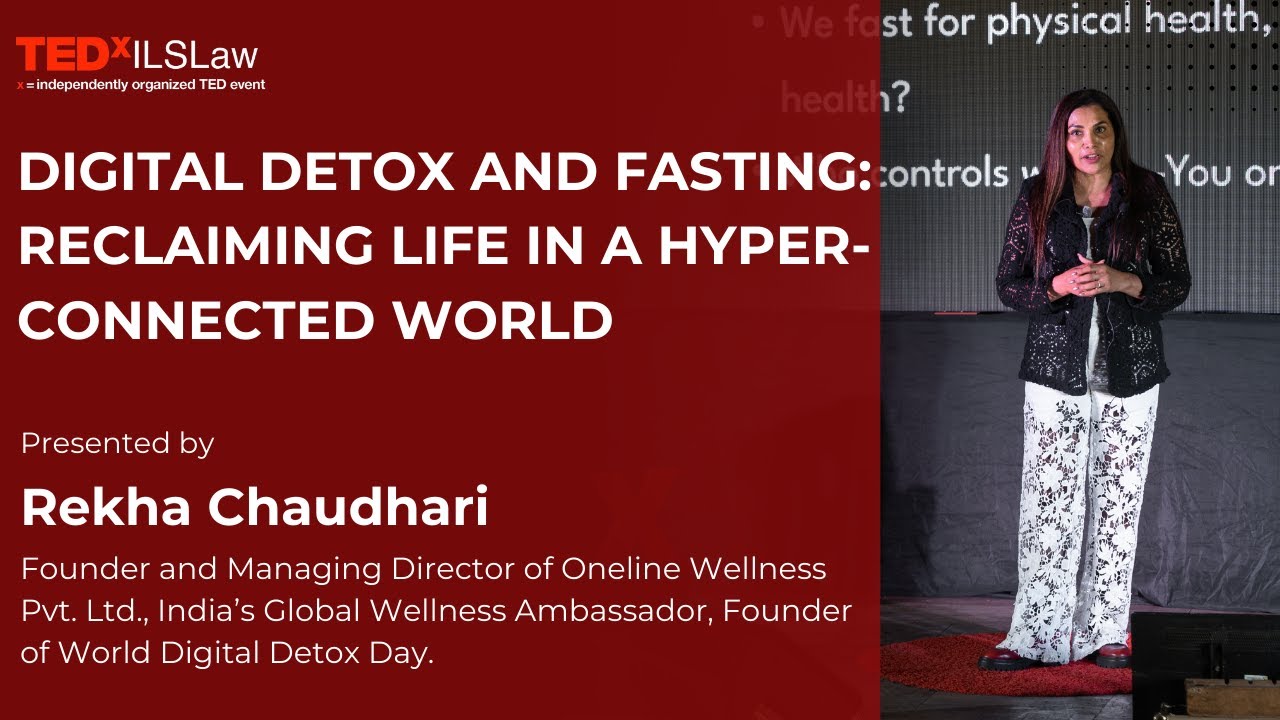
The digital era, while bringing remarkable advances to communication and access to information, has also introduced challenges that affect our well-being. The TEDx talk "Digital Detox & Fasting: Reclaiming Life in Hyper-Connected World" by Dr. Rekha Chaudhary sheds light on these challenges and suggests viable solutions for improving our quality of life. By cutting through the noise of a perpetually linked society, digital detox and fasting emerge as powerful tools to regain control of our attention and time.
The perpetual connectivity facilitated by smartphones and various digital platforms has come under scrutiny for its impact on mental and physical health. Studies illustrate how excessive digital interactions increase stress levels and disrupt sleep, linking them to a myriad of health issues including anxiety and depression. Constant notifications lead to fragmented attention, preventing individuals from engaging deeply in tasks and relationships. The compounding stress from these disruptions may also negatively affect physical health by exacerbating metabolic disorders. Increased screen time, especially before bed, is known to interfere with circadian rhythms, leading to poor sleep quality and subsequent metabolic imbalances, including reduced insulin sensitivity.
Embracing a digital detox does not imply abandoning technology but creating intentional boundaries. By setting specific screen-free periods, individuals can carve out time for reflection and relaxation, crucial for reducing stress levels and enhancing mental clarity. This could mean dedicating certain hours of the day to offline activities, which may help decrease feelings of being overwhelmed or overstimulated. Such practices can have profound impacts on emotional well-being, fostering a clearer mind capable of deeper focus and creativity.
Digital fasting also plays a significant role in revitalizing social bonds. In a connected world where virtual interactions sometimes overshadow face-to-face engagements, detaching from screens encourages genuine connections. Families can benefit from digital-free meals, while friendships may deepen through more sincere and direct interactions. Studies have found that social relationships, when nurtured through personal contact, contribute significantly to emotional health and resilience.
Incorporating digital detox and fasting into daily life involves practical strategies that promote better productivity and wellness. Simple tactics such as disabling non-essential notifications and creating tech-free zones at home can be effective. Furthermore, engaging in activities that are inherently screen-free — like physical exercise, cooking, or meditation — can help redirect focus and energy toward self-improvement and stress reduction. These practices not only contribute to mental tranquility but also support physical health by encouraging a more active lifestyle.
Implementing digital detox and fasting requires discipline, yet the long-term benefits include reclaimed time and enhanced life satisfaction. By understanding the biological and psychological toll of constant digital connections, individuals can make informed decisions toward healthier lifestyles. Such intentional lifestyle changes contribute to improved overall health, especially as they relate to reducing stress-related metabolic issues and enhancing insulin sensitivity.
By incorporating regular periods of digital detox and fasting, individuals can counteract the pressures of the digital age. These practices provide pathways toward not only improved personal well-being but also healthier social environments. As society becomes increasingly digitized, adopting such measures will be essential for maintaining balance, reducing stress, and achieving greater whole health.
*****
Source Description
World Digital Detox Day, a visionary initiative founded by Dr. Rekha Chaudhari, is a global movement dedicated to addressing the pervasive issue of digital overload and its profound impact on mental health and well-being. Celebrated annually, this day encourages individuals, families, and communities to take a step back from their screens, disconnect from the constant buzz of technology, and reconnect with themselves, nature, and meaningful human interactions. Since its inception, World Digital Detox Day has grown into a powerful global phenomenon, now observed in 65 countries, inspiring millions to embrace a healthier, more balanced relationship with technology. It serves as a timely reminder to pause, reflect, and prioritize mindfulness in an increasingly hyper-connected world, fostering a culture of intentional living and mental clarity. Through this initiative, Dr. Chaudhari has sparked a transformative conversation about the importance of reclaiming life from the grips of digital dependency.
Dr. Rekha Chaudhari, a global wellness icon, transformed from a rural housewife to a leader in holistic wellness. As Founder & MD of Oneline Wellness Pvt. Ltd., she revolutionized the beauty and spa industry with patented therapies like Novel Rope Massage and Geo Spa Therapies, earning accolades such as the Asia Spa Award. Her advocacy of traditional Indian postpartum care, recognized by WHO, brought global attention to ancient wellness practices. She founded World Digital Detox Day, now observed in 65 countries, to combat digital overload. Honored with the Dada Saheb Phalke Award and a Philosophiae Doctor Honoris Causa from Sorbonne University, she is celebrated as India’s Global Wellness Ambassador and a champion of women’s empowerment. This talk was given at a TEDx event using the TED conference format but independently organized by a local community. Learn more at https://www.ted.com/tedx