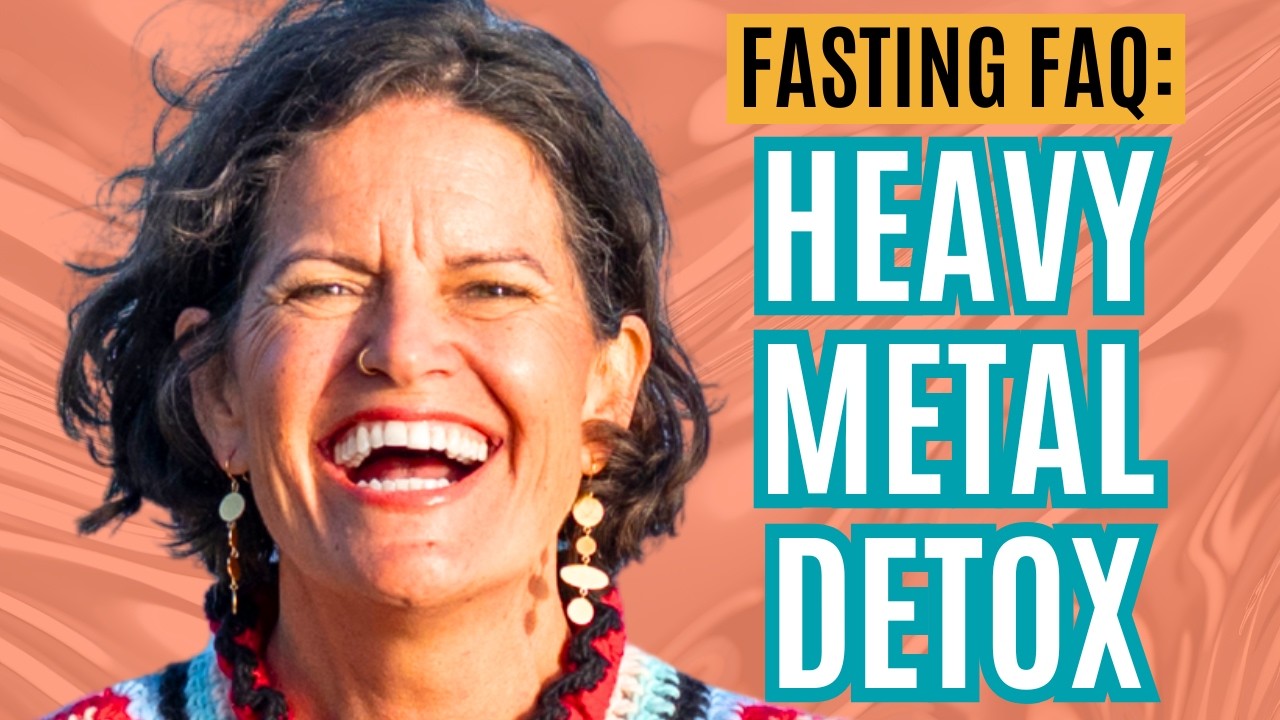
- Fasting as a Method to Eliminate Toxins
- The Science Behind Heavy Metal Accumulation
- Nutritional Considerations during Fasting
- The Role of Hydration in Detoxification
- Key Research Findings on Fasting and Heavy Metal Detox
Fasting has garnered attention as a potential strategy for detoxification, including the removal of heavy metals from the body. The process involves various practices, from intermittent fasting to extended periods without food. These methodologies have created a conversation around their effectiveness in purging toxins. However, it is crucial to understand how fasting facilitates this detox process, particularly for heavy metals like lead, mercury, and cadmium.
Heavy metals accumulate in the body through various channels, including dietary intake, environmental exposure, and industrial pollutants. Over time, these metals can pose significant health risks, including neurological impairments and cardiovascular diseases. Research indicates that heavy metals can disrupt cellular functions, leading to a cascade of metabolic issues. To address the risks associated with heavy metal exposure, some proponents advocate fasting as a supportive measure for detoxification.
The science behind how the body deals with toxins during fasting is complex. Fasting activates several physiological processes. One such process is autophagy, a cellular cleanup mechanism that removes damaged cells. This function can help eliminate metal-laden cells, thereby assisting in the detoxification process. Autophagy not only reinforces the body’s natural detox systems but also promotes overall health.
When considering nutrition during fasting, it is essential to focus on specific nutrients that can aid detoxification. Antioxidants, in particular, have been shown to mitigate the oxidative stress caused by heavy metals. Nutrients such as vitamins C and E, along with minerals like zinc and selenium, play critical roles. Incorporating these into the diet when breaking a fast can support the body’s ability to recover and expel toxins effectively.
Hydration is another pivotal element in the fasting and detoxification equation. During fasting, the body can become dehydrated, which limits detoxification pathways. Water facilitates the elimination of toxins via the kidneys. It is advisable to consume adequate fluids before and after fasting to promote optimal kidney function and support bodily detox processes. Some suggest incorporating electrolytes or herbal teas during the fasting period to enhance hydration without breaking the fast.
Scientific research on the interplay between fasting and heavy metal detox has revealed compelling findings. A study noted that intermittent fasting increased the excretion of certain heavy metals in animal models. Additionally, human studies suggest that fasting can lead to a reduction in blood lead levels when paired with specific nutritional interventions. However, further studies are needed to confirm these results and establish clear guidelines.
The potential of fasting to assist in heavy metal detoxification listens to the growing concerns surrounding toxic exposures in modern life. It serves as a call to understanding how our dietary choices influence our body’s ability to manage these toxins. Balancing fasting with targeted nutritional support may offer a pathway for those interested in reducing their toxic burden.
However, it is important to approach fasting with caution. Without appropriate guidance, fasting can present risks, especially for individuals with pre-existing health conditions. Medical supervision is often recommended to avoid negative health outcomes. A more informed approach to fasting emphasizes the importance of understanding one’s unique health context before embarking on a detox journey.
The relationship between fasting and detoxification is not entirely straightforward. Emotional and psychological factors also play roles in the detox process. The experience of fasting can trigger various emotional responses, from euphoria to anxiety, which may affect adherence to fasting protocols. Mindful practices can help mitigate stress and facilitate a more balanced approach to fasting and detoxification.
Given the complexities associated with heavy metal detoxification, community support can provide additional motivation and accountability. Engaging with others interested in similar health goals can foster an environment conducive to successful fasting experiences. Resources, whether they are support groups or informational platforms, can help individuals navigate their detox journey.
While the potential benefits of fasting in the context of heavy metal detox are becoming more recognized, it is crucial to remain grounded in realistic expectations. Fasting might not result in complete heavy metal elimination. It should be viewed as part of a multi-faceted approach that includes dietary changes, lifestyle modifications, and if necessary, medical interventions.
In summary, the intersection of fasting and heavy metal detoxification is a promising area of exploration. While more research is needed, the current evidence points to fasting as a beneficial practice for enhancing the body’s ability to eliminate heavy metals. Supporting this action with optimal nutrition and hydration can further amplify results. It is necessary to recognize the importance of individual health variables and the need for personalized approaches in this ongoing conversation around detoxification.
*****
Source Description
READY TO GO DEEPER? Join Reset Academy for guided fasting, hormone support, and real education you can apply to your life. Start here: https://bit.ly/3Iv1scy
OPEN ME 👇 FOR RESOURCES MENTIONED
Join the Reset Academy: https://bit.ly/3Iv1scy
Books: https://bit.ly/drmindybooks
Fast Like a Girl Certified Coaches: https://bit.ly/findaflagcoach
Dr. Mindy’s Favorites: https://bit.ly/drmindyfavorites
STAY CONNECTED WITH ME:
Facebook: @Dr. Mindy Pelz
Facebook Group: Resetter Collaborative
Instagram: @dr.mindypelz
Substack: @drmindypelz
Tiktok: @drmindypelz
THE RESETTER PODCAST:
Apple Podcast: Listen on Apple Podcasts
Spotify: Listen on Spotify
Affiliate Disclaimer: https://www.drmindypelz.com/disclaimers
***** Please note the following medical disclaimer: By viewing this video you understand that this video is for educational purposes only. It is not intended to substitute for professional medical advice and should not be relied on as health or personal advice. Always seek the guidance of your doctor with any questions you may have regarding your health or medical condition. You also understand and agree that the terms of our Privacy Policy and Terms of Service apply to your interaction with us.