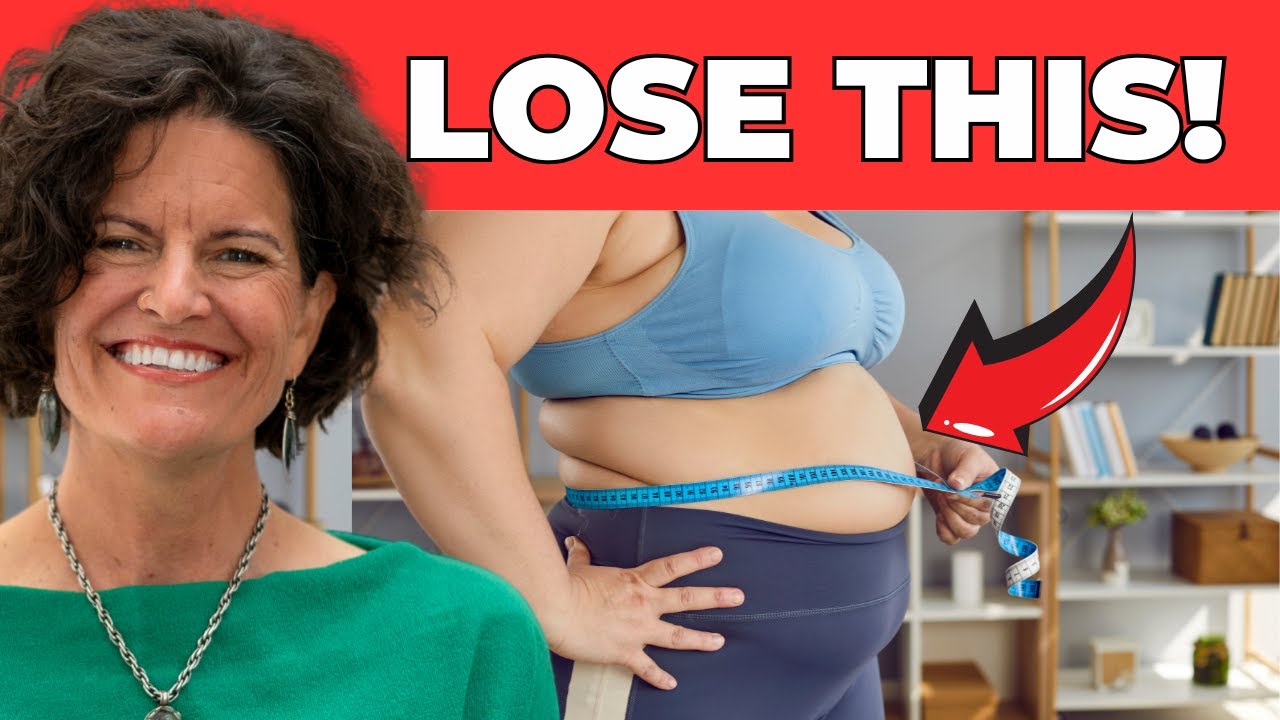
- Calorie counting may not effectively address belly fat.
- Metabolic health and insulin sensitivity are crucial for fat loss.
- The impact of stress and hormones on weight management.
- Implementing fasting and dietary changes for better results.
- Lifestyle modifications to boost metabolic health.
When struggling with stubborn belly fat, many turn to calorie counting. Yet, this approach may not offer the results it promises. Calorie counting focuses on the quantity rather than the quality of food intake, and this can be a significant oversight when targeting belly fat. Despite its widespread popularity, there are more effective methods to consider, especially ones that focus on metabolic health and insulin sensitivity.
Caloric intake, while important, doesn’t account for how different foods affect our hormones and metabolism. The body’s insulin response plays a crucial role in how fat is stored and utilized. Insulin resistance, often brought on by poor diet and lifestyle, can hinder fat loss efforts significantly. Foods high in refined sugars and carbohydrates spike insulin levels, promoting fat storage, particularly around the abdomen.
Instead of merely focusing on calories, paying attention to what kinds of foods are consumed and how they affect insulin can be transformative. Embracing a lower carbohydrate, higher healthy fat, and moderate protein diet can significantly improve insulin sensitivity, allowing the body to access stored fat for energy rather than continuously adding to fat reserves.
Stress is another often-overlooked factor that can influence belly fat. Chronic stress elevates cortisol, a hormone linked to fat accumulation around the belly. Addressing stress through practices like meditation, adequate sleep, and exercise can help balance hormone levels.
Incorporating intermittent fasting can also improve metabolic outcomes. Fasting has been shown to reduce insulin levels, increase insulin sensitivity, and promote fat oxidation. By giving the body a break from constant food intake, it can better manage glucose levels and reduce fat storage.
Additionally, lifestyle changes such as regular physical activity, maintaining a balanced diet of whole foods, and reducing processed food intake can have profound effects on belly fat. Regular movement enhances muscle mass, which can increase metabolic rate and support more effective fat burning.
Overall, focusing on improving metabolic health rather than simply counting calories can lead to more sustainable and effective fat loss, especially in the abdominal area. Understanding the interplay of hormones, diet, and lifestyle can empower individuals to make changes that result in healthier body composition and enhanced well-being.
*****
Source Description
Download the Metabolic Blockers: https://bit.ly/4dCTCbd
OPEN ME 👇 FOR RESOURCES MENTIONED
►Join the Reset Academy: https://bit.ly/3Iu9yzB
►Give Like a Girl: https://drmindypelz.com/glag
►Fast Like a Girl: https://hayhs.com/flag_pp_hc_az
►Fast Like a Girl Journal: https://bit.ly/441qiaV
►Order Eat Like a Girl: https://hayhs.com/elag_pp_hc_az
►The Menopause Reset: https://hayhs.com/mr_pp_pb_az
►Books: https://drmindypelz.com/books
►Fast Like a Girl Certified Coaches: https://drmindypelz.com/flag-certified-coaches
REFERENCES:
https://www.sciencedirect.com/science/article/pii/S0022316624000373
****
Let’s be friends!
Facebook: https://www.facebook.com/drmindypelz
Facebook Group: https://www.facebook.com/groups/resetters
Instagram: https://www.instagram.com/dr.mindypelz
Tiktok: https://www.tiktok.com/@drmindypelz
The Resetter Podcast:
Apple Podcast: https://podcasts.apple.com/us/podcast/the-resetter-podcast-with-dr-mindy-pelz/id1503897906
Spotify: https://open.spotify.com/show/6j6ML4pYocMLahMODUtYt5
Affiliate Disclaimer
*****
Please note the following medical disclaimer: By viewing this video you understand that this video is for educational purposes only. It is not intended to substitute for professional medical advice and should not be relied on as health or personal advice. Always seek the guidance of your doctor with any questions you may have regarding your health or medical condition. You also understand and agree that the terms of our Privacy Policy and Terms of Service apply to your interaction with us.