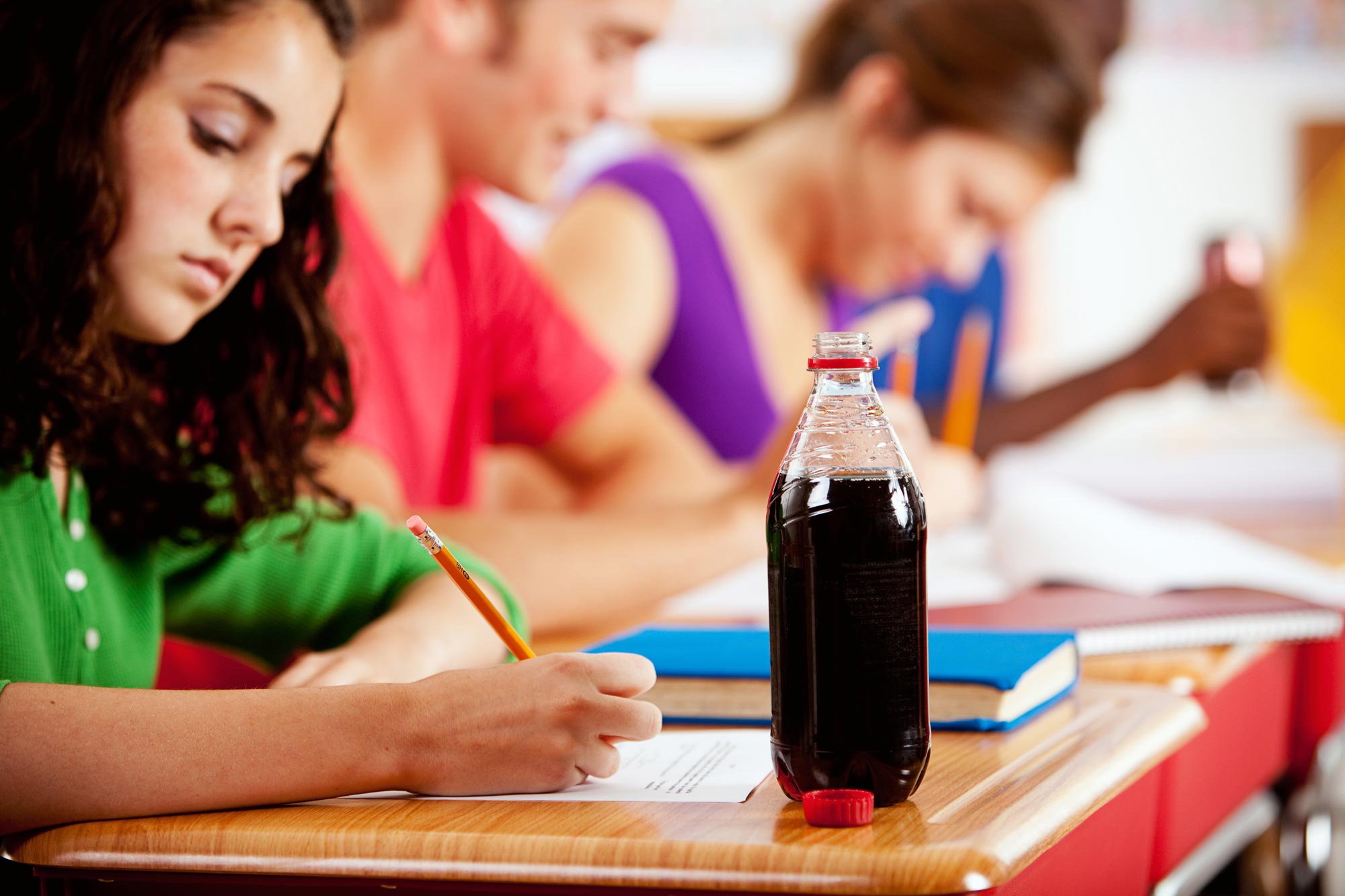
Summary of Could Sugary Drinks Be Fueling the Rise in Teen Anxiety?:
A recent study has found a correlation between high consumption of sugary drinks and anxiety symptoms in teenagers. Researchers from Bournemouth University, as part of an international team, reviewed multiple studies on diet and mental health, highlighting that while public health initiatives often focus on physical health issues from poor diet, the mental health effects deserve more attention. The review indicated that teens consuming larger amounts of sugary beverages—such as sodas and energy drinks—tend to report higher anxiety levels. However, the study does not establish a direct cause-and-effect relationship, leaving open the possibility of other influencing factors. The research underscores the need for lifestyle changes to combat the rising rates of anxiety disorders among adolescents.
*****
Summary Bullet Points
- A recent study indicates a link between sugary drink consumption and increased anxiety symptoms in teenagers.
- The research analyzed several studies and found a consistent correlation between high sugar beverage intake and anxiety in adolescents.
- Though the study identifies a concerning connection, it does not establish a direct cause-and-effect relationship.
- The increase in anxiety disorders among adolescents necessitates a focus on lifestyle habits that can be adjusted to mitigate this trend.
- More research is needed to explore the underlying mechanisms and other contributing factors related to diet and mental health.
Could Sugary Drinks Be Fueling the Rise in Teen Anxiety?
In today’s fast-paced world, teenagers have an intricate web of pressures — academic challenges, social media dynamics, and personal crises. Sadly, mental health concerns, particularly anxiety disorders, have surged among this demographic. Recent research from Bournemouth University posits a striking link between something seemingly innocuous — sugary drinks — and the escalating anxiety levels in adolescents. This raises a compelling question: are these sugary concoctions contributing to the mental health crisis our youth are facing? Let’s dive deeper into this fascinating intersection of diet and mental health.
Rising Tide of Anxiety in Adolescents
To understand the potential influence of sugary drinks on anxiety levels, we must first acknowledge the gravity of the situation at hand. According to estimates, one in five children and adolescents are grappling with a mental health disorder, with anxiety being the most frequently reported condition. These alarming statistics reflect not just a trend, but a call to action for understanding the factors that might be exacerbating these issues.
Anxiety can manifest in a myriad of ways, from nervousness and restlessness to more severe panic attacks. This complex mental state isn’t merely a passing phase; it’s a challenge that requires support, understanding, and, crucially, a nurturing environment. As we peel back the layers of adolescent anxiety, we see that diet plays a pivotal role in their emotional and psychological well-being.
Sweet Secrets: The Research Uncovered
The research compiled by a multi-national team, including Bournemouth University, systematically reviewed previous studies linking sugary drink consumption and mental health outcomes. The findings, published in the Journal of Human Nutrition and Dietetics, revealed a concerning correlation: teenagers who guzzled higher amounts of sugary beverages reported greater instances of anxiety symptoms.
So, what constitutes “sugary drinks”? The term encompasses a range of items often found in school cafeterias or convenience stores: sodas, energy drinks, sweetened juices, flavored coffees, and more. As sugary drinks have become staples in modern diets, understanding their broader implications is critical.
Dr. Chloe Casey, a key figure in this research, summarized the issue succinctly. While public health discussions often focus on the physical detriments of unhealthy diets — like obesity — the mental health implications are sorely underexplored. Reflecting on this, one has to wonder whether the very drinks many teens guzzle for a temporary sugar rush might actually be contributing to long-lasting mental health challenges.
A Cautionary Tale: What This Study Can and Cannot Prove
It’s essential to tread carefully when interpreting these findings. The relationship between sugary drink consumption and anxiety isn’t a straightforward cause-and-effect one. The evidence gathered from existing studies allows for a recognition of patterns but stops short of establishing direct causation.
Could it be that teens experiencing anxiety gravitate towards sugary drinks for comfort? Or are other shared factors — like family dynamics, sleep quality, and peer influences — playing a role in both increased sugary drink consumption and anxiety symptoms? The truth may lie in a tangled web of influences rather than a single culprit.
Dr. Casey emphasizes a crucial point: understanding lifestyle habits that may drive higher anxiety levels is vital. Whether or not sugary drinks are the direct cause of these disorders, their unhealthy connection to anxiety necessitates attention.
This calls for a dual approach: while researchers dig deeper into the correlations, parents, educators, and communities should focus on promoting healthier alternatives and creating supportive environments for teenagers.
Comprehending Sugar’s Impact: The Psychological Angle
Dietary choices do more than just fuel our bodies. They are intertwined with our emotional landscapes. The fructose and glucose in sugary drinks can lead to rapid spikes and then sharp declines in blood sugar levels, influencing mood swings and energy levels. Beyond the immediate physical reaction, the long-term effects of these dietary choices can alter brain chemistry, potentially leading to exacerbated feelings of anxiety or depression.
So let’s talk about the ‘what ifs.’ What if teens drastically reduced their consumption of sugary beverages? What might this mean for their mental well-being? Imagine a scenario where adolescents replaced sodas with hydrating herbal teas or infused waters, supporting both physical health and mental clarity. Small shifts could lead to significant changes in how they feel day-to-day.
Encouraging Healthier Choices Among Teens
The breakthrough in understanding the influence of sugary drinks on mental health comes with an opportunity for action. By fostering environments that promote healthier dietary choices, we can champion better lifestyles for teens. This isn’t just about restriction; it’s about equipping them with the knowledge to make informed decisions.
-
Engaging Parents and Educators: Schools and families should work together to educate adolescents on the impacts of diet on their mental health. Workshops and informational campaigns can inspire change from within.
-
Creating Supportive Spaces: Providing healthier options in school cafeterias and community centers can make a significant impact. If adolescents have access to delicious, low-sugar beverages, they’re more likely to make healthier choices.
-
Encouraging Mindfulness: Encouraging teenagers to tap into mindfulness techniques may lead them to recognize their cravings and emotional responses, allowing for healthier coping mechanisms.
-
Promoting Physical Activity: Engaging in regular physical activity can naturally boost mood and combat anxiety. When combined with a balanced diet, it can provide a tangible strategy for improving mental health.
- Fostering Open Conversations: Creating non-judgmental spaces where teens can express their feelings about stress, anxiety, and the pressures they encounter is crucial. When they feel heard, they’re more likely to seek out healthy alternatives.
A Call to Action: The Future of Teen Mental Health
We stand at a crossroads, presenting both a challenge and an opportunity. As adolescence merges with the complexities of modern life, the onus is on schools, families, and communities to come together in creating a supportive framework.
The link between sugary drinks and rising anxiety may not yield immediate solutions, but the awareness it brings can fuel a transformation. Let’s make it a collective mission to empower teens, steering them toward not just healthier diets but also healthier minds.
As the dialogue around mental health continues, we can make principles of balance and moderation central to our approach.
In Conclusion: Shaping a Healthier Tomorrow
The findings outlining the potential connection between sugary drinks and increased anxiety among teens serve as a wake-up call. Rather than dismissing the occasional soda or sweetened beverage, it’s time we engage in deeper conversations about the overall impact of our choices.
The future depends on healthier, informed decisions that can guide our youth toward joy and resilience. As we embrace this challenge, let’s remember: small changes can spark profound shifts. Together, we can sculpt a reality where teens thrive amid the challenges of modern life — one sip at a time.