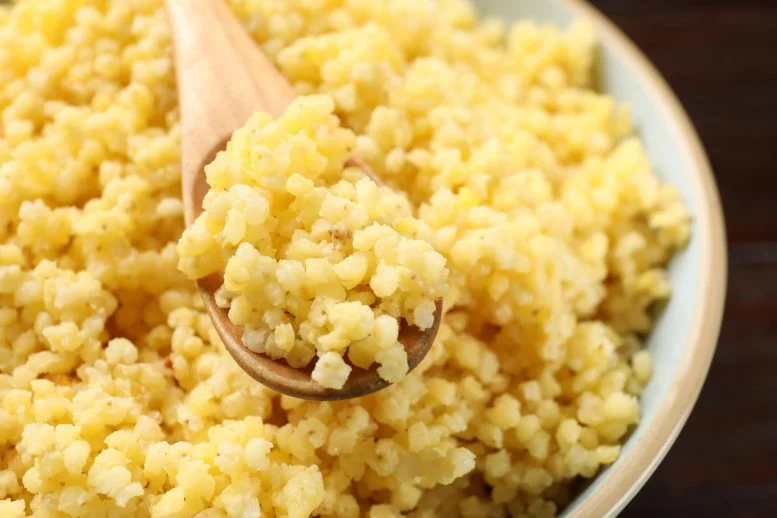
Summary of This Ancient Grain Could Help Transform Children’s Gut Health:
A study conducted in Mumbai’s urban slums investigated the effects of iron- and zinc-biofortified pearl millet on toddlers’ nutrition and gut microbiomes. This specially bred millet contained nearly three times the iron and higher zinc levels compared to regular millet. Over nine months, 223 toddlers consumed meals made with this fortified grain, showing no adverse effects typically associated with high iron intake. Instead, significant positive changes in their gut microbiomes were observed, enhancing pathways that resist pathogens and promoting intestinal health.
The research suggests biofortified crops could serve as a sustainable alternative to traditional iron supplements, aligning with modern nutritional guidelines favoring whole foods. The authors propose further studies with diverse populations before widespread adoption but highlight the potential benefits of biofortification in addressing global iron deficiency issues, particularly for low- and middle-income countries.
*****
Summary Bullet Points:
- Biofortification: Specially bred pearl millet with higher iron and zinc could improve toddler nutrition.
- Gut Health: Changes in the gut microbiome linked to iron-rich millet may help enhance children’s overall health.
- Holistic Approach: This method moves beyond traditional supplementation, using food as a form of nutrition intervention.
- Research Findings: A nine-month study showed significant positive changes in gut health without adverse effects.
- Global Implications: Biofortified crops offer a potential solution to iron deficiency issues worldwide.
Transforming Children’s Gut Health with Ancient Grains: The Power of Pearl Millet
In a world where nutritional deficiencies are a pressing concern, it’s fascinating to see a revival of ancient grains like pearl millet. This grain, long underestimated in the modern diet, is now emerging as a key player in supporting children’s gut health, particularly in areas plagued by iron deficiency. Let’s take a closer look at how this age-old grain could serve as a cornerstone for healthier futures—especially for our little ones.
The Need for Nutritional Change
Around the globe, millions of children struggle with iron deficiency, leading to consequential health issues like anemia. Did you know that specifically, about 25% of the world’s population is affected? It’s a staggering statistic. In developing regions, particularly urban slums like those in Mumbai, undernourishment and low iron levels are sadly commonplace. This is where the unique properties of pearl millet come into play.
Pearl millet is not just another grain; it’s a nutritional powerhouse loaded with iron and zinc, two essential minerals for healthy growth and development. The discovery that certain biofortified varieties can contain almost three times more iron than conventional millet is remarkable. But how does this translate to improved gut health for children?
Decoding the Gut Microbiome
Gut health is an intricate tapestry of microbes that play a vital role in digestion, immune response, and overall health. When children consume foods rich in nutrients, like the specially bred pearl millet, their gut microbiomes can flourish. In a groundbreaking study, researchers tracked how children’s gut bacteria responded to a nine-month diet enriched with biofortified millet.
Imagine the environment of a thriving ecosystem, where beneficial microbes work harmoniously to fend off pathogens and maintain health. This is precisely what was observed in children consuming iron-rich millet—significant shifts were documented in their gut microbiota, favoring beneficial species. This is more than just an academic finding; it’s an indication of how food can wield transformative power.
A Comprehensive Approach to Nutrition
Traditionally, addressing iron deficiency often involved supplements. However, these can have mixed results, with potential side effects such as constipation and upset stomach. The beauty of the biofortified millet initiative is its focus on dietary solutions rather than supplements, aligning with an emerging paradigm shift towards whole and minimally processed foods.
To implement this, researchers partnered with local growers to create nutrient-rich millet varieties. They didn’t just dive into a lab; they collaborated with communities, kitchens, and feeding centers to ensure that the food prepared was not only nutritious but also tasty and culturally appropriate. The goal was not merely to provide iron but to create enjoyable meals, enhancing the likelihood that children would consume them.
Groundbreaking Research Insights
During this study, the researchers didn’t just stop at tracking which bacteria were present in the children’s guts. They employed sophisticated sequencing techniques to garner insights into the genetic activity of these microbes. By doing so, they began to unveil a timeline of microbial development while highlighting changes in metabolic pathways vital for resisting pathogens.
The eating habits of these children showed empirical benefits. Enhanced microbial diversity was observed, suggesting that their guts were becoming more adaptable and adept at processing various foods. Imagine a garden that blooms more vibrantly with each passing season, resilient against the elements—this was akin to what was happening within the children’s digestive systems.
An Expanding Vision for Nutrition Worldwide
So, what does this mean on a larger scale? The positive findings from the study point toward biofortification as a viable alternative to traditional supplements. This strategy is not just limited to India or regions suffering from acute nutritional deficiencies; it holds promise globally, including developed nations like the United States, where iron deficiency is still relevant.
Biofortified crops can be cultivated and consumed as regular staple foods, seamlessly integrated into the daily diets of families without complicated distributor systems. This ease of accessibility could place power back into the hands of communities, encouraging self-reliant practices.
The Future of Mindful Eating
As we stand at this exciting juncture in nutritional science, the focus on minimally processed foods resonates loudly with modern dietary guidelines. The idea is shifting away from artificial supplementation to embracing naturally nutrient-dense foods. It’s a call to return to our roots, a reminder that nature provides us with rich, nourishing options.
In today’s whirlwind of ultra-processed foods and fast-paced lifestyles, it’s crucial to remind ourselves—and the next generation—of the goodness that lies in staples like millet. The push toward biofortification exemplifies an essential shift, suggesting that the solutions to our health challenges may lie within our culinary heritage.
Motivating Change Through Awareness
As we unravel the extraordinary potential of ancient grains like pearl millet, it becomes imperative to foster awareness and curiosity within our communities. The opportunity to educate parents about nutrient-rich foods is just one step. Empowering them to make informed choices for their children can catalyze significant societal change.
Imagine if schools integrated nutritional education, emphasizing the role of wholesome grains and their benefits in diet. Such initiatives could empower students, making them more conscious about food choices, and ultimately more engaged in their health.
Closing Thoughts
The intersection of ancient grains and modern nutritional science holds immense promise. The journey toward better gut health for children—and, by extension, healthier communities—begins with our understanding and appreciation of foods that nourish us.
As we reconsider our food choices and inspire the next generation to appreciate the gift of nutritious grains, we have a chance to combat nutritional deficiencies in a sustainable, enjoyable manner. This vibrant approach not only improves health outcomes but also fosters a sense of connection to our culinary past and cultural cuisine.
In a world filled with challenges, let’s choose to celebrate this remarkable grain and its contribution to a healthier future—one bowl of millet porridge at a time.