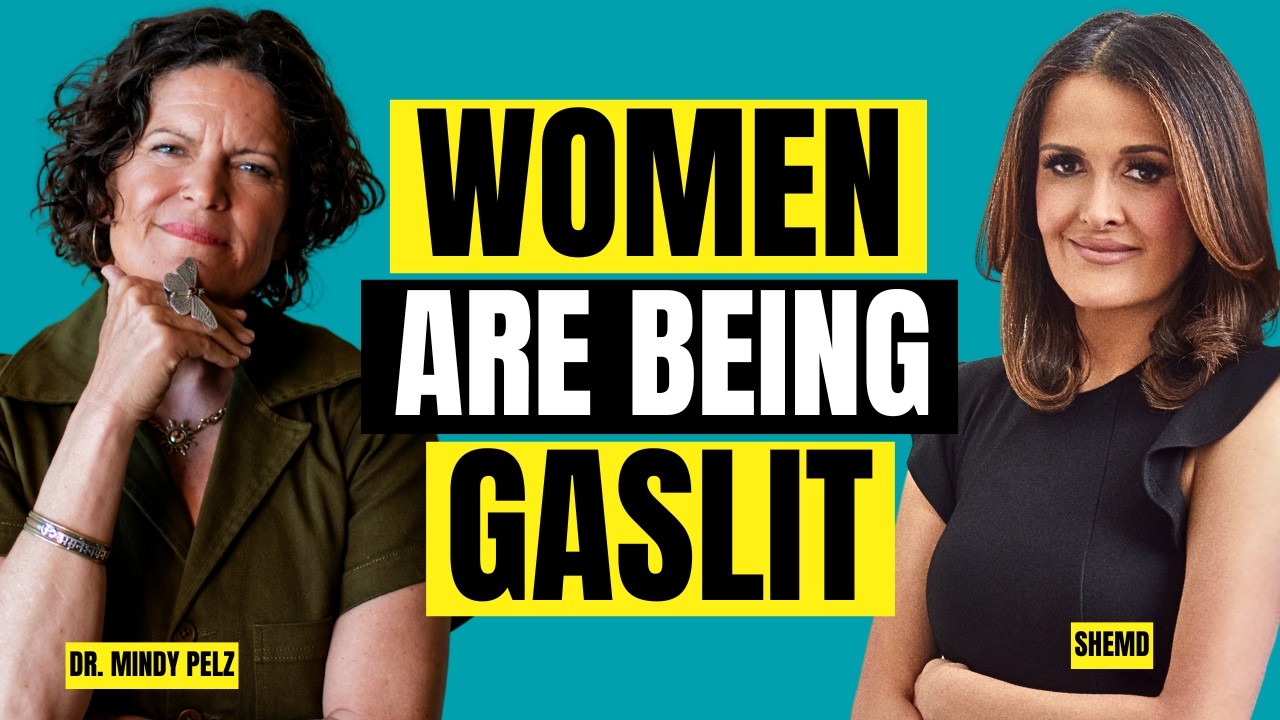
- Medical gaslighting as a systemic issue in women’s healthcare
- The impact of misdiagnosis and inadequate treatment on women’s health
- Understanding the role of bias in medical settings
- The place of SheMD in addressing these issues
- Suggestions for improvement in women’s health care practices
Medical gaslighting, particularly within women’s healthcare, is an alarming phenomenon that is gaining recognition. It encompasses instances in which healthcare professionals dismiss or misinterpret a patient’s symptoms, leading to misdiagnosis and inadequate treatment. This issue affects millions of women, jeopardizing their well-being and quality of life. The medical community often subscribes to a "standard of care" that may not effectively cater to the unique needs of women, thereby failing them in their moments of vulnerability.
The effects of medical gaslighting are compounded by a lack of understanding and acknowledgment of how metabolic diseases manifest differently in women. Symptoms of conditions such as diabetes or thyroid disorders may be more subtle in women compared to men, potentially leading to underdiagnosis. Women frequently report being told that their symptoms are "in their head" or simply attributed to stress, which can leave them feeling disempowered and frustrated. This dismissal not only increases the risk of long-term health complications but also exacerbates the mental health struggles that many women face. Furthermore, chronic conditions that disproportionately affect women, such as autoimmune diseases, can be misrepresented or overlooked due to preconceived notions held by medical professionals.
Bias in healthcare settings plays a significant role in this troubling issue. Studies indicate that women, particularly women of color, experience higher rates of misdiagnosis and are less likely to receive appropriate treatment for their conditions. Cultural assumptions and stereotypes about women’s pain tolerance can influence how healthcare providers interpret their symptoms. Evaluation of pain in women is often downplayed; this can lead to a cycle of inadequate care that prolongs suffering. This systemic bias must be addressed at both the individual and institutional levels to create a more equitable healthcare environment.
SheMD serves as a critical resource in illuminating these issues and advocating for better practices in the health sector. Founded by a group of women physician-digital influencers, SheMD aims to empower women in both their health journeys and the healthcare system. With a focus on education and advocacy, the organization provides women with the knowledge they need to advocate for themselves. Their resources encompass topics ranging from reproductive health to chronic disease management, all tailored to improve health outcomes for women.
One of the key challenges surrounding medical gaslighting relates to the prevailing "standard of care." Traditional medical protocols often rely on evidence gathered primarily from studies that do not adequately represent women. This oversight can result in treatments that are not effectively validated for female patients. Furthermore, guidelines and recommendations may not take into account the multifaceted nature of women’s health, encompassing hormonal cycles, metabolic variations, and psychosocial factors. Updating these standards to be more inclusive and representative is vital in addressing the gaps identified by SheMD and other advocates.
Practical solutions can mitigate the effects of medical gaslighting and improve women’s healthcare. First, raising awareness among healthcare professionals regarding the existence and implications of bias in diagnosis can promote more considerate patient evaluations. Education programs that highlight the unique ways in which diseases can present in women are essential. Continuing medical education should emphasize the diversity in symptomatology and the importance of listening to patients’ concerns rather than assuming a one-size-fits-all approach.
Open communication between patients and healthcare providers is another crucial avenue for improvement. Women should feel empowered to voice their concerns, ask questions, and even seek second opinions if they feel their symptoms are not being taken seriously. Healthcare providers must create an environment of trust and respect, encouraging honest dialogue around symptom presentation and patient experiences.
Additionally, utilizing technology can enhance how women’s health issues are identified and treated. Telehealth and digital health platforms have gained prominence in recent years, and these technologies can provide women with greater access to specialists who may better understand their specific needs. SheMD utilizes social media and other digital platforms not only to educate but also to create supportive networks where women can share their experiences and validate each other’s health journeys.
In the ongoing conversation about women’s health, prioritizing mental health is essential. Medical gaslighting can lead to feelings of isolation and self-doubt, which compound mental health struggles. Addressing the psychological impacts of inadequate care, anxiety surrounding health issues, and the stigma around speaking out about one’s symptoms can create a more holistic approach to treatment. Psychosocial support should be integrated within medical settings to aid women in navigating their healthcare experiences effectively.
Furthermore, integrating a multidisciplinary approach to care can enhance health outcomes. Collaboration across various fields—physicians, nutritionists, mental health counselors—can offer a more comprehensive understanding of women’s health issues. For example, patients with insulin sensitivity disorders may experience a range of symptoms that can often be dismissed unless a more thorough investigation incorporating metabolic health, psychological well-being, and lifestyle factors is conducted.
Employers and insurance companies also play a role in addressing these healthcare inequities. Policies promoting paid medical leave for mental and physical health can encourage women to seek treatment without the added pressure of workplace repercussions. Women should not have to choose between their health and job security; enabling them to prioritize their well-being can lead to more effective treatment and long-term health benefits.
The urgency of reform in women’s healthcare cannot be overstated, particularly given rising rates of chronic diseases disproportionately affecting women, like heart disease and autoimmune conditions. Identifying metabolic diseases early can lead to improved prognoses; however, this requires healthcare professionals to be vigilant and comprehensive in their evaluations. Studying the metabolic health of women must become a priority to provide targeted therapies, especially in light of how insulin sensitivity can change over a woman’s lifespan.
In the face of medical gaslighting, the narratives of women’s health are slowly shifting. Organizations like SheMD are not only breaking the silence but also fostering a supportive community that encourages women to demand better care. Through education, advocacy, and empowerment, they are working towards a paradigm shift in how women’s health is approached within the healthcare system.
Efforts must continue to engage healthcare practitioners, educators, and policymakers in a conversation about these pressing issues. The impact of medical gaslighting on women is profound and far-reaching. By acknowledging these challenges and striving to create systemic change, we can pave the way for a more compassionate and effective healthcare experience for all women.
Women deserve to feel heard and validated in their healthcare journeys. The objective of improving the standard of care in women’s health should be a collective goal, aligning with a broader commitment to equity and social responsibility in medicine. Every woman has the right to receive comprehensive and personalized care that addresses her unique medical needs. Through collective awareness and activism, the hope remains that medical gaslighting will become a term of the past, allowing for a future where women’s health is prioritized and respected.
*****
Source Description
Download my FREE Nervous System Reset Guide: https://resetacademy.drmindypelz.com/nervous-system-reset?utm_source=youtube&utm_medium=social&utm_campaign=nervous_system_reset
PCOS has a new name, and it changes the way millions of women should think about their health
In this episode of Live Like a Girl, Dr. Mindy is joined by Dr. Thais Aliabadi and Mary Alice Haney from the She MD podcast to discuss why PCOS is now called PMOS, Polyendocrine Metabolic Ovarian Syndrome, and what that means for women living with insulin resistance, infertility, irregular periods, and hormonal imbalances.
Together they explore why so many women go undiagnosed, how metabolic health influences fertility and hormone balance, the role of environmental toxins, and the lifestyle strategies that support long-term health.
If you’ve ever struggled with irregular cycles, unexplained weight gain, acne, infertility, or simply felt dismissed by the healthcare system, this conversation offers both validation and practical guidance.
_
RESOURCES MENTIONED
Ovii PMOS/PCOS Quiz: https://ovii.com/pages/ovii-metabolic-quiz
Tyrer-Cuzick Breast Cancer Risk Calculator: https://www.shemdpodcast.com/risk-calculator
_
MORE ON DR. THAIS ALIABADI & MARY HANEY
Instagram: https://www.instagram.com/shemdpodcast/
Instagram: https://www.instagram.com/drthaisaliabadi/
Instagram: https://www.instagram.com/haneyofficial/
Instagram: https://www.instagram.com/oviihealth
Web: https://www.shemdpodcast.com
Web: https://draliabadi.com
Web: https://www.ovii.com
For more resources related to today’s episode, visit the podcast episode page: https://www.drmindypelz.com/ep353/
Listen to The Live Like a Girl Podcast 🎧 New episodes drop every Monday & Wednesday!
Spotify: https://open.spotify.com/show/6j6ML4pYocMLahMODUtYt5
Apple Podcasts: https://podcasts.apple.com/us/podcast/live-like-a-girl-with-dr-mindy-pelz/id1503897906
_
STAY CONNECTED WITH ME:
Substack: / drmindypelz
Facebook: / drmindypelz
Facebook Group: / resetters
Substack: / drmindypelz
Instagram: / dr.mindypelz
Tiktok: / drmindypelz
_
CREDITS:
Photos: Wendy Yalom Photography
Editor: Patrick Hogan
_
AFFILIATE DISCLAIMER
https://www.drmindypelz.com/disclaimers
***** Please note the following medical disclaimer: By viewing this video you understand that this video is for educational purposes only. It is not intended to substitute for professional medical advice and should not be relied on as health or personal advice. Always seek the guidance of your doctor with any questions you may have regarding your health or medical condition. You also understand and agree that the terms of our Privacy Policy and Terms of Service apply to your interaction with us.
