Summary of Scientists Discover Ultrasound May Stop Arthritis Before It Starts:
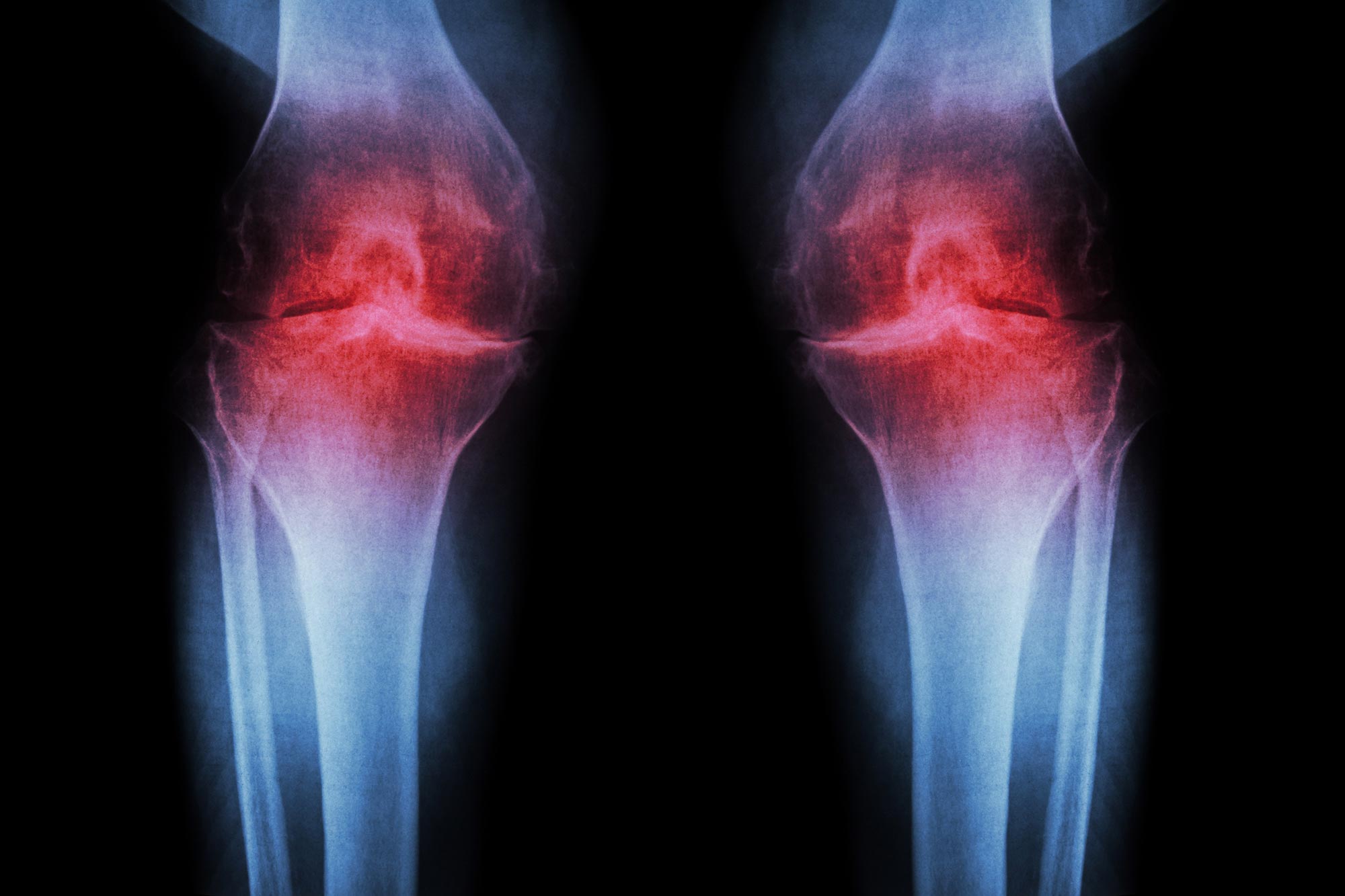
Researchers at The University of Alabama in Huntsville have found that continuous low-intensity ultrasound may help reprogram immune cells from a state of chronic inflammation to one that supports tissue repair. This approach could provide a non-invasive treatment for joint injuries and post-traumatic osteoarthritis, which often develops after joint damage due to persistent inflammation.
The study, published in Scientific Reports, focused on macrophages—immune cells critical for both inflammation and healing. The researchers demonstrated that ultrasound treatment could encourage a shift from inflammatory (M1) macrophages to a healing (M2-like) state, potentially reducing inflammation and promoting recovery.
Using innovative techniques, the team analyzed gene activity related to immune responses and found that ultrasound lowered inflammation markers while increasing reparative ones. Although still in the laboratory stage, this research suggests a promising path forward for non-drug interventions in managing joint injuries and osteoarthritis progression. Further studies will involve testing these findings in animal models.
*****
Summary Bullet Points
-
Innovative Research: Scientists at the University of Alabama in Huntsville explore how continuous low-intensity ultrasound may shift immune cell behavior from sustaining inflammation to promoting tissue repair.
-
Factors in Osteoarthritis: The study highlights the lingering effects of joint injuries, showing how chronic inflammation can lead to post-traumatic osteoarthritis, which impacts millions.
-
Importance of Macrophages: The research centers on macrophages, immune cells that play dual roles in inflammation and healing, and how ultrasound can influence their behavior.
-
Computational Biology Approach: Advanced methods like transcriptomics and differential clustering are utilized to analyze gene expression changes in macrophages exposed to ultrasound.
- Future Potential: While in its early stages, this work suggests a promising non-invasive, drug-free approach to managing joint injuries and potentially preventing osteoarthritis progression.
How Ultrasound Might Change the Fate of Your Joints: A Fascinating New Study
An innovative study emerging from the University of Alabama in Huntsville reveals ground-breaking insights into the healing process of our joints. The latest research indicates that continuous low-intensity ultrasound can play a pivotal role in influencing our immune system, particularly in its response to joint injuries, and may help stop arthritis before it even starts. As we dive into this compelling topic, let’s explore the biology behind it, the implications for joint injuries, and why this should matter to you.
The Joint Journey: From Injury to Osteoarthritis
Every year, millions of individuals experience joint injuries, whether through sports, accidents, or everyday wear and tear. An unfortunate byproduct of these injuries can be a biological chain reaction that often overshadows the original damage. Imagine an endless cycle: inflammation appears to clear out damaged tissue but can easily devolve into a prolonged inflammatory state if healing doesn’t occur. This inflammatory phase can wreak havoc, gradually eroding cartilage and predisposing individuals to conditions like post-traumatic osteoarthritis—a significant health concern for many.
In fact, research suggests that one in every eight osteoarthritis cases arises from such injuries that didn’t transition effectively from inflammation to repair. But what if there existed a gentle, non-invasive intervention that could alter this trajectory? Enter—continuous low-intensity ultrasound.
The Role of Immune Cells: Navigating the Healing Process
To fully grasp the potential of ultrasound in joint healing, it’s crucial to understand the role of immune cells, specifically macrophages. These cells act as the body’s first responders—mobilizing to assist in healing wounds or fighting infections. They can typically be categorized into two types: the defender macrophages (M1) that promote inflammation and serve to neutralize threats, and the healer macrophages (M2) that aid in tissue repair.
Dr. Anuradha Subramanian, who led the research study, highlights that while M1 macrophages are essential in clearing damaged tissue, an overabundance can become detrimental. Picture a well-meaning defender that overstays their welcome, causing more harm than good. The key is to manage this balance, steering macrophages toward the M2, repair-oriented state.
But how can we facilitate this delicate transition? The team at UAH sought to understand whether continuous low-intensity ultrasound could capably nudge these immune cells from an inflammatory state to one that promotes healing.
Diving into the Methodology: A Multidisciplinary Approach
What makes this research particularly intriguing is its multidisciplinary framework. The study combined efforts from various fields such as engineering, immunology, mathematics, and computational biology. Dr. Satyaki Roy, a contributor to the research, employed advanced computational techniques to analyze the activity of genes when exposed to ultrasound, an approach termed “transcriptomics.”
In lab tests, the researchers aimed to replicate the natural environment of an injured joint, opting for fibronectin fragments—molecules that emerge during tissue breakdown. This approach provided a closer approximation of how an injured joint behaves, as opposed to relying on established lab techniques that often don’t capture the complexity of real-world scenarios.
By utilizing a method known as differential clustering, they didn’t just catalog individual genes but assessed how groups of genes interacted and changed their coordinated behavior in response to ultrasound stimulation. This granular analysis uncovered intriguing results: ultrasound exposure led to a decrease in inflammatory markers and an increase in those associated with the more reparative M2 macrophage state.
Shaping a New Paradigm: Implications for Treatment
The implications of these findings are monumental. Currently, treatments for joint injuries largely depend on drugs and invasive procedures that come with risks and complications. However, the advent of continuous low-intensity ultrasound suggests a novel avenue—non-invasive and devoid of pharmaceuticals—that could modulate immune activity and promote healing.
This isn’t mere conjecture; the research is paving the way for future applications in clinical settings. Dr. Subramanian and her team envision this technology integrated with future therapies aimed at slowing the progression of osteoarthritis and enhancing post-injury recovery. The notion that a sound wave could redirect our immune system toward healing is not just poetic; it’s remarkably tangible.
Future Directions: Looking Ahead
While the research showcases considerable promise, it’s important to note that it remains in the laboratory stage. The next critical step involves validating these findings in animal models representing early post-traumatic osteoarthritis. Researchers need to explore how long the beneficial effects of ultrasound modulation last and whether this intervention sustainably enhances tissue repair in real joint injury scenarios.
Imagine a world where, after sustaining a joint injury, instead of slipping into a cycle of chronic pain and inflammation, you could undergo a simple, non-invasive ultrasound treatment that not only alleviates discomfort but actively promotes repair. This vision is tantalizingly close to becoming a reality.
The Broader Impact: Why This Matters
You might wonder—why should I care about this groundbreaking research? The implications extend far beyond the laboratory, touching each of us whether we’re athletes, weekend warriors, or simply navigating the challenges of aging. Joint injuries can significantly impact quality of life, leading to pain, reduced mobility, and long-term conditions like arthritis that could derail everyday activities.
The narrative here isn’t merely about science; it’s a motivating reminder of our capability to innovate and explore our health. The synergy of advanced technology and biology, encapsulated in a harmless ultrasound wave, serves as a potent metaphor: we are not solely defined by the challenges we face, but by our relentless pursuit of solutions. Just as researchers are reshaping healing processes, we too possess the power to rethink our struggles.
Inspiration from Science: A Call to Action
In closing, this exciting research is not just a beacon of hope for those suffering from joint injuries; it’s an empowering invitation for all of us to foster a mindset of resilience and exploration. As advancements like these unfold, they serve as a testament to the human spirit and ingenuity.
So, as you reflect on your wellness journey, consider this: just as scientists work tirelessly to harness the healing potential of ultrasound, how can you tap into your unique strengths to promote your own healing—be it physically, emotionally, or mentally? Every day offers a new opportunity to pivot, reframe, and heal.
Let’s stay curious, inspired, and motivated to seek out pathways to health—whether through groundbreaking science or the determination to live our lives fully. The journey toward healing and health, much like the world of science, is ever-evolving and filled with potential.
For now, keep an eye on this burgeoning research—it may just redefine the way we approach joint injuries and osteoarthritis, rendering them relics of a past paradigm.
As we move forward, remember, the future is filled with promises, as long as we’re willing to embrace the unexpected and allow ourselves the chance to heal—and thrive.