- Understanding Autophagy and Its Benefits for Health
- The Role of Specific Foods in Enhancing Autophagy
- How Fasting Affects Fat Cell Reduction
- Scientifically Supported Strategies to Double Autophagy
- Implementation Tips for Best Results Before Fasting
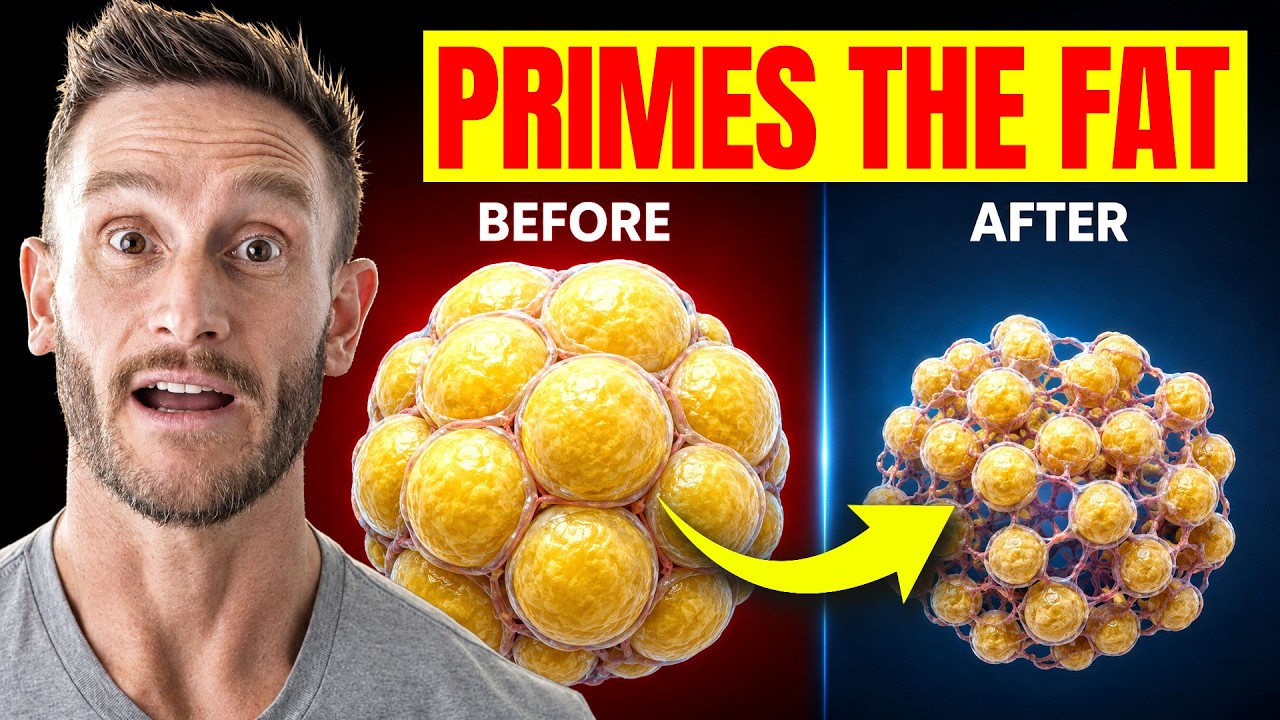
The benefits of autophagy, a natural cellular process, have become widely recognized in the context of health and longevity. This mechanism allows cells to remove damaged components and regenerate, leading to improved cellular function. Autophagy is crucial for maintaining metabolic health, improving insulin sensitivity, and fighting diseases related to aging. By enhancing this process, individuals can invoke beneficial changes, including the potential reduction of fat cells by up to 50%. Understanding the intricacies of how to optimize autophagy can be key to effective dietary strategies related to fasting.
At the heart of boosting autophagy lies the role of specific nutrients and foods. Certain compounds activate cellular pathways that trigger autophagic processes. Foods rich in polyphenols, resveratrol, and omega-3 fatty acids stand out for their potential to promote the way cells recycle components. Incorporating these foods before fasting can create an ideal environment for autophagy, setting the stage for maximized benefits during fasting periods.
Fasting itself influences fat cell dynamics in profound ways. During fasting, the body enters a catabolic state, breaking down fat reserves for energy. Research indicates that fat cell size can shrink dramatically as stored fat is utilized. This fat cell reduction, often reported to reach up to 50%, is a desirable outcome for many aiming to improve metabolic health. Moreover, understanding how to effectively combine nutrient timing with fasting can significantly amplify positive results.
To achieve optimal autophagy and fat cell reduction, certain scientifically supported strategies should be prioritized. Engaging in intermittent fasting paired with specific foods can greatly enhance the effectiveness of the fasting period. Techniques like time-restricted eating or alternate-day fasting may show even greater benefits for those seeking to tackle metabolic issues or obesity. Timing food intake strategically before fasting can maximize the autophagic process, resulting in a more significant reduction in fat cells.
Implementing practical tips before fasting is key to realizing these goals. Consuming meals high in antioxidants and low in simple carbohydrates can help minimize insulin spikes, creating an optimal state for cellular repair and rejuvenation. Foods such as leafy greens, berries, fatty fish, and nuts are excellent choices. Simple meal structures that focus on nutrient density can pave the way for an effective fasting experience, enhancing both autophagy and fat blunting.
Expanding knowledge about how to manipulate diet for improved health outcomes is valuable for anyone serious about achieving better metabolic wellness. A comprehensive understanding of these dynamics equips individuals with the tools needed to make informed dietary choices. The intersection of food, fasting, and cellular health holds substantial implications for modern lifestyles influenced by convenience and rapid-paced living.
Understanding Autophagy and Its Benefits for Health
Autophagy is a process that occurs within cells, where components are degraded and recycled to maintain cellular health. This quality-control mechanism prevents the accumulation of damaged proteins and cellular material, essentially providing a cleanup service for the body. Its benefits extend beyond cellular maintenance; autophagy plays a critical role in reducing inflammation, preventing cancer, and supporting overall longevity.
Research has demonstrated that enhanced autophagy correlates with improved metabolic functions and insulin sensitivity. Insulin resistance, often a precursor to various metabolic diseases, can see substantial improvement through regular activation of autophagy, promoting better glucose control and fat metabolism. Additionally, this process acts as a protective shield during times of stress, enhancing the body’s ability to withstand challenges posed by environmental toxins, pathogens, and even aging.
Targeting autophagy becomes especially important in today’s context, where lifestyle choices can tilt the balance toward metabolic dysfunction. The modern diet, often high in processed foods and sugars, can obstruct the natural autophagic processes. As such, implementing dietary strategies that activate autophagy can foster healthier body composition and reduce the risks associated with chronic diseases.
The Role of Specific Foods in Enhancing Autophagy
Specific foods can play a pivotal role in enhancing autophagy before fasting. Certain nutrients induce the expression of autophagy-related genes and pathways. For instance, foods rich in polyphenols, like berries, green tea, and dark chocolate, contribute significantly to activating cellular signaling pathways that promote autophagy. Polyphenols not only have antioxidant properties, but they also influence metabolism favorably.
Another critical player in this arena is resveratrol, a compound found in red wine, grapes, and some berries. Resveratrol has attracted considerable attention due to its ability to activate sirtuins, a family of proteins linked to longevity and metabolic regulation. These proteins are essential for initiating autophagy and enhancing mitochondrial function, further supporting the recycling efforts of cellular processes.
Omega-3 fatty acids also deserve acknowledgment for their role in facilitating autophagic processes. Commonly found in fatty fish such as salmon, mackerel, and sardines, omega-3s have been shown to support metabolism at a cellular level while exerting anti-inflammatory effects. This can lead to an overall improved energy balance, which is conducive to fat reduction when combined with fasting regimens.
Mushrooms, especially varieties like shiitake and maitake, are another group of foods that stimulate autophagy. They are rich in polysaccharides and other compounds that promote immune function and overall cellular health. Adding mushrooms to pre-fasting meals can bolster the effects of autophagy activation significantly.
How Fasting Affects Fat Cell Reduction
Fasting acts as a powerful catalyst in reducing fat cells. When the body is in a fasted state, it begins to use stored fat as a source of energy, systematically breaking it down through various metabolic pathways. This shift from glucose metabolism to fat metabolism can result in a reduction in fat cell size, effectively leading to a decrease of up to 50% in fat storage for many individuals engaged in intermittent fasting.
The physiological mechanisms behind this reduction are intricately linked to insulin and glucagon levels. Fasting reduces insulin levels—the hormone responsible for storing fat—while increasing glucagon, which aids in fat breakdown. Reduced insulin sensitivity can trigger lipolysis, the process by which fat is mobilized for use as energy. During this phase, metabolic processes are activated that lead to effective fat loss.
Ketogenesis, the process of creating ketone bodies from fatty acids, also comes into play during prolonged fasting. Ketones provide an alternative energy source for the brain and tissues, further driving the utilization of fat. This paves the way for enhanced energy expenditure, which can dramatically impact body composition over time.
Combining fasting with exercise can amplify these effects even more. Engaging in physical activity during fasting can increase metabolic rate and further stimulate fat oxidation. As a result, fasting becomes not only a means of weight management but also a transformative approach to promote a healthier metabolic profile.
Scientifically Supported Strategies to Double Autophagy
Maximizing autophagy and fat cell reduction requires a thoughtful approach. Multiple strategies can serve to double the effects of autophagy when integrated effectively with fasting. One such approach is intermittent fasting, which alternates between eating periods and fasting phases. Research indicates that this method can significantly enhance autophagic processes, maximizing cellular benefits.
Furthermore, time-restricted eating, a subset of intermittent fasting, involves consuming meals within a specific window, typically 8 to 10 hours. This structured timeframe can enhance metabolic flexibility and optimize autophagy. Incorporating a nutrient-dense meal before the fasting period can prime the body for optimal cellular recycling.
Combining fasting with high-intensity exercise has also shown promising results in promoting autophagy. Increased energy demands paired with fasting can push the body to enhance autophagic pathways for recovery and energy conservation. Research highlights that during high-intensity workouts, hormonal responses shift, fostering an environment ripe for cellular rejuvenation.
Another significant aspect to consider is hydration. Staying well-hydrated during fasting can support cellular functions and improve metabolic processes. Water is vital for nutrient transport, detoxification, and overall cellular communication. Including herbal teas or black coffee can further support the effects of fasting by promoting autophagy and suppressing cellular stress.
Implementation Tips for Best Results Before Fasting
To achieve the best results before fasting, a practical approach in meal preparation is crucial. Focusing on nutrient-dense foods—rich in antioxidants, polyphenols, and healthy fats—creates the optimal conditions necessary for autophagy. A meal centered around leafy greens, fresh berries, and a source of lean protein, such as fish or chicken, can amplify autophagic effects.
Reducing processed carbohydrates in meals can help minimize insulin spikes before fasting, maximizing the cellular benefits. Favoring whole, unprocessed foods leads to a slower release of glucose and a more sustained energy level, making it easier for the body to transition into a fasted state.
Planning meals to be consumed at least 2-3 hours before the fasting period begins allows adequate time for digestion and absorption. This timing can help ensure that nutrients contribute effectively to autophagic processes right from the start of the fasting window.
Experimenting with different fasting schedules may also yield varying results based on individual metabolic responses. Keeping track of caloric intake and food quality during eating periods can promote a well-balanced approach to weight management and metabolic health.
Encouraging responsible dietary choices that favor both autophagy and fat reduction can empower individuals to make informed decisions. A commitment to healthful eating patterns, combined with an understanding of how fasting influences metabolism, can foster a pathway to enhanced well-being and improved physical health.
*****
Source Description
Use Code THOMAS25 for 25% off Your First Order of SEED: http://seed.com/thomasyt
This video does contain a paid partnership with a brand that helps to support this channel. It is because of brands like this that we are able to provide the content that we do for free.
Click HERE to Subscribe: https://www.youtube.com/c/ThomasDeLauerOfficial?sub_confirmation=1
Please check out the new Shorts channel, DeLauer Clips and Workouts, here: https://www.youtube.com/channel/UCQPQImPsw74KhO0Zy2-leyA/videos
Please Subscribe to my Email Newsletter Here: https://www.thomasdelauer.com/life-optimization-tactics/
Follow More of My Daily Life on Instagram: http://www.Instagram.com/ThomasDeLauer
References
https://pubmed.ncbi.nlm.nih.gov/20339363/
https://pubmed.ncbi.nlm.nih.gov/23858091/
https://pubmed.ncbi.nlm.nih.gov/31319633/
https://journals.physiology.org/doi/pdf/10.1152/ajpregu.00846.2004
https://pubmed.ncbi.nlm.nih.gov/38844885/
https://pubmed.ncbi.nlm.nih.gov/23171246/
https://pubmed.ncbi.nlm.nih.gov/30428521/
https://pubmed.ncbi.nlm.nih.gov/23429094/
https://pubmed.ncbi.nlm.nih.gov/22988459/
https://pubmed.ncbi.nlm.nih.gov/36501092/
https://pubmed.ncbi.nlm.nih.gov/6145164/
https://pubmed.ncbi.nlm.nih.gov/2906290/
https://pubmed.ncbi.nlm.nih.gov/33123653/
Timestamps ⏱
0:00 – Intro
1:46 – Now Get 25% Off SEED’s Daily Synbiotic
2:20 – Protein Before a Fast – Whey vs Casein & Timing
5:08 – MCT Oil & Omega-3s
8:42 – Soluble Fiber, Psyllium Husk & Eating Slowly Before a Fast
10:38 – The Ideal Pre-Fast Meal – Practical Examples
12:37 – What to Do If Hunger Shows Up During the Fast
14:00 – Fasted Morning Walks, Morning Light & Appetite Hormones
15:22 – Coffee, Tea & Why the Polyphenols Matter More Than Caffeine
16:55 – Yohimbine & Rauwolscine – Advanced Fat Loss Tools
19:43 – Protein-Sparing Modified Fasting Before a Longer Fast
21:38 – Cinnamon & Bone Broth Before Breaking a Fast