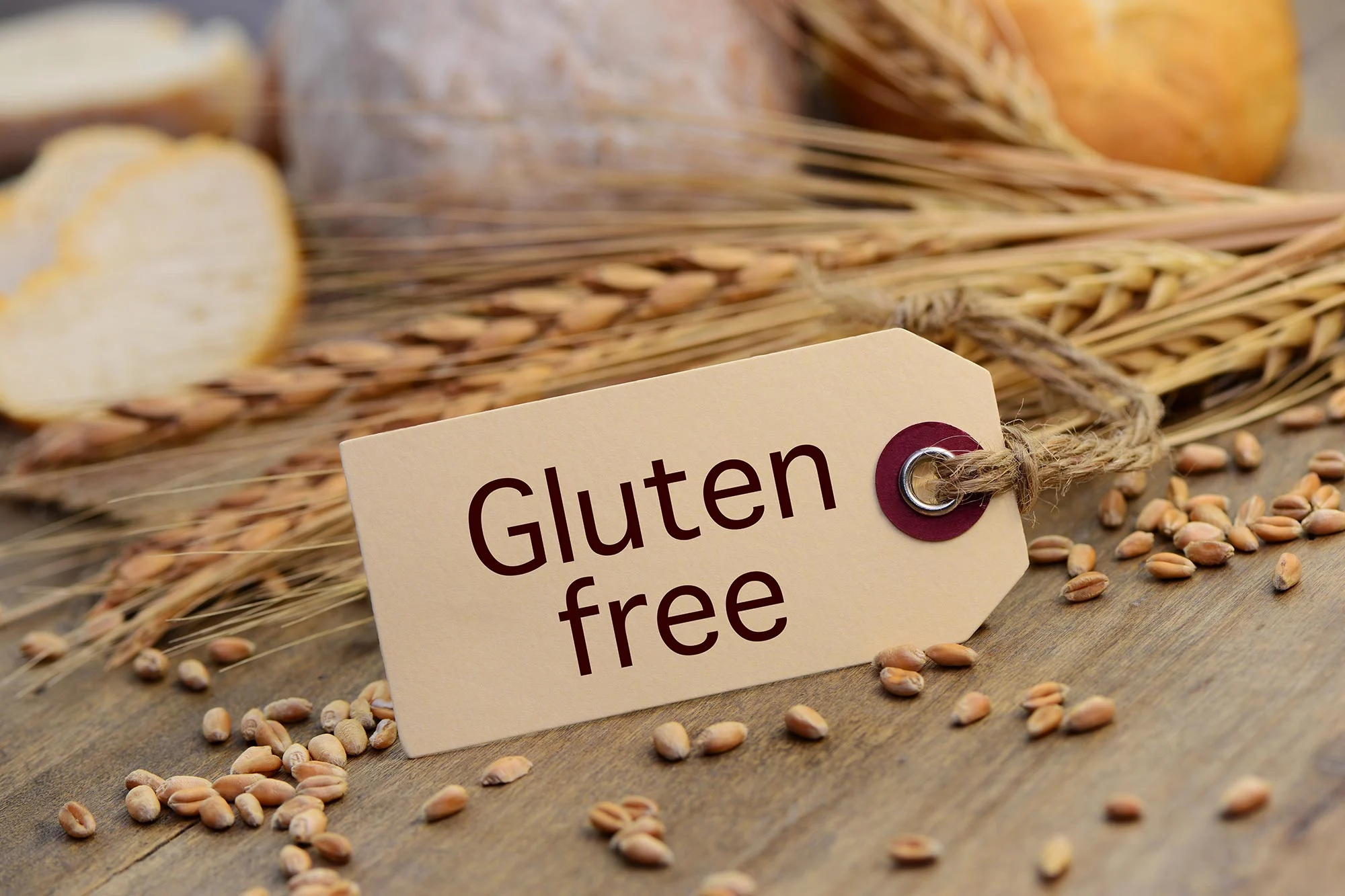
Summary of New Research Shatters the Myth of Gluten Sensitivity:
A recent study published in The Lancet challenges the conventional understanding of non-celiac gluten sensitivity (NCGS), revealing that symptoms are often triggered by gut-brain interactions rather than gluten itself. Researchers found that many people who report sensitivity are reacting to fermentable carbohydrates (FODMAPs) or psychological factors rather than gluten. This suggests that NCGS should be reconsidered in relation to gut-brain interactions, similar to conditions like irritable bowel syndrome (IBS). The study advocates for more accurate diagnoses, personalized care, and a shift in public health messaging away from the notion that gluten is inherently harmful.
*****
Key Takeaways
- Recent research has redefined non-celiac gluten sensitivity (NCGS), revealing that many symptoms are related to gut-brain interactions and not gluten itself.
- The study indicates that fermentable carbohydrates (FODMAPs) and psychological factors may largely contribute to the discomfort often attributed to gluten.
- Most people experiencing gluten sensitivity exhibit reactions indistinguishable from placebo responses, suggesting a powerful influence of expectation on gut sensations.
- This groundbreaking understanding calls for a shift away from gluten-phobia and encourages personalized treatment approaches that integrate psychological support alongside dietary modifications.
- The findings challenge public health messaging and emphasize the necessity for better diagnostic tools and public education regarding gluten and gut health.
Shattering the Myths of Gluten Sensitivity: A New Dawn in Understanding
Have you ever felt a rumble in your stomach after a slice of bread or a bowl of pasta, convinced that gluten was the culprit? If so, you’re not alone. Millions of individuals around the globe are avoiding gluten in fear of negative health consequences, sometimes without understanding the full picture. However, recent research has opened a floodgate of insights that might just change everything you thought you knew about gluten sensitivity.
The Intriguing Connection Between the Gut and the Brain
Let’s take a moment to dive deeper into the groundbreaking study published in The Lancet on October 22. Researchers embarked on a rigorous journey through existing data to uncover the true essence of non-celiac gluten sensitivity (NCGS), a condition affecting approximately 10% of the global population. Surprisingly, what they discovered was both enlightening and revolutionary.
Traditionally, gluten has been vilified as the black sheep of the dietary landscape. Yet, the evidence points to a different villain altogether: the complex interplay between our gut and our brain. The findings suggest that what many perceive as gluten sensitivity may actually stem from how the brain interprets gut sensations. It’s a revelation that could challenge and reshape long-held beliefs about dietary choices and health management.
Examining FODMAPs and Their Effects
FODMAPs—a term that might sound like something out of a sci-fi movie—are fermentable carbohydrates that can trigger unpleasant gut symptoms for some individuals. According to the study’s lead researcher, Associate Professor Jessica Biesiekierski, many symptoms associated with gluten consumption can actually be attributed to these carbohydrates, rather than gluten itself. This realization is profound. It invites us to reconsider not only our dietary choices but our perceptions of gut health.
Imagine walking into a bakery, breathing in the delectable aromas while feeling that twinge of anxiety about what the gluten-laden treats might do to your digestive system. Often, it turns out, the discomfort follows not necessarily because of gluten, but as a result of other components present in wheat or even due to psychological factors, including your previous experiences with such foods.
The Placebo Effect: More Real Than You Think
In exploring these findings, the research boldly highlights the placebo effect—a psychological phenomenon that plays a significant role in how we feel symptoms. Those who believed they were gluten-sensitive were observed to have reactions to gluten, wheat, and even placebo that were markedly similar. What does this mean? It showcases the potency of our expectations on how we perceive sensations in our bodies, prompting a rethink of how closely our brain influences our gut health.
This synaptic dance between our gut and brain emphasizes that our health isn’t merely a physical condition but also an intricate emotional landscape. Acknowledge that a significant portion of what we feel is tied to how we think. Could it be that empowering ourselves with knowledge might just untangle some of the fears surrounding gluten?
A New Perspective on NCGS
The implications of this research are immense. NCGS is starting to be viewed not as a distinct disorder but rather as part of the broader spectrum of gut-brain interactions. This brings forth an opportunity for more nuanced conversations about gut health, where instead of casting gluten as the villain, we engage in discussions about foods and experiences that genuinely contribute to well-being—or detract from it.
As Associate Professor Jason Tye-Din, Director of the Snow Centre for Immune Health, stated, distinguishing NCGS from related gut conditions is crucial for providing accurate diagnoses and personalized care. Rather than adhering to one-size-fits-all approaches—such as eliminating gluten entirely—patients can be encouraged to take a broader view of their dietary habits, tailoring them based on a deeper understanding of their specific triggers.
Moving Towards Personalized Care
Imagine a future where your doctor doesn’t simply tell you, “Avoid gluten,” but rather engages you in a dialogue about your unique experiences with food. In this new paradigm, diagnosis moves beyond labels, focusing instead on the interplay of factors affecting the gut and brain.
Clinical care must evolve, blending dietary modifications with psychological support to enhance overall wellness. The new findings beg an urgent call to action for public health messages to shift away from this entrenched belief that gluten is inherently harmful. With clearer understanding comes better methods of communication—helping millions who might be burdened by unnecessary dietary restrictions.
A Shift in Public Health Messaging
As we stand on the precipice of a new understanding of gluten sensitivity, it’s worthwhile to reconsider how we talk about food, health, and well-being in society. Gluten should not be boxed and labeled as the enemy. This notion of demonizing gluten isn’t just unjust; it can hinder holistic approaches to health. It’s time we educate instead of fearmonger, and encourage an openness to understanding our bodies without prejudice.
Imagine a community where people no longer recoil from gluten but embrace a richer, fuller conversation about how foods affect their bodies. Dining experiences could transform into opportunities for exploration and celebration rather than anxiety and avoidance.
Looking Ahead: Better Diagnostic Tools and Public Education
This updated scientific understanding of gluten sensitivity not only encourages new ways to interpret dietary reactions but also highlights the urgent need for better diagnostic tools. As understanding surrounding NCGS expands, the research community stands championed by the voices of those advocating for better public education.
Illicit food fears can devolve into restrictive diets that do more harm than good. Imagine a world in which sensibilities around gut health aren’t dictated by unfounded fears but grounded in robust scientific inquiry and compassionate discourse.
Transforming Our Relationship with Food
So, what’s your personal reflection as you walk away from this exploration? Food is more than mere sustenance; it is also steeped in memory, emotion, and cultural significance. Many of us want to feel good—not just physically but also mentally and emotionally. Food choices intersect with identity, and our relationship with what we consume shapes our lives. Could embracing a more holistic understanding of gluten sensitivity empower us to rewrite our dietary narratives?
With these new insights about gluten sensitivity, we can cultivate a richer, informed appreciation of our food choices. By moving beyond simple categorizations and towards understanding, we take another step on our journey toward health—one built on respect for both our minds and bodies.
Final Thoughts: Embracing Knowledge to Transform Habits
It’s fascinating how the landscape of health and nutrition is continuously evolving. Each new study, each new perspective reshapes the dialogue in a powerful way. Your choices impact not just your health but also the very narratives that society holds about food.
As you navigate this journey, remember that knowledge is a potent tool; it empowers you to question assumptions and cultivate a relationship with your body based on trust, understanding, and joy. By re-examining our views on gluten, we can foster an atmosphere where we are all equipped to make choices that genuinely resonate with our unique selves.
As with any great adventure, the path is lined with discovery, and the map is unwritten. Consider it an invitation to explore the intricate, beautiful relationship between your gut, your brain, and the food that nourishes you. Embrace the uncertainties, stay curious, and let’s redefine our understanding of health together!