- Overconsumption of Caffeine and Its Effects
- Lack of Variety in Tea Choices
- Ignoring Temperature Sensitivity
- Excessive Sugar and Additives
- Time of Consumption and Its Implications
Tea is often celebrated for its numerous health benefits, ranging from antioxidant properties to improved mental clarity. However, habitual tea consumption can lead to negative effects on gut health if not done thoughtfully. Here are seven common tea habits that may be detrimental.
Overconsumption of Caffeine and Its Effects
For many, tea is a go-to source of caffeine, offering a measured boost in energy. Yet, excessive caffeine consumption can lead to adverse effects on gut health. Caffeine stimulates the production of stomach acid, which can exacerbate issues like acid reflux and gastritis. Chronic exposure to high levels of caffeine may disrupt the gut microbiome, diminishing populations of beneficial bacteria. These disruptions can lead to increased inflammation and digestive discomfort.
It is prudent to monitor caffeine intake by considering the type of tea consumed. Black tea generally contains more caffeine than green or herbal varieties. For those who experience gut sensitivity, opting for lower-caffeine options or limiting the number of tea servings can be beneficial for maintaining gut health. Additionally, it is crucial to be attentive to individual responses to caffeine, as some people are more sensitive than others.
Lack of Variety in Tea Choices
Another common issue is the lack of diversity in the types of tea consumed. Sticking to a single type may restrict exposure to a broader spectrum of beneficial compounds found in various teas. Different types of tea, including green, white, oolong, and herbal concoctions, offer unique properties that support gut health. For instance, green tea is rich in catechins, which have been linked to improved gut microbiota diversity.
On the other hand, herbal teas, such as peppermint or ginger, can promote digestive health by reducing bloating and enhancing digestion. A monotonous tea routine may limit gut benefits. It’s advantageous to rotate between different kinds of tea to take advantage of their varying health benefits. This can help maintain a balanced gut microbiome and ensure well-rounded nutrient intake.
Ignoring Temperature Sensitivity
Tea drinkers often prefer their beverages at scalding hot temperatures, believing this enhances flavor and enjoyment. However, drinking extremely hot tea can harm the gut lining and digestive tract. Recent research suggests that consuming beverages at temperatures above 140°F (60°C) may increase the risk of esophageal cancer.
Furthermore, hot liquids can irritate sensitive gastric tissues, leading to discomfort. To mitigate these risks, allowing tea to cool slightly before consumption is a prudent choice. Ideally, a drinking temperature around 130°F (54°C) is safer and still allows for optimal flavor without risking damage to the digestive system.
Excessive Sugar and Additives
While many people enjoy sweetened tea, excessive sugar and additives can negate the health benefits associated with tea consumption. High sugar intake can disrupt gut microbiota balance and lead to inflammation. Sugar not only feeds harmful bacteria in the gut but may also hinder the growth of beneficial species.
Moreover, many flavored teas contain artificial additives that may trigger gastrointestinal issues in some individuals. Opting for natural sweeteners like honey or stevia, if sweetness is desired, can alleviate some of these concerns. Additionally, exploring unsweetened varieties or utilizing spices such as cinnamon can enhance flavor without detrimental health impacts.
Time of Consumption and Its Implications
Tea consumption times can also play a pivotal role in gut health. Many people enjoy tea with meals, but this habit may not always be beneficial. Tea contains tannins, which can bind with iron and impede its absorption. This activity can be particularly concerning for individuals who are already at risk for iron deficiency.
For optimal absorption of nutrients, consuming tea between meals rather than with food can be helpful. Furthermore, avoiding tea shortly before bedtime is advisable, as caffeine can disrupt sleep patterns, which in turn can affect gut health. Prioritizing time when tea is consumed can support overall digestive function.
Decaffeination Choices
As tea lovers often look for ways to reduce caffeine intake, selecting decaffeinated options may seem like an easy fix. However, the decaffeination process can affect some beneficial compounds in tea. The methods used can alter the antioxidant levels and other vital nutrients. It’s essential to choose decaffeinated teas that preserve the quality and health benefits one seeks.
Understanding the decaffeination method—whether it’s water processing, carbon dioxide, or chemical solvents—allows consumers to make informed choices. Moreover, considering lower-caffeine herbal teas as an alternative can retain some of the benefits without the caffeine.
Neglecting Personal Reactions
Lastly, failing to listen to one’s own body can lead to negative repercussions. Individuals react differently to various teas and their components. Some may find that certain teas cause bloating, discomfort, or increased acidity. In such cases, avoiding specific types of tea or moderating intake can lead to improved gut health.
Keeping a diary to track which teas trigger gastrointestinal symptoms can provide insight, leading to better choices down the line. Awareness of personal limits regarding tea consumption is key to maximizing benefits while minimizing any adverse effects.
Understanding these habits provides valuable insights into enhancing health through mindful tea consumption. By adjusting these behaviors, tea drinkers can optimize their experiences while supporting their gut health. Exploring diverse tea options, moderating intake, and paying attention to individual responses can make a significant difference in overall well-being while enjoying the timeless beverage of tea.
*****
Source Description
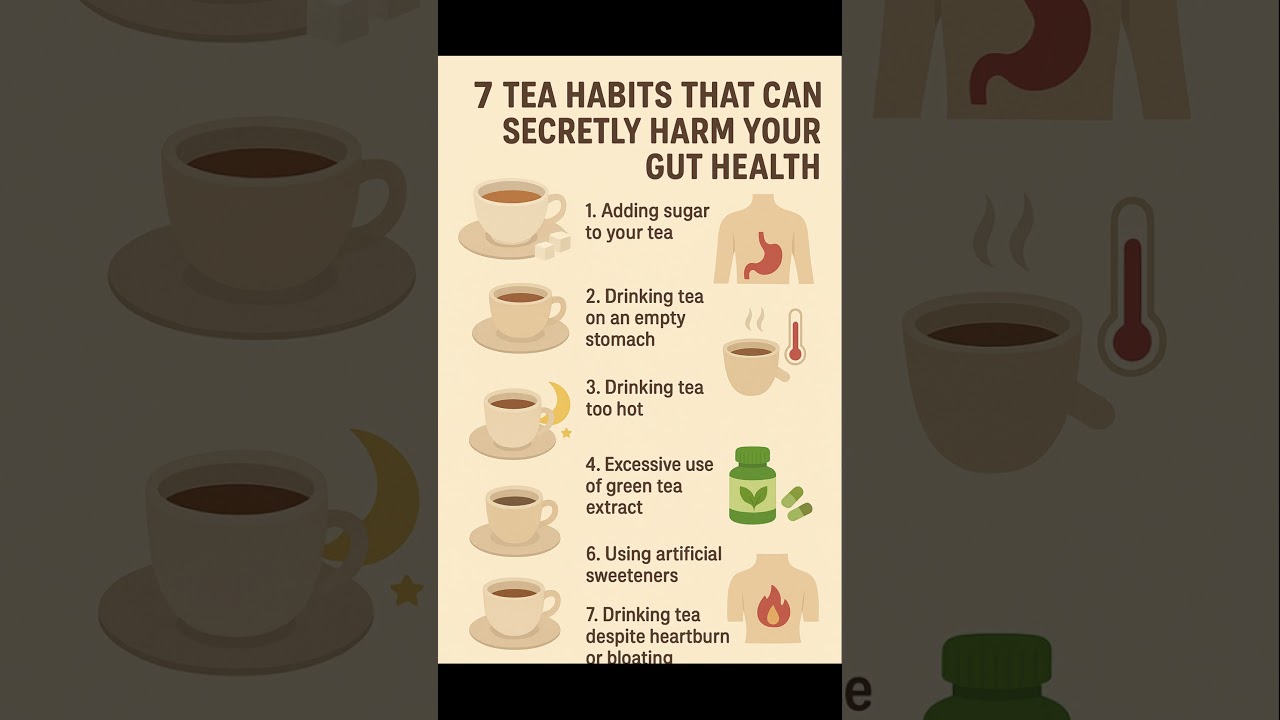
Tea is often seen as a healthy drink 🍵 — but did you know some of your daily tea habits could be harming your gut health?
Here are 7 tea mistakes that can secretly damage your digestion:
1️⃣ Adding sugar to your tea
2️⃣ Drinking tea on an empty stomach
3️⃣ Drinking tea too hot
4️⃣ Drinking tea at night
5️⃣ Overusing green tea extract
6️⃣ Using artificial sweeteners
7️⃣ Drinking tea despite heartburn or bloating
☕ Learn how to enjoy tea the right way — without upsetting your stomach or disrupting your gut microbiome.
💡 Watch till the end to find out which tea habits are actually healthy!
#shorts #TeaHabits #GutHealth #HealthyLiving #TeaTips #TeaLovers #Wellness #DigestiveHealth #TeaFacts #GreenTea #HealthTips #Nutrition #StomachCare #Bloating #Heartburn #HealthyChoices