- Understanding the Nature of Fear and Its Impact on Decision-Making
- Tony Robbins’ Insights on Fear and Motivation
- The Consequences of Avoiding Fear
- Techniques to Embrace and Overcome Fear
- Integrating Fear Management into Daily Life
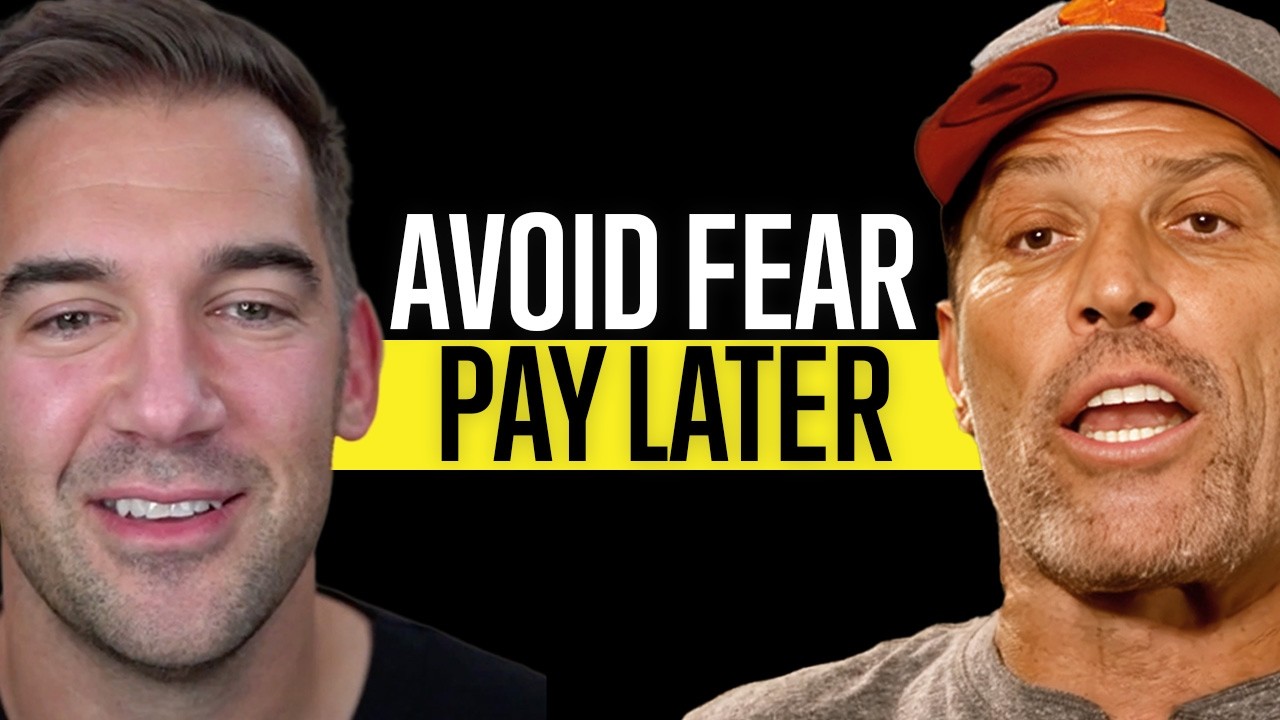
Fear is a fundamental human emotion that can alter how individuals perceive situations and make decisions. It acts as a protective mechanism, alerting people to potential dangers. However, when it becomes a barrier to action and growth, the consequences can be significant. When individuals choose to ignore or avoid their fears, they may miss opportunities for personal growth and development. Tony Robbins, a prominent life coach and motivational speaker, has shared many insights about fear throughout his career. His teachings emphasize the importance of facing fear head-on to unlock potential and achieve personal goals.
Understanding the factors that drive fear and its influence on decision-making is crucial. Fear often arises from uncertainty. It can create a response that may inhibit rational thought. This emotional reaction can paralyze action, leading individuals to make choices that reinforce stagnation rather than progress. In various situations, whether in personal relationships, career choices, or even health decisions, fear can be a double-edged sword. It may keep people safe in the short term, but in the long run, it can lead to missed opportunities and regret.
Tony Robbins emphasizes that fear is one of the main barriers to achieving success. His perspective centers around the idea that people often let it dictate their actions. When individuals avoid what frightens them, they forfeit valuable lessons and experiences. For many, this avoidance arises from a deep-rooted belief that they lack the skill or resilience to confront their fears. Robbins posits that shifting this mindset can empower individuals to take actionable steps towards their goals.
The consequences of avoiding fear can be profound. Personal stagnation often follows. When fear dictates choices, it can lead to decreased satisfaction in various life areas, including personal relationships and career aspirations. This avoidance often manifests physically and mentally. Individuals may experience a heightened sense of stress and anxiety as a result, perpetuating a cycle of fear and uncertainty. For example, consider someone who fears public speaking. Instead of confronting that fear, they may decline opportunities for advancement that require communication. Over time, this avoidance compounds, leaving them feeling trapped in their current situation.
Tony Robbins encourages individuals to confront their fears rather than evade them. He advocates for understanding the source of fear and actively facing it. This is not about eliminating fear altogether; rather, it is about reshaping one’s relationship with it. For many, cultivating a new approach involves reframing fear as a signal for action. For instance, when faced with a daunting task, instead of feeling paralyzed by anxiety, individuals can shift their perspective. They might view fear as a motivator to prepare and perform better.
There are several techniques to help individuals embrace fear. First, practicing mindfulness can be advantageous. Mindfulness involves being present in the moment and acknowledging emotions without judgment. This practice allows individuals to observe their fear and understand its significance without becoming overwhelmed. Additionally, visualization techniques can prepare individuals to confront fears head-on. By mentally practicing scenarios that induce fear, individuals can build confidence and reduce anxiety.
Another effective method is breaking down fears into manageable parts. This strategy enables a clearer understanding of what specifically invokes fear and allows individuals to tackle each component gradually. For instance, someone fearful of networking might start by practicing small interactions in low-pressure settings. This approach can create a sense of achievement, bolstering confidence over time.
Integrating fear management into daily life is essential for ongoing development. Establishing a routine that includes confronting fears can reinforce positive habits. Journaling about fears and reflecting on what was learned during confrontations can also prove beneficial. The insights gained provide clarity and can help individuals plan future actions more effectively.
Robbins’ techniques illustrate that fear is an integral part of personal development. Facing fear allows for growth opportunities that would otherwise remain concealed. Through consistent practice and commitment, individuals can reshape their relationship with fear, transforming it into a source of motivation rather than a hindrance.
Overall, Tony Robbins teaches that facing fear fosters personal empowerment. By doing so, individuals can unlock their potential, pursue passions, and lead fulfilling lives. Engaging with fear instead of succumbing to it is a powerful catalyst for change and self-improvement. With the right strategies, overcoming fear becomes a journey of connection and growth, leading to a more satisfying existence.
*****
Source Description
🔔 Subscribe for more great content: https://www.youtube.com/lewishowes
▶️ Click to watch the full episode: https://youtu.be/XIztF-ijsa0
When we don’t lean into fear, life shrinks. Tony explains why experience beats belief (think firewalks) and how real change sticks only when you raise your identity “thermostat.” If you don’t expand who you are, you self-correct back to your comfort zone; if you do, momentum compounds across health, finances, and purpose.
Follow Lewis!
Instagram: https://www.instagram.com/lewishowes/
Tiktok: https://www.tiktok.com/@lewis
Facebook: https://www.facebook.com/lewishowes/
Twitter: https://twitter.com/LewisHowes
💻 Website: http://lewishowes.com/
📲 For more Greatness text PODCAST to +1 (614) 350-3960
#greatness #inspiration #motivation