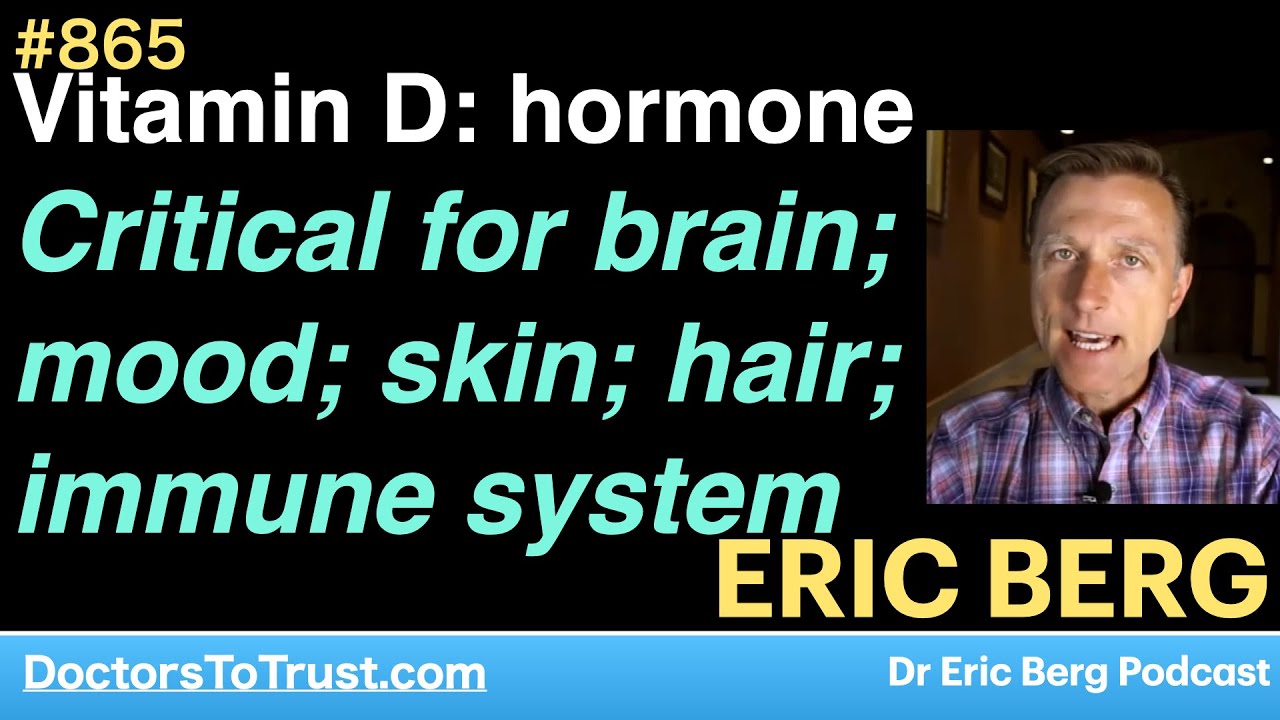
Are you getting enough Vitamin D? This vital nutrient isn’t just about strong bones and healthy teeth, it plays an important role in many different aspects of your health. Did you know that if you’re deficient in Vitamin D, you might find it difficult to sleep at night? This is because Vitamin D helps regulate your circadian rhythm and supports the sleep centers in your brain. So if you’re struggling with insomnia or sleep apnea, it might be worth examining your Vitamin D levels.
But that’s not all – Vitamin D deficiency has been linked to a number of other health problems, including Alzheimer’s, Parkinson’s, and dementia. Studies show that people with these conditions often have low levels of Vitamin D, which suggests that it may play an important role in protecting the brain. And if you’re feeling down or anxious, it could be worth boosting your Vitamin D intake, as this nutrient is known to influence mood and may help combat seasonal affective disorder.
But what about the physical effects of Vitamin D deficiency? Well, it turns out that this nutrient is essential for healthy hair and skin too. If you’re not getting enough Vitamin D, you may experience dry, brittle hair that’s more prone to breakage. You might also notice early graying or hair loss, particularly during stressful periods or menopause. And if you have psoriasis or eczema, low Vitamin D levels could be making your symptoms worse.
The good news is that getting more Vitamin D could help improve your skin health. This nutrient has been shown to reduce inflammation and can help prevent conditions like Vitiligo, which cause patches of white skin. It may also lower your risk of skin cancer, particularly melanoma, which can be deadly if left untreated.
But the benefits of Vitamin D don’t stop there. This nutrient is also crucial for a healthy immune system, helping to regulate the production of important cells called T-cells. As we age, our immune systems can become weaker, but studies suggest that Vitamin D can help strengthen our defenses and protect us against infection. And if you suffer from allergies or autoimmune disorders, boosting your Vitamin D intake could help calm an overreactive immune system.
So if you’re not getting enough Vitamin D, what can you do about it? Well, the best way to increase your levels is through exposure to sunlight. That’s because our bodies naturally produce Vitamin D when our skin is exposed to ultraviolet light. But if you live in a place with limited sunshine or you’re concerned about skin damage, you can also get Vitamin D from foods like fatty fish, eggs, and fortified dairy products. And if you’re still struggling to get enough, supplements can be a helpful addition to your diet.
Personally, I was surprised to learn just how many different aspects of health are influenced by Vitamin D. I always assumed it was just about bones and teeth, but it turns out this nutrient is like a little superhero, helping our bodies in so many different ways. So if you’re looking for a natural way to boost your health and wellbeing, why not take a closer look at your Vitamin D levels? You might be surprised by the positive impact it could have on your life.
*****
*****
Summary of Transcript:
The video discusses the importance of vitamin D in various bodily functions and systems. Vitamin D helps with sleep by regulating the Circadian rhythm and the suprachiasmatic nucleus in the brain, and it can alleviate sleep apnea, insomnia, and high cortisol levels. It also has a significant impact on mood, and deficiencies may lead to depression or anxiety. Additionally, vitamin D affects the growth and health of hair and skin, as well as immune system function and response. It can help prevent allergies, autoimmune disorders, and skin cancer, and it is essential for the development and maintenance of the thymus gland and T cells.
*****
Summary of Description:
The content on DoctorstoTrust.com includes an episode with Dr. Eric Berg in which he discusses the benefits of vitamin D for sleep, hair, skin, sinus, and immune system health. The site provides original links to related short videos and emphasizes that the content is not intended to replace professional medical advice. No doctor/patient relationship is formed through the use of this information, and users should seek medical assistance for any medical condition they may have.
*****
Source Description
http://www.DoctorsToTrust.com
presents episode 866 | Dr Eric Berg
Dr Eric Berg podcast
Dr Eric Berg
Vitamin D helps:
-circadian rhythm
-sleep center
[suprachiasmatic nucleus]
-sleep apnea
-insomnia
-high cortisol
-Alzheimer’s, Parkinson’s
dementia
-seasonal affective disorder
Hair
if D deficient
-dry, brittle, fewer in number
-graying
-hair loss during stress
-or during menopause
-alopecia
scalp and skin
-psoriasis, eczema
-acne
D can reduce inflammation
-vitligo & melanoma
Sinus
-deficiency can cause stuffy nose
D protects against viruses
[critical to breathe through nose]
Thymus gland
-trains T cells
-as age, it shrinks
Vitamin D helps thymus gland
maintain your immune system
[it is full of D receptors]
-controls cytokines
-protects from over reaction
||||||||||||||||||
doctorstotrust.com
drberg.com
Original Youtube: https://youtu.be/zCmW5bLcE9s
This site will never use corruptible, epidemiological survey research as causal science.
For each short/sharable video, the original Youtube links are provided
None of this content is intended to be individual, personalized medical advice.
We hope you find value for yourself in these short videos &
find them easy to share with loved ones!
DISCLAIMER
The DoctorsToTrust videos are for general informational purposes only
and do not constitute the practice of medicine, nursing or other
professional health care services, including the giving of medical advice,
and no doctor/patient relationship is formed. The use of information on this podcast
or materials linked from this podcast is at the user’s own risk.
The content of this podcast is not intended to be a substitute for
professional medical advice, diagnosis, or treatment. Users should not disregard or
delay in obtaining medical advice for any medical condition they may have and
should seek the assistance of their health care professionals for any such conditions.