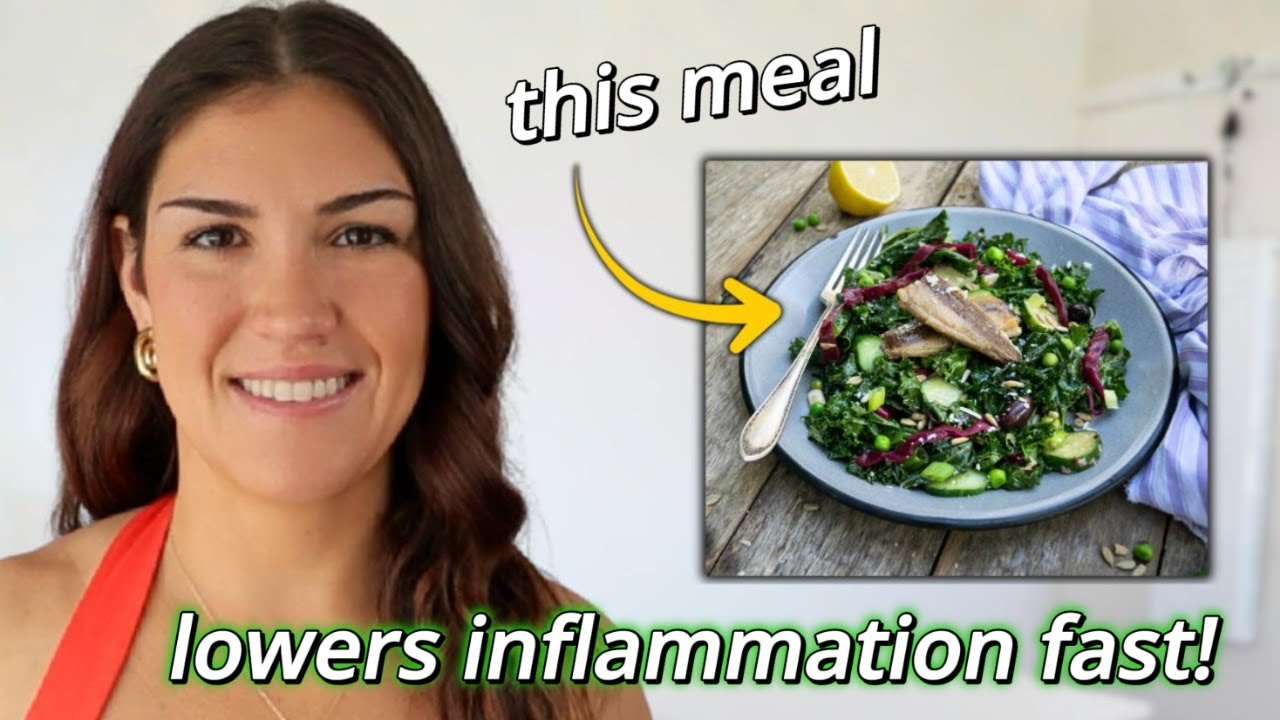
- Chronic inflammation is a significant health issue linked to various diseases.
- Certain foods can actively reduce inflammation in the body.
- A detailed examination of eight specific foods that help calm inflammation.
- Understanding the mechanisms of inflammation and the role of diet.
- Practical tips for incorporating anti-inflammatory foods into your daily routine.
Chronic inflammation is increasingly recognized as a health concern linked to several serious diseases, including heart disease, diabetes, and cancer. It occurs when the body’s immune system is in a constant state of activation, often due to factors such as stress, lack of exercise, poor diet, or environmental toxins. Understanding how to manage inflammation is crucial for maintaining health and preventing disease. Fortunately, nutritional choices play a fundamental role in this equation.
Specific foods possess natural anti-inflammatory properties that can help modulate the body’s immune response. By incorporating these foods into your diet, you can potentially reduce the risk of chronic diseases and promote overall health. Below, we explore eight specific foods that are known to calm inflammation effectively.
Turmeric is a bright yellow spice derived from the Curcuma longa plant. Its active ingredient, curcumin, is renowned for its powerful anti-inflammatory effects. Curcumin has been shown to inhibit various inflammatory molecules within the body. Studies reveal that turmeric supplementation can significantly reduce symptoms in conditions like arthritis and may help lower the risk of chronic diseases linked to inflammation. Adding turmeric to meals, either in powder form or as a fresh root, can enhance flavor while offering health benefits. Pairing it with black pepper increases the absorption of curcumin, making it even more effective.
Fatty fish, such as salmon, mackerel, and sardines, are rich in omega-3 fatty acids. These essential fats have been shown to reduce inflammatory markers in the body effectively. Omega-3s counteract the effects of omega-6 fatty acids, which are often prevalent in processed foods and can promote inflammation. Regular consumption of fatty fish can lead to lower levels of C-reactive protein (CRP), a key indicator of inflammation. Aim for at least two servings of fatty fish each week to support your body’s inflammatory response positively.
Leafy greens, including spinach, kale, and Swiss chard, are packed with antioxidants, vitamins, and minerals that help combat inflammation. They contain high levels of vitamins A, C, and K, which are associated with improved immune function and lessened inflammation. The antioxidants found in leafy greens, such as quercetin and kaempferol, have been shown to decrease inflammation and reduce the risk of chronic diseases. Introducing a variety of these greens into salads, smoothies, or as sautéed dishes can provide a nutrient-dense way to fight inflammation.
Berries, such as blueberries, strawberries, and blackberries, are high in antioxidants known as polyphenols. These compounds have been shown to lower inflammatory markers like CRP and interleukin-6 (IL-6). The unique combination of vitamins, minerals, and fiber found in berries further supports their anti-inflammatory properties. Regular consumption of berries can also enhance overall health due to their ability to improve gut health and lower blood pressure. Snack on fresh berries, add them to yogurt or smoothies, or incorporate them into desserts to enjoy their benefits.
Nuts, particularly walnuts and almonds, serve as an excellent source of healthy fats, protein, and vitamins. They are rich in antioxidants and have shown potential in reducing inflammation. Studies suggest that regular nut consumption can lead to decreased levels of inflammatory markers in the bloodstream. Walnuts, in particular, are high in alpha-linolenic acid (ALA), a plant-based omega-3 fatty acid. Including a handful of nuts as a snack or adding them to salads and dishes can be an effective way to incorporate inflammation-fighting nutrients into your diet.
Olive oil is a staple in Mediterranean diets and is often touted for its health benefits. Extra virgin olive oil is rich in oleocanthal, a compound that exhibits anti-inflammatory properties similar to non-steroidal anti-inflammatory drugs (NSAIDs). Consuming olive oil regularly can lead to reduced oxidative stress and lower levels of inflammatory markers. Utilizing olive oil as a salad dressing or for cooking when appropriate can add flavor and health benefits to your meals.
Garlic not only enhances flavor but also offers remarkable anti-inflammatory effects. It contains compounds, such as allicin, which contribute to its medicinal properties. Garlic has been shown to lower cholesterol levels and reduce blood pressure, both of which can contribute to lower inflammatory responses. Incorporating fresh garlic into your cooking can enhance the taste of various dishes while promoting better health. Raw garlic is particularly effective for its anti-inflammatory properties, but even cooked garlic retains many benefits.
Green tea is celebrated for its numerous health benefits, which include its anti-inflammatory capabilities. The polyphenols in green tea, particularly epigallocatechin gallate (EGCG), have been extensively studied for their ability to reduce inflammation and lower the risk of chronic diseases. Regular consumption of green tea has been associated with reduced levels of inflammatory markers, improved fat metabolism, and better insulin sensitivity. Drinking green tea regularly can offer a refreshing way to contribute to an anti-inflammatory diet.
Understanding the mechanisms of inflammation is essential for recognizing how diet can impact health. Inflammation is a natural response of the immune system to injury or infection. However, when this response is prolonged or uncontrolled, it can lead to tissue damage and contribute to a wide range of health issues. The balance between pro-inflammatory and anti-inflammatory compounds in the diet can help modulate this response. Those looking to combat inflammation through diet should focus on whole, minimally processed foods that are rich in nutrients.
Integrating these eight anti-inflammatory foods into your daily routine can be simple and enjoyable. Start by experimenting with new recipes that incorporate these ingredients. For instance, consider making a turmeric-spiced smoothie, grilling salmon with a side of sautéed leafy greens, or enjoying a berry-packed yogurt parfait. Small changes in meals can make a significant difference in reducing inflammation over time.
Additionally, maintaining a balanced diet that emphasizes fruits, vegetables, whole grains, lean proteins, and healthy fats is crucial. This variety ensures that you receive a broad spectrum of nutrients, further aiding the body’s ability to combat inflammation. Cutting back on processed foods, sugar, and trans fats is another important step toward fostering a healthier inflammatory response.
Mindfulness around food choices allows individuals to tailor their diets to support better health outcomes. Regular physical activity, stress management, and adequate sleep are also integral to reducing inflammation. By addressing lifestyle factors holistically, one can further amplify the benefits of an anti-inflammatory diet.
The role of diet in managing chronic inflammation cannot be understated. Foods like turmeric, fatty fish, leafy greens, berries, nuts, olive oil, garlic, and green tea offer powerful options to help calm inflammation in the body. Making conscious choices about what we eat can profoundly affect our health and longevity.
An inflammatory response is a natural part of the body’s healing process; however, chronic inflammation presents risks that can be mitigated through dietary adjustments. By focusing on foods that have proven anti-inflammatory properties, individuals can take proactive steps toward enhancing their overall health. Small, consistent changes in dietary habits can lead to lasting benefits in managing inflammation effectively.
*****
Source Description
If you feel puffy, bloated, tired, or inflamed, there is a good chance your body is sending you a message. The good news is that inflammation is something you can calm naturally with simple, nutrient dense foods.
In this video, I break down eight foods that support gut health, calm inflammation, and help your metabolism work the way it should. These whole foods support stable blood sugar, hormone balance, and immune function without diets, detoxes, or restriction.
My top recs:
Bone broth https://hckait.com/bonebroth
Wild caught salmon (Australia) https://hckait.com/butchercrowd
Extra virgin olive oil https://hckait.com/primalkitchen
Sardines in springwater http://hckait.com/sardines
⸻
⭐️ Work With Me → https://hckait.com/bloodsugarreset
🤝 Healthy Not Complicated Community → https://hckait.com/broadcastchannel
🎧 Healthy Not Complicated Podcast → https://hckait.com/podcast
Hi, I’m Kait Malthaner (aka Health Coach Kait), a certified health and nutrition coach specializing in blood sugar balance and reversing insulin resistance. I help you simplify health so you can naturally lower blood sugar, A1c, and blood pressure, lose stubborn belly fat, and feel your best again. Getting healthy doesn’t have to be complicated. Small changes lead to big results.
⸻
Recommended Products & Discounts
🩸 At-Home Insulin Resistance Test (Code: KAIT10) → https://hckait.com/getsowell
🧂 Electrolytes (Code: HCK15) → https://hckait.com/sodiielectrolytes
💫 Berberine (Code: KAIT10) → https://hckait.com/getsobalanced
🩷 Inositol (Code: KAIT10) → https://hckait.com/getsosynced
🥤 Blood Sugar Drinks (Code: KAIT15) → https://hckait.com/goodidea
💪 Protein Powder (Code: HCK15) → https://hckait.com/protein
🔥 CKM (Code: KAIT15) → https://hckait.com/ckm
📱 CGM (Code: ULTRAKAIT15) → https://hckait.com/cgm
⸻
Timestamps
0:00 Intro
0:34 Inflammation and insulin resistance
1:02 Food 1: Bone broth
2:19 Food 2: Wild caught salmon
3:54 Food 3: Extra virgin olive oil
5:24 Food 4: Slow cooked meat
6:30 Food 5: Whole eggs
7:50 Food 6: Avocado
9:01 Food 7: Blueberries
9:52 Food 8: Fermented foods
10:43 Bonus food: Sardines
11:51 The connection between inflammation and metabolic health
⸻
Disclaimer:
This video is for informational purposes only and is not a substitute for professional medical advice. Always consult your doctor regarding any medical concerns. Some links are affiliate links, meaning I may earn a small commission at no extra cost to you. I only recommend products I personally use, trust, and love.