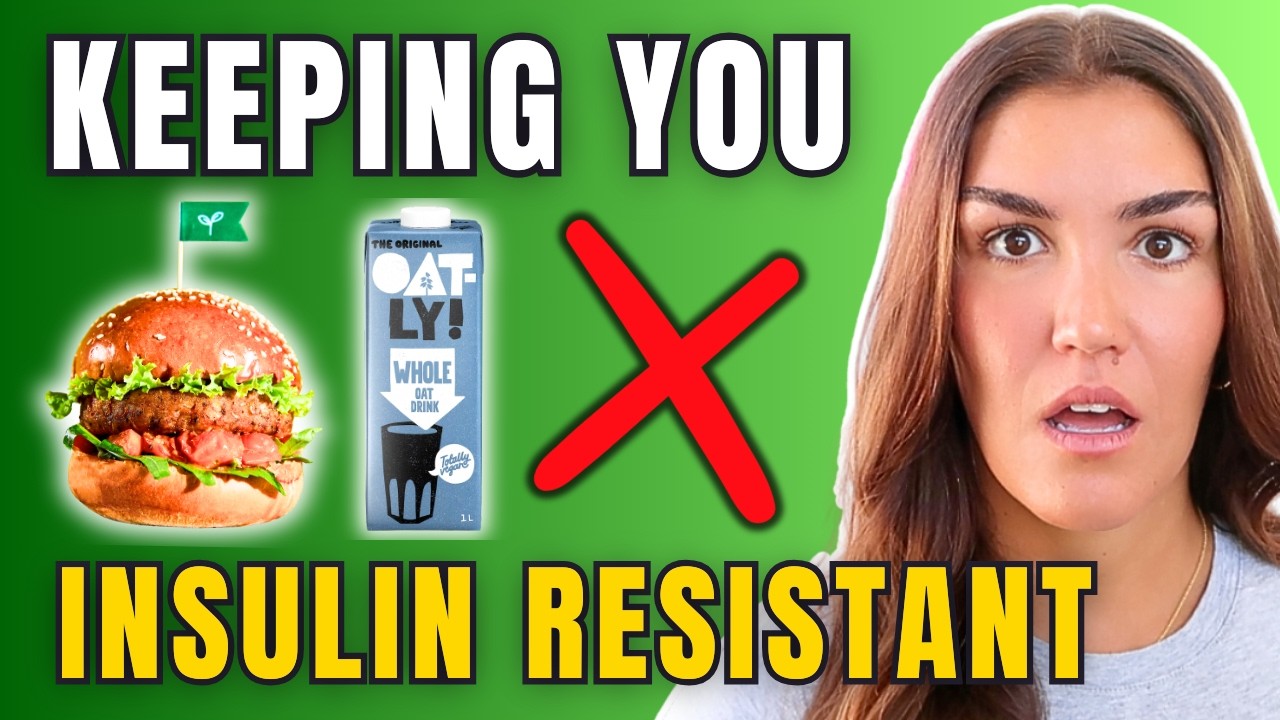
- Understanding how some ‘healthy’ foods may contribute to insulin resistance.
- The role of carbohydrates and sugars hidden in so-called healthy options.
- The impact of processed foods labeled as healthy on metabolic health.
- The significance of glycemic index and load in managing insulin sensitivity.
- Strategies to select truly beneficial foods for improved insulin sensitivity.
In recent years, many people have made conscious efforts to choose foods marketed as healthy. However, some of these options may unknowingly contribute to insulin resistance, a condition where cells in the body don’t respond well to insulin, leading to elevated blood sugar levels. Insulin resistance is a key factor in the development of type 2 diabetes, making it crucial to understand how diet impacts metabolic health.
One common pitfall is relying on foods perceived as healthy yet high in hidden sugars and carbohydrates. These components can have an insidious effect on insulin levels. Whole grain products are often seen as a healthier alternative to refined grains, but it’s important to scrutinize their sugar and carbohydrate content. Despite offering more fiber, whole grain foods like certain breads, cereals, and pastas can still cause significant spikes in blood sugar. The body’s response to these spikes involves increased insulin production, potentially worsening insulin resistance over time.
Processed foods labeled as healthy also pose a risk, as they can contain additives and preservatives not always apparent at first glance. For instance, many low-fat products compensate for flavor loss by adding sugars or artificial sweeteners. While these might sound healthy in approach, they can lead to metabolic disturbances. Instead of consuming these industrially processed foods, focusing on whole, minimally processed foods is a better strategy to promote insulin sensitivity.
An often-overlooked factor is the glycemic index (GI), which measures how quickly foods cause blood sugar levels to rise. Foods with a high GI can lead to rapid spikes in blood sugar and insulin levels, contributing to insulin resistance over time. High GI foods like white rice, potatoes, and even some fruits should be consumed in moderation. Incorporating low GI foods—such as legumes, nuts, and non-starchy vegetables—can help maintain stable blood sugar and insulin levels, playing a crucial role in managing insulin sensitivity.
To counter the negative effects of these ‘healthy’ foods, one must develop strategies to make informed dietary choices. This involves understanding nutritional labels and being aware of the specific content of sugars and refined carbohydrates in foods. Opt for nutrient-dense options that provide lasting energy without causing sharp insulin spikes. Lean proteins, healthy fats, and diverse vegetables should form the foundation of a diet aimed at improving insulin sensitivity.
Transitioning away from foods that contribute to insulin resistance doesn’t mean a lack of variety or flavor. Simple substitutions can make a significant difference. For instance, replacing white rice with quinoa or cauliflower rice offers nutritional benefits while aiding in the management of blood sugar levels. Substituting sugary snacks with nuts or seeds can provide sustainable energy and promote metabolic health.
The challenge of balancing a healthy diet with insulin sensitivity in mind lies in recognizing the foods that are genuinely beneficial. This involves knowing the nutritional value and how different foods impact the body’s insulin response. Incorporating foods with higher fiber content not only aids digestion but also slows down the absorption of sugars, leading to a more gradual insulin response. Including fermented foods like yogurt and kimchi, which support gut health, can also positively impact insulin sensitivity.
Ultimately, the journey to improved insulin sensitivity and metabolic health involves a multifaceted approach. Beyond just avoiding foods that contribute to insulin resistance, it encompasses a lifestyle that includes regular physical activity, stress management, and adequate sleep. By integrating these elements, the body’s insulin response can be regulated more effectively.
Understanding the impact of certain ‘healthy’ foods on insulin resistance is crucial in forming dietary strategies that support metabolic health. By being conscious of the foods consumed and their effects on insulin levels, individuals can make informed choices that lead to a healthier lifestyle, free from the adverse effects associated with insulin resistance.
*****
Source Description
Are you surprised to learn that some “healthy” foods are actually contributing to your insulin resistance? In this video, we’re exposing the 6 so-called healthy foods that are secretly sabotaging your insulin sensitivity and making it harder for you to lose weight. If you’re struggling with insulin resistance, prediabetes, or diabetes, this video is a must-watch.
Clean protein powder https://hckait.com/equip
🩸 3-Day Blood Sugar Reset ➡️ https://healthcoachkait.com/bloodsugarreset
⚠️ 7-Day Insulin Resistance Masterclass ➡️ https://healthcoachkait.com/IRmasterclass
🎧 Healthy Not Complicated Podcast ➡️ https://hckait.com/podcast
Hi, I’m Kait Malthaner (aka Health Coach Kait)! As a certified health and nutrition coach specialising in blood sugar control and reversing insulin resistance, I’m here to simplify your health journey. My videos cover topics like lowering blood sugar, A1c, and blood pressure, reversing insulin resistance and PCOS, weight loss, abdominal fat loss, and more. Getting healthy doesn’t have to be complicated—small changes lead to big results. Start reversing insulin resistance with me today!
Recommended Products and Discount Codes
🩸 At-Home Insulin Resistance Test (Code: KAIT10) ➡️ https://hckait.com/getsowell
🧂 Electrolytes (Code: HCK15) ➡️ https://hckait.com/sodiielectrolytes
💫 Berberine (Code: KAIT10) ➡️ https://hckait.com/getsobalanced
🩷 Inositol (Code: KAIT10) ➡️ https://hckait.com/getsosynced
🚨 Red Light Therapy (Code: HCK15) ➡️ https://hckait.com/rlt
💦 Sauna Blanket (Code: HCK15) ➡️ https://hckait.com/sauna
🥤 Blood Sugar Balancing Drinks (Code: KAIT15) ➡️ https://hckait.com/goodidea
💪 Clean Whey Protein (Code: HCK15) https://hckait.com/protein
📱 Continuous Glucose Monitor USA (Code: KAIT50) ➡️ https://hckait.com/nutrisense
0:00 Intro
0:51 Why food matters when it comes to insulin resistance
1:28 Over ripe bananas
2:35 Green juice
3:27 Plant based meat
4:14 Oatmeal
4:58 Low fat yogurt
5:33 Oat milk
Disclaimer:
This video is for general informational purposes only and should never be considered a substitute for professional medical advice. Always consult your doctor or a qualified healthcare professional for any questions about your health or medical condition. Some links above are affiliate links, meaning I may earn a small commission at no extra cost to you. I only recommend products I use, trust and love.
#insulinresistance #weightloss #bloodsugarcontrol