- Importance of supplements in managing PMOS
- Role of Omega-3 fatty acids
- Benefits of Vitamin D
- Efficacy of Magnesium supplementation
Polycystic ovary syndrome (PCOS) is a metabolic disorder that affects women during their reproductive years. Managing this condition often requires a multifaceted approach, which includes lifestyle changes, a balanced diet, and supplements. While targeted lifestyle choices are crucial, certain supplements can support better hormone regulation and metabolic function, especially for those newly diagnosed. Understanding the role of specific nutrients can play a key role in reversing the symptoms associated with PMOS.
Omega-3 fatty acids, commonly found in fish oil, have garnered attention for their beneficial effects on metabolic and hormonal health. Studies have shown that these fatty acids can help improve insulin sensitivity, a vital aspect for those managing PCOS. Insulin resistance is a hallmark of the condition. Elevated insulins may contribute not only to weight gain but also to the exacerbation of hormonal imbalance. Omega-3s work by decreasing inflammation and regulating fat metabolism. They can also lead to a reduction in androgen levels—hormones that can increase in women with PMOS.
Adding Omega-3 supplements to your daily routine can also provide cardiovascular benefits. Women with PCOS face a heightened risk of heart disease; therefore, improving heart health through Omega-3 supplementation can be a proactive measure. The American Heart Association recommends at least two servings of fatty fish per week, or supplementation, to achieve the desired effects on heart and metabolic health.
Incorporating Omega-3s through diet can also be beneficial and should be a consideration alongside supplementation. Fatty fish like salmon, sardines, and mackerel, as well as plant sources such as flaxseeds, chia seeds, and walnuts, can provide the needed EPA and DHA, the two key types of Omega-3 fatty acids. When opting for supplements, look for high-quality products that are third-party tested to ensure purity and potency.
Vitamin D is another essential supplement often overlooked in the management of PMOS. Many individuals with this condition also present with Vitamin D deficiency, which can exacerbate symptoms. Research indicates that sufficient Vitamin D levels can positively influence insulin sensitivity and reduce inflammation. Furthermore, Vitamin D plays a critical role in the reproductive system, supporting ovarian function and hormone balance.
The body can synthesize Vitamin D through exposure to sunlight, but dietary sources and supplementation are often necessary, especially in areas with limited sunlight. Foods rich in Vitamin D include fortified dairy products, fatty fish, and egg yolks. However, to achieve optimal levels, boosting intake through supplements may be necessary. A common recommendation is to aim for 1000 to 2000 IU per day, but it is wise to consult with a healthcare professional to establish an appropriate dosage based on individual needs.
Magnesium serves as another pivotal nutrient for those diagnosed with PMOS. Studies highlight its role in enhancing insulin sensitivity, making it valuable for managing insulin resistance common in affected individuals. Magnesium contributes to muscle function, energy production, and overall metabolic health. Deficiency in magnesium has been linked to various metabolic disorders, including type 2 diabetes.
Foods such as leafy greens, nuts, seeds, and whole grains are excellent dietary sources of magnesium. However, achieving adequate levels solely through diet can be challenging, especially in the context of PMOS. Therefore, supplementation can be beneficial. A dosage of around 300 to 400 mg per day is often recommended, but it’s essential to monitor individual responses to supplementation, as excessive magnesium can lead to gastrointestinal discomfort or other adverse effects.
Incorporating these three supplements—Omega-3 fatty acids, Vitamin D, and Magnesium—can empower those with PMOS to take proactive steps toward managing their health. Each of these nutrients offers unique benefits and can complement a healthful lifestyle that includes balanced nutrition and regular exercise. The importance of consistent monitoring, both through blood work and ongoing consultations with healthcare providers, cannot be understated when making dietary changes or starting supplementation.
Understanding the potential impact of each supplement can lead to informed decisions that support overall well-being. Regular assessments of hormonal levels, glucose regulation, and inflammatory markers will offer insights into how well these interventions are working.
In summary, proactive management of PMOS can be greatly enhanced through these targeted supplements. Omega-3 fatty acids work to improve insulin sensitivity and reduce inflammation while supporting heart health. Vitamin D supplements can help correct deficiencies and promote reproductive health. Lastly, Magnesium supplementation can enhance metabolic function and balance insulin levels. Integrating these nutrients into daily routines, while remaining attentive to dietary choices and physical activity, can support women in their journey toward better health and hormone regulation.
Navigating the complexities of PMOS requires a comprehensive approach, including dietary practices that emphasize whole foods, an active lifestyle, and strategic supplementation. Each of the three supplements examined holds promise for individuals looking to mitigate their symptoms and regain control over their health. Collaboration with healthcare providers can further empower those affected, laying the groundwork for a more balanced and healthy lifestyle.
*****
Source Description
PCOS has been renamed PMOS, polyendocrine metabolic ovarian syndrome, because it’s finally being understood for what it actually is: a metabolic condition driven by insulin resistance. This video covers the three supplements with the strongest research specifically for this condition and how to use them alongside the dietary and lifestyle changes that address the root cause.
Whole sardine capsules (10% off with KAIT10): https://hckait.com/sardinecapsules
Berberine: https://hckait.com/berberine
Inositol: https://hckait.com/inositol
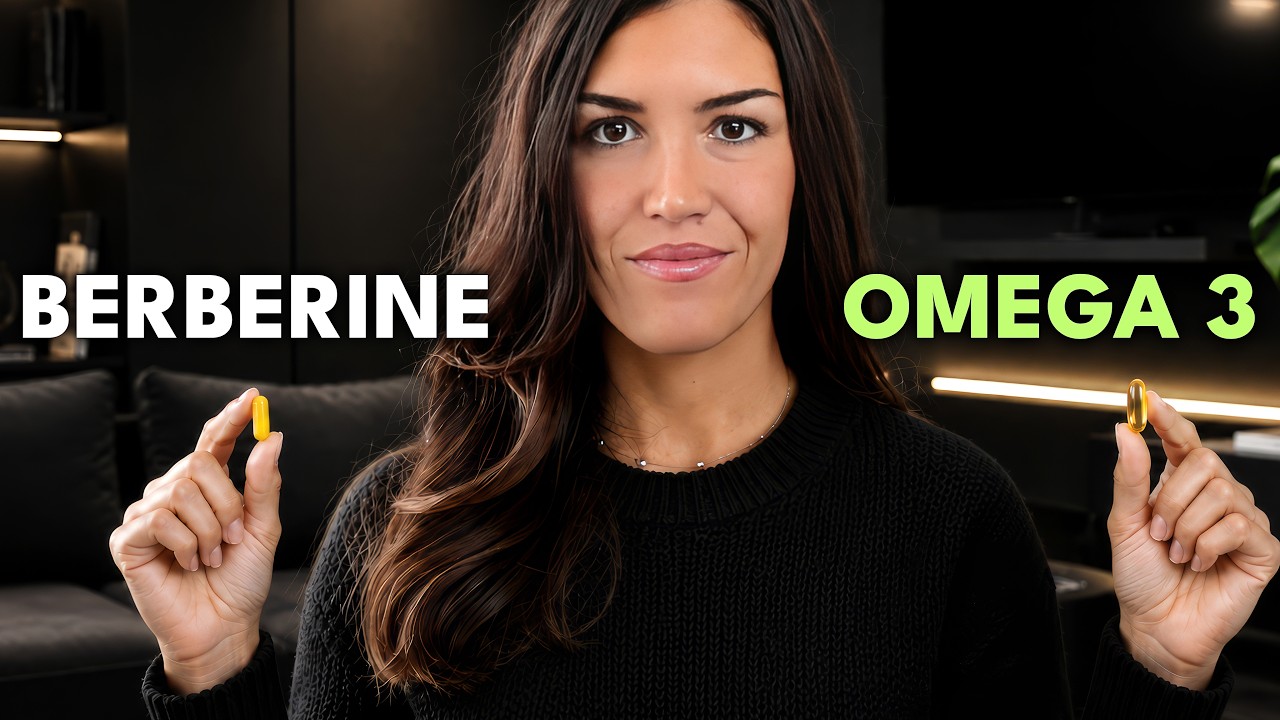
The supplements covered are berberine, which activates AMPK and has been shown to perform comparably to metformin for insulin and androgen markers in PMOS; inositol, the most researched supplement specifically for this condition, which improves insulin signalling at a cellular and ovarian level; and omega-3 EPA and DHA combined with vitamin D3, which reduce the inflammation and deficiency states that make insulin resistance harder to shift.
Supplements work best on top of the right foundations. This video covers both.
What I cover:
— Why PMOS is a metabolic condition and what that means for treatment
— The dietary and lifestyle foundations that need to be in place before supplements
— Berberine: how it works, why the research is strong, and why it’s not forever
— Inositol: why it’s the most researched supplement specifically for PMOS
— Omega-3 EPA and DHA vs plant-based omega-3 and why the difference matters
— Vitamin D3 and its relationship to insulin resistance in PMOS
— Why the combination of these three addresses the problem from different angles
———–
*MY METABOLIC TOOLKIT*
💫 Berberine (20% off: KAIT20): https://hckait.com/berberine
🧂 Electrolytes (15% off): https://hckait.com/sodiielectrolytes
🥤 Protein powder (20% off): https://hckait.com/equip
🍳 Non-toxic cookware (15% off): https://hckait.com/misen
🩸 At-home insulin resistance test (10% off: KAIT10) https://hckait.com/getsowell
🔥 Continuous ketone monitor (25% off): https://hckait.com/ckm
🚨 Red light therapy ($260 off): https://hckait.com/rlt
☕️ MCT oil: https://hckait.com/bulletproof
*WATCH NEXT*
*SOCIAL LINKS*
Instagram: https://instagram.com/healthcoachkait
TikTok: https://tiktok.com/@healthcoachkait
Facebook: https://facebook.com/.com/healthcoachkait
*COACHING*
7-Day Insulin Resistance Masterclass https://hckait.com/IRmasterclass
*TIME STAMPS*
0:00 PMOS is reversible, here’s where to start
0:47 Why PCOS was renamed PMOS
1:39 The lifestyle foundation before supplements
3:00 Supplement 1: berberine
4:25 Supplement 2: inositol
5:48 Supplement 3: omega 3 and vitamin D3
8:14 Why this combination works better than any one supplement alone
*ABOUT ME*
Hi, I’m Kait Malthaner (aka Health Coach Kait), a certified health and nutrition coach specialising in blood sugar balance and reversing insulin resistance. I help you simplify health so you can naturally lower blood sugar, A1c, and blood pressure, lose stubborn belly fat, and feel your best again. Getting healthy doesn’t have to be complicated. Small changes lead to big results.
Disclaimer: This video is for informational purposes only and is not a substitute for professional medical advice. Always consult your doctor regarding any medical concerns. Some links are affiliate links, meaning I may earn a small commission at no extra cost to you. I only recommend products I personally use, trust, and love.
#PMOS #PCOS #HealthCoachKait