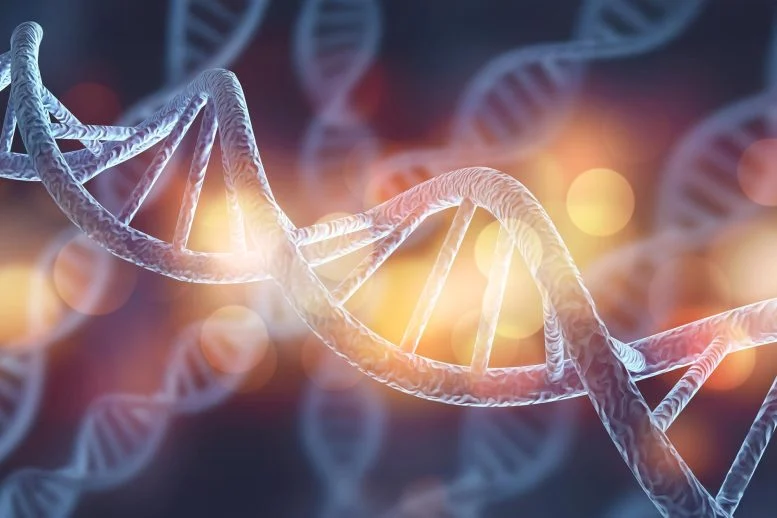
Summary of Unzipping the Code of Life: Scientists Pinpoint Where DNA First Opens:
Researchers from the MRC Laboratory of Medical Sciences and collaborators have traced the initial steps of DNA replication in living cells, revealing where DNA first separates and identifying a molecular gate that facilitates strand release. Their findings, published in Nature Communications, highlight how helicases, specifically the MCM2-7 complex, activate to pull apart DNA strands at designated starting points. The study provides insights into the coordination and sequence of events involved in DNA copying, emphasizing the importance of precision to avoid genetic damage. Although the research is focused on yeast, the principles may extend to other organisms, enhancing understanding of genome stability and replication mechanisms.
*****
Summary Bullet Points
- Researchers pinpointed the exact location where DNA first opens during replication using yeast cells, revealing the early moments of genome copying.
- The study identified MCM2-7 as a crucial helicase complex that plays a key role in this process, acting like a molecular zipper.
- A specialized molecular gate was discovered, allowing one strand of DNA to exit as replication begins, showcasing the complexity of this biological event.
- The findings draw connections between previously separate cellular events, laying the groundwork for a deeper understanding of DNA replication across various organisms.
- Reflecting on the study broadens our comprehension of genetic stability, with implications for understanding diseases related to DNA replication errors.
Unzipping the Code of Life: Insights into DNA Replication
The processes that govern cellular activity are among the most intricate and fascinating subjects in biology. For decades, scientists have endeavored to elucidate the steps involved in DNA replication, that extraordinary journey of the genetic material as it prepares for cell division. Recent breakthroughs are not merely academic milestones; they resonate with the very essence of life, the blueprint that constitutes our being. Let’s delve into this remarkable discovery—how researchers mapped where DNA first opens and the dynamics of the helicase complex that launches the replication process.
Imagine standing on the brink of something monumental. For every cell division, there is a symphony of molecular interactions that must occur without missing a note. The focus of this orchestration? The DNA molecule itself. Before a cell can duplicate its genetic blueprint, the tightly wound strands must unfurl like a scroll, carefully allowing access to the information they hold.
The Unsung Heroes: Helicases Begin the Process
Enter the helicases, stellar protein complexes like the MCM2-7 that serve as the gatekeepers of this intricate process. These molecular machineries pull apart the double helix to initiate the unzipping of DNA. Picture them as two zippers working in tandem, pulling apart the strands for the task ahead. This helicase complex encompasses six subunits arranged in a circular formation, strategically positioned at specific locations on the DNA, known as replication origins.
What’s insightful about this new study from the MRC Laboratory of Medical Sciences is the team of researchers led by Dr. Christopher Weekes, revealing groundbreaking findings on the initiation points of DNA replication. Their work goes beyond mere observation; it’s a detailed roadmap of molecular event sequences and interactions that spark the replication process. This understanding could change the way we perceive cellular replication, potentially ushering in innovations in genetics.
The Dance of DNA — Where Does It All Begin?
Understanding exactly where DNA first opens is critical. Utilizing advanced techniques including synthetic biology, genome mapping, and protein analysis, researchers have traced this pivotal moment in living yeast cells. They discovered that DNA rupture initiates at an interface between the two helicase rings. Imagine a doorway where two worlds—one of tightly coiled information, the other of unwound potential—collide and harmonize.
‘Coordination’ is the key phrase here. It appears that cellular machinery meticulously orchestrates multiple events across minuscule segments of the genome, ensuring that everything happens in synchrony. Each action is deliberate and carefully sequenced, like a choreographed dance, all essential for successful genome copying.
A Molecular Gate: The Exit Strategy
What happens when one strand of DNA needs to exit this intricate configuration? Researchers identified an internal gate within the helicase that facilitates the departure of that strand. This finding shines light on yet another layer of complexity; simple unzipping is not the only factor at play. Instead, there’s a nuanced system ensuring that genetic material is accessed only when it’s permissible.
To further explore the role of this gate, researchers conducted experiments where neighboring helicase subunits were tethered together. What happened next was illuminating: the linking restricted the flexibility of these helicases, preventing the proper functioning of replication forks. This experimental breakdown highlighted that the opening is not only an exit route; it’s essential for activating the machinery necessary for DNA replication.
Weaving Together Separate Threads
The study indicates that several processes—DNA opening, helicase separation, strand release, and the assembly of replication proteins—are interwoven into a singular, coherent sequence. Previously, these events existed in isolation, but now they sing in harmony, illuminating how cells precisely manage the onset of replication. Understanding the intermediate forms of the proteins involved reveals a rare view—those fleeting states that occur between inactivity and functionality. It demonstrates how biological systems are anything but straightforward.
This isn’t merely an academic pursuit with esoteric implications. The narrative we witness in these data extends to essential concepts in genetics, disease pathology, and even novel therapeutic approaches. Given that many of the proteins involved are conserved from yeast to humans, the hope exists that this clarity could offer insights across various organisms, driving the scientific community toward breakthroughs that enhance human health.
More Than Just a Molecular Motor
Professor Christian Speck’s assertion summarizes this research perfectly: starting DNA replication isn’t merely flipping a switch. The intricate orchestration of helicases that must separate, open DNA, and release the necessary proteins emphasizes the complexity of this biological mechanism. This isn’t just biology at work; it’s evolution’s well-honed craftsmanship.
Reflecting on the implications of this research invites a wider conversation around genetic stability and integrity. Errors in DNA replication can lead to catastrophic consequences—cancers, genetic diseases, and a myriad of other health issues. As we inch closer to deciphering the underlying mechanisms, we also move a step closer to ensuring genetic fidelity and protecting the organism’s overall health.
Embracing Curiosity and Continuous Learning
As we contemplate the immense complexities laid bare by this study, what can we take away in a broader sense? Much like the molecular interactions described, our lives are also marked by sequences and connections that shape our individual narratives. The journey of discovery is ongoing, and much like the world of science, our path can reveal hidden layers of understanding and growth.
In an unpredictable world, let curiosity act as a constant companion. Learning to observe and recognize the beauty within the chaotic dance of life can infuse daily experiences with richness and purpose. Every challenge, much like the unwinding of a DNA strand, can present an opportunity for growth. When faced with obstacles, ask yourself the following: what underlying mechanisms can I identify? What parts of my own ‘DNA’—the experiences, knowledge, traits—can I ‘unzip’ to better adapt and grow?
In challenging times, consider how much precision it takes for us to realize our goals, just as it takes for those helicases to initiate DNA replication. Every action, each decision, is part of a broader framework that leads us closer to our aspirations.
A Future Illuminated By Understanding
The ramifications of understanding how DNA replicates reach far beyond the confines of a laboratory. This research not only increases understanding of cellular mechanisms; it underpins many vital areas of science and medicine. As we forge ahead in this age of enlightenment, the desire to unravel life’s complexities grows even more pronounced.
Naturally, as more discoveries surface, they compel us to reassess our notions and deepen our comprehension of life’s rules. With science evolving rapidly, staying updated and engaged becomes as crucial to our understanding of ourselves as it is to grasping the natural world around us.
In closing, as we digest the complexities of DNA replication, let us draw inspiration from this molecular dance and carry that motivation into our personal and communal endeavors. Embrace your journey, and like the scientists observing those first moments of DNA unzipping, strive to uncover your potential with each step you take. Every unzipped segment of life could lead to a deeper understanding, allowing you to thrive in ways previously unimagined. After all, life, much like DNA, is about growth, change, and continual unfolding. Let curiosity lead the way.