- Weight loss myths that persist and shouldn’t influence your journey
- The overselling of supplements and their effectiveness
- Misconceptions about meal timing and frequency
- The simplistic view of exercise as the only weight loss tool
- The influence of weight loss culture on mental health
Understanding the vast array of advice available regarding weight loss can be overwhelming. Many people feel the pressure to follow every trend, fad diet, or popular belief surrounding the process of shedding pounds. However, not all advice is created equal. In the quest for effective and sustainable weight loss, it’s crucial to identify what truly holds value and what is merely noise. Here are ten things that should not hold sway in your weight loss journey.
One of the most persistent myths in weight loss is that you must achieve a caloric deficit at all costs. While maintaining a calorie deficit is essential for weight loss, obsessively counting each calorie can lead to harmful behaviors and a negative relationship with food. Not every calorie is the same. The macronutrient composition of food—carbohydrates, proteins, and fats—plays a vital role in terms of how your body processes energy. Foods that are nutrient-dense, like vegetables and whole grains, provide vitamins and minerals essential for metabolic function and overall health. They often keep you full longer, reducing unnecessary snacking.
Skipping out on essential nutrients in an attempt to achieve an arbitrary calorie goal can cause deficiencies, particularly in the long term. Instead, adopt a more balanced approach. Emphasize whole foods, maintain a flexible mindset toward eating, and listen to your body’s hunger cues. This approach not only promotes weight loss but supports overall health and well-being.
The market is saturated with weight loss supplements promising miraculous results. Many claim that they can speed up fat loss, suppress appetite, or improve metabolism. However, the efficacy of these products is highly questionable. Numerous studies indicate that most over-the-counter weight loss supplements lack scientific backing and often come with unwanted side effects. Relying on these pills can lead to disappointment and poor health outcomes.
To efficiently navigate your weight loss journey, it’s more beneficial to focus on making dietary and lifestyle changes that enhance metabolic health, rather than depending on unproven supplements. Whole foods, regular physical activity, and quality sleep are foundational elements that significantly contribute to both weight management and overall well-being. Always scrutinize the ingredients and claims of these products, recognizing that sustainable change stems from lifestyle adjustments rather than quick fixes.
Another common misconception is the idea that meal timing and frequency are key to weight loss success. Some people believe that eating small, frequent meals will keep metabolism high, while others adhere to strict meal schedules. Research suggests that total daily caloric intake and nutrient quality matter far more than when or how frequently you eat.
Intermittent fasting has gained popularity, and while some find success with it, it doesn’t suit everyone. Individuals vary widely in their responses to meal timing. Some may experience increased hunger or energy crashes, counteracting any potential benefits. Instead of obsessively focusing on when to eat, prioritize what you consume. Aim for balanced, nutrient-rich meals and strive to establish routines that feel comfortable and sustainable. Flexibility in meal is more conducive to long-term adherence than rigid schedules.
Exercise is often touted as the primary tool for weight loss, leading to the misconception that more exercise equals more weight loss. While physical activity is essential for health and can aid in weight management, it is not the only factor involved. Engaging in regular exercise contributes to improved muscle mass, enhanced insulin sensitivity, and better metabolic health. However, viewing exercise in a narrow lens solely as a calorie-burning endeavor oversimplifies its benefits.
Weight management incorporates a variety of factors, including diet and lifestyle choices. While individuals who are consistent with exercise may experience weight loss, relying solely on workouts can lead to frustration, especially if dietary habits are not aligned with weight loss goals. Incorporate movement in ways that you find enjoyable. Hiking, swimming, or dance classes can all contribute to your physical activity levels without focusing solely on losing weight.
The weight loss industry often promotes a culture that equates slimness with success. This narrow concept can negatively impact mental health and drive unhealthy behaviors. Many individuals feel pressured to conform to societal standards, often leading to disordered eating patterns or chronic dieting. It’s vital to recognize that health is not exclusively linked to weight; individuals can be healthy across a spectrum of body types.
Mental health is intricately linked to eating behaviors and self-perception. Cultivating a healthier mindset can create a more positive relationship with food, body image, and weight loss. Moving away from toxic narratives around weight can liberate individuals from cycles of shame and guilt related to food choices. Emphasize self-acceptance and focus on behaviors that promote health instead of solely aspiring to fit into societal expectations.
Focus on sustainability over quick results often gets lost in conversations about weight loss. A temporary diet may yield short-term results, but most individuals struggle to maintain these changes. Instead of drastic measures, consider adopting small, incremental modifications to your eating patterns and activity levels. These changes are easier to integrate into daily life and are less likely to lead to feelings of deprivation.
Real food, regular movement, and a supportive environment foster lasting changes more effectively than crash diets. Set achievable goals and celebrate the small victories that come from consistent, sustainable behaviors. Building a lifestyle rather than a temporary solution leads to more significant long-term success.
Nutrition is frequently communicated in black-and-white terms, especially in weight loss conversations. However, food is nuanced. Understanding macronutrients and micronutrients can certainly help in making informed choices, but demonizing certain foods can create fear and anxiety around eating. Labels such as “good” or “bad” are overly simplistic and can lead to emotional eating or avoidance behaviors.
All foods can fit into a balanced diet when enjoyed mindfully. Moderation is key. Allowing for treats and less nutritious foods prevents the feeling of deprivation, leading to a healthier relationship with food overall. Viewing eating as a spectrum instead of a strict dichotomy encourages more conscious choices and a better understanding of one’s body signals.
Lastly, it’s crucial to acknowledge that genetics play a significant role in body composition and weight distribution. Factors such as hormonal balance, metabolic rate, and body type can influence how individuals store and lose fat. Engaging in blame games related to personal shortcomings only delays progress and can foster feelings of failure.
Understanding one’s genetic predisposition can help individuals tailor their weight loss approaches more effectively. While lifestyle changes can make a significant impact, it’s essential to recognize that not every method will work equally for everyone. Promoting body neutrality—focusing on health rather than aesthetics—can empower individuals to take positive steps forward.
In your weight loss journey, identifying these pitfalls can save time, energy, and frustration. Instead of getting lost in the noise, focus on sustainable, evidence-based practices. Prioritize health, embrace flexibility, and above all, be kind to yourself. Your body is unique, and so is your path to health. By resisting the urge to conform to fleeting trends and harmful narratives surrounding weight loss, you can thrive on a path that leads to long-term wellness.
*****
Source Description
Got a question you want answer in the next episode? Comment it below with the hashtag #TheSipWithSodii for a chance to be featured… and to win a box of Sodii’s Every Day Hydration Salts! Hell ya!
Learn more about how Sodii can help you hydrate properly and save 15% off your first order with code HCK15 https://hckait.com/sodiielectrolytes
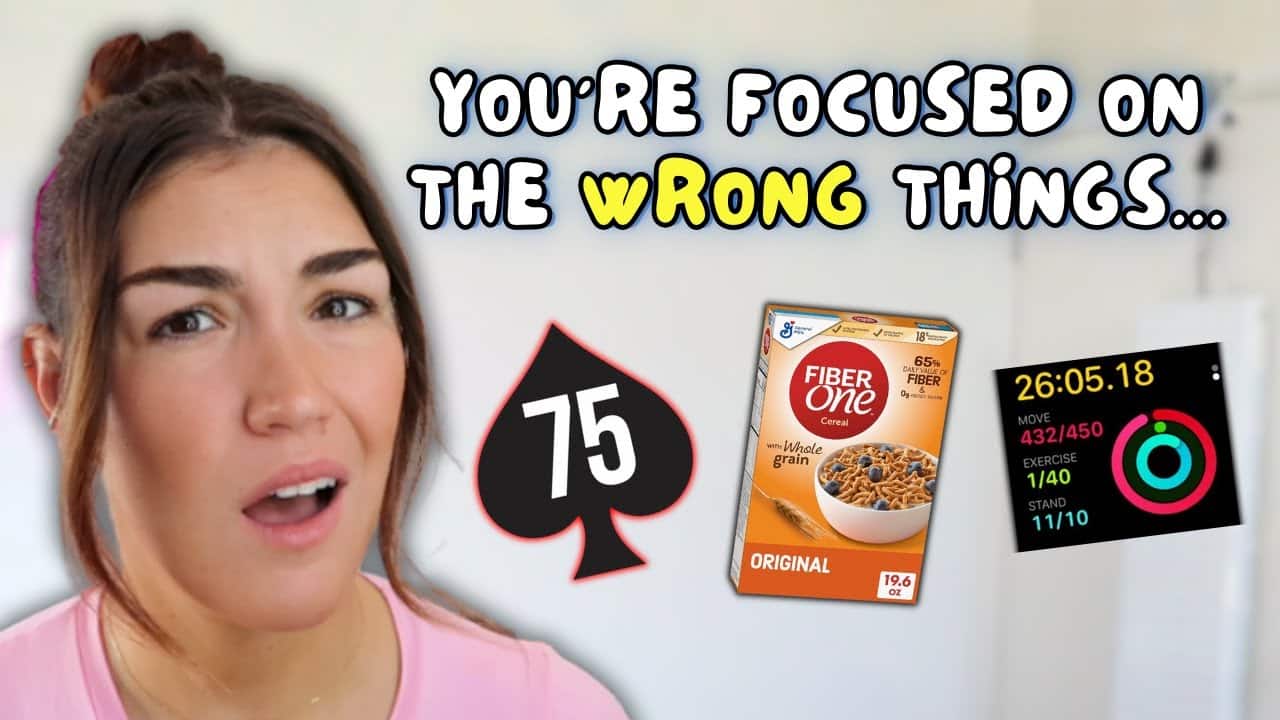
Most people are stressing about the wrong things when it comes to weight loss. Low sodium diets, fiber targets, avoiding every blood sugar spike, hitting exactly 10000 steps, detoxes, challenges, cortisol fear. None of it matters the way you think it does.
In this episode, I break down the ten things I could not care less about when it comes to losing weight, especially if you have insulin resistance. These are the rules that create stress, guilt, and confusion but do nothing for your metabolism. You will learn what actually matters for fat loss, blood sugar, hunger regulation, and long term results.
⸻
⭐️ Work With Me → https://hckait.com/bloodsugarreset
🤝 Healthy Not Complicated Community → https://hckait.com/broadcastchannel
🎧 Healthy Not Complicated Podcast → https://hckait.com/podcast
Hi, I’m Kait Malthaner (aka Health Coach Kait), a certified health and nutrition coach specializing in blood sugar balance and reversing insulin resistance. I help you simplify health so you can naturally lower blood sugar, A1c, and blood pressure, lose stubborn belly fat, and feel your best again. Getting healthy doesn’t have to be complicated. Small changes lead to big results.
⸻
Recommended Products & Discounts
🩸 At-Home Insulin Resistance Test (Code: KAIT10) → https://hckait.com/getsowell
🧂 Electrolytes (Code: HCK15) → https://hckait.com/sodiielectrolytes
💫 Berberine (Code: KAIT10) → https://hckait.com/getsobalanced
🩷 Inositol (Code: KAIT10) → https://hckait.com/getsosynced
🥤 Blood Sugar Drinks (Code: KAIT15) → https://hckait.com/goodidea
💪 Protein Powder (Code: HCK15) → https://hckait.com/protein
🔥 CKM (Code: KAIT15) → https://hckait.com/ckm
📱 CGM (Code: ULTRAKAIT15) → https://hckait.com/cgm
⸻
Timestamps
00:00 Intro
01:31 You’re not lazy if you can’t lose weight
02:23 #1 Being afraid of cortisol spikes
05:06 #2 Low sodium diets
08:04 #3 Hitting 30g of fiber
11:07 #4 Avoiding all blood sugar spikes
13:20 The Sip With Sodii (Q&A segment)
17:10 #5 30 day challenges
18:04 #6 10,000 steps a day
19:15 Hydration break with Sodii
19:33 #7 Cleanses and detoxes
20:35 #8 75 Hard Challenge
21:58 #9 Perfect macros
24:04 #10 Eating small, frequent meals to keep metabolism up
⸻
Disclaimer:
This video is for informational purposes only and is not a substitute for professional medical advice. Always consult your doctor regarding any medical concerns. Some links are affiliate links, meaning I may earn a small commission at no extra cost to you. I only recommend products I personally use, trust, and love.