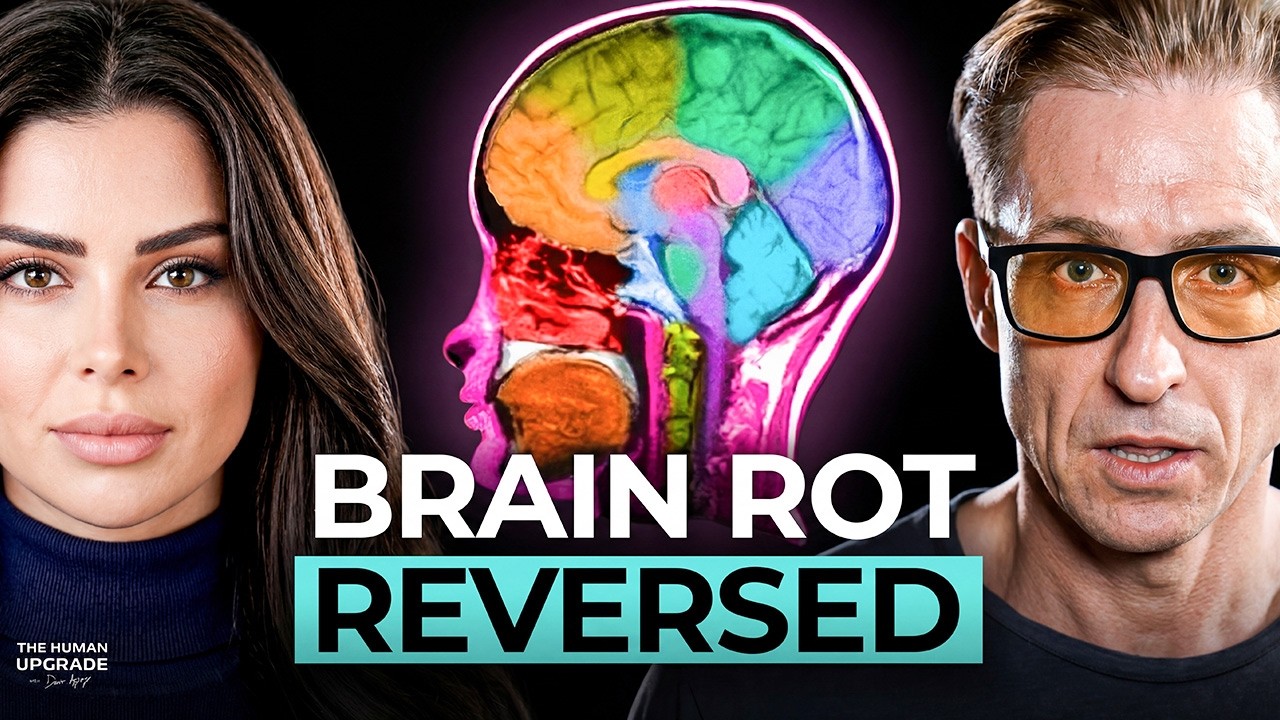
- The concept of brain plasticity and its relationship to plastic exposure
- The impact of dietary choices on brain health and plasticity
- Methods to reduce plastic buildup in the brain and body
- The role of insulin sensitivity in brain function and plasticity
- Practical steps for fostering a healthier brain environment
Understanding the human brain involves appreciating its remarkable ability to adapt, commonly known as neuroplasticity. The brain is composed of approximately 0.5% plastic, predominantly from exposure to environmental toxins, including polyvinyl chloride (PVC) and polystyrene. This plastic accumulation can potentially alter brain function, leading to cognitive decline and other metabolic conditions.
Neuroplasticity enables the brain to reorganize itself by forming new neural connections throughout life. This process is essential for learning, memory, and recovery from injury. However, the mounting presence of plastic in our daily lives challenges this innate ability. Everyday items—such as water bottles, food containers, and even some household products—often contain chemicals that can infiltrate our systems. Studies have shown that certain plastics disrupt hormonal balance and can negatively impact brain activity.
Diet plays a crucial role in maintaining overall brain health and promoting neuroplasticity. Foods high in antioxidants, omega-3 fatty acids, and essential vitamins support cognitive function and may help counteract the effects of plastic exposure. Berries, fatty fish, nuts, and leafy greens are examples of such brain-healthy foods.
Insulin sensitivity is another vital aspect connected to brain health. Insulin resistance can lead to a range of issues, from weight gain to systemic inflammation. Recent research indicates that high sugar and refined carbohydrate diets can diminish insulin sensitivity, thereby influencing cognitive function. Improved insulin sensitivity, in contrast, can promote brain health by enhancing energy availability for neural processes.
To flush out plastic from the body and brain, there are several strategies to consider. Hydration is paramount; drinking ample amounts of clean water not only aids in flushing toxins but also improves overall metabolic function. Incorporating detoxifying foods like cruciferous vegetables (broccoli, kale, cauliflower) can enhance liver function, supporting the body’s natural detox processes.
Physical activity further contributes to flushing out environmental toxins. Regular exercise promotes blood circulation and increases the transport of nutrients to the brain while escorting waste products away. Engaging in aerobic activities can stimulate neuroplasticity by enhancing blood flow to the brain and stimulating the production of brain-derived neurotrophic factor (BDNF), a protein crucial for neuronal growth and survival.
Furthermore, mindfulness practices, including meditation and yoga, can influence brain chemistry positively. These practices promote relaxation and mental clarity, potentially counteracting stress-induced neuroinflammation—an adverse factor in brain health.
Dietary changes are essential for promoting insulin sensitivity and brain wellness. Reducing sugar intake lowers insulin demand, preventing spikes that can lead to resistance. Choosing complex carbohydrates from whole grains rather than processed foods ensures a steady blood sugar level. Incorporating fiber-rich foods keeps the digestive system functioning efficiently and helps to control appetite, which is vital for maintaining healthy body composition.
In addition to dietary adjustments, adequate sleep cannot be overlooked. Poor sleep impacts cognitive function and hormonal regulation, including insulin. Consistently getting quality sleep can lead to improved insulin sensitivity and cognitive performance, reinforcing the mind’s plasticity.
Additionally, social interaction is significant for brain health. Engaging in meaningful conversations and productive relationships can promote the brain’s adaptability, enhancing cognitive flexibility and emotional resilience. The social aspect of life stimulates the brain, encouraging emotional and intellectual growth, which is essential for neuroplastic development.
In summary, addressing the presence of plastic in the brain involves a multi-faceted approach. By opting for a diet that supports metabolic health, focusing on insulin sensitivity, and adopting a lifestyle that prioritizes fluid intake, exercise, and social interactions, one can flush the brain of toxin buildup. Being mindful of plastics in the environment also plays a part. Simple habit changes, such as using glass or stainless-steel containers and seeking alternative lifestyle choices, contribute to reducing overall plastic exposure.
The brain’s ability to remain adaptable is astonishing, yet it requires a nurturing environment to thrive fully. Making informed decisions about food, lifestyle habits, and environmental exposures can create a more conducive atmosphere for preserving brain function and enhancing cognitive abilities. Embracing this holistic approach may very well lead one to improved mental agility and clarity while countering the adverse effects of plastic that so prominently affects modern living.
*****
Source Description
Microplastics are invading your brain, blood, hormones, and fat tissue, and most people have no idea how deep the damage goes. In this episode, Host Dave Asprey and microplastics expert Josephine Musco break down exactly what these particles are doing inside your body and give you a practical, science-backed action plan to detox, protect yourself, and take back control of your biology.
-Get a discount on Olyxir Tea by going to https://www.olyxir.com/ and using code ‘Dave10’ at checkout
Josephine Musco is a multidisciplinary entrepreneur, Demeter-certified biodynamic farmer, and winemaker at Chateau Bellevue 1881 in Livermore, California. She is the founder of Olyxir Tea Strips and holds two scientific patents rooted in her deep expertise in botanical medicine and regenerative health. She is best known for translating complex research on aging, nutrition, environmental toxins, and functional medicine into practical daily habits, and for her work exposing microplastics and PFAs as one of the most underestimated drivers of accelerated biological aging.
Dave Asprey and Josephine cover the full picture: how nanoplastics cross the blood-brain barrier and accumulate in postmortem brain tissue, how endocrine disruption from plastics tanks testosterone and drives fat storage, and why your teabag, canned soup, and yoga pants may be among your biggest sources of daily exposure. They also go deep on real solutions, from lymphatic drainage protocols and infrared sauna to supplements like chlorella, lactobacillus, and olive leaf polyphenols that actively help the body clear microplastics and support longevity and brain optimization.
You’ll Learn:
-Why 0.5 percent of postmortem brain tissue is now made of microplastics and what that means for neuroplasticity and cognitive decline
-How microplastics mimic estrogen, disrupt metabolism, and make it nearly impossible to lose fat
-The link between microplastic plaque in carotid arteries and a 4.5x increased risk of cardiac events
-Which everyday sources, including teabags, canned soup, cookware, and plastic cutting boards, are silently loading your body with nanoplastics
-How lactobacillus reduced microplastics in the blood by 82 percent in studies, and which other supplements support detox
-Why Dave Asprey drinks Danger Coffee from a metal container and what his full microplastic reduction protocol looks like
-How olive leaf polyphenols, with 26,215 micrograms per gram, act as powerful free radical scavengers to support brain optimization and anti-aging
-The morning lymphatic activation routine that combines rebounding, herbal strips, and whole body vibration for deep cellular detox
-Why AI and citizen science are accelerating our understanding of microplastic damage faster than traditional medicine
Resources:
• Get a discount on Olyxir Tea by going to https://www.olyxir.com/ and using code ‘Dave10’ at checkout
• Get My 2026 Clean Nicotine Roadmap | Enroll for free at https://daveasprey.com/2026-clean-nicotine-roadmap/
• Dave Asprey’s Latest News | Go to https://daveasprey.com/ to join Inside Track today.
Thank you to our sponsors!
-The One Device | Use code DAVE for $10 off at http://theonedevice.com/dave
-HeartMath | Go to https://www.heartmath.com/dave to save 15% off.
-Igniton | Go to Igniton.com and use code DAVE to save 15% off.
-Puori | Go to http://Puori.com/DAVE or use code DAVE at checkout to get 32% off your Puori Fish Oil subscription. You save more than $18.
Timestamps:
00:00 – Introduction
03:00 – Microplastics in the Brain
08:40 – Olyxir Tea Strip Solution
10:10 – Health Impacts & Weight Gain
11:05 – Environmental Solutions
14:29 – The Teabag Problem
18:57 – How to Remove Microplastics
22:04 – Olive Leaf Benefits
28:26 – Josephine’s Scientific Background
33:00 – Guarana & Lymphatic Support
34:22 – Skincare & Microplastics
36:38 – Sauna Protocol
44:19 – Household Exposure Sources
47:18 – Workout Clothing Risk
48:59 – Leather vs Synthetic Fashion
50:54 – Pregnancy & Fertility
54:20 – Closing & Discount Code
Connect with Dave Asprey!
Website: https://daveasprey.com
TikTok: https://www.tiktok.com/@daveaspreyofficial
Instagram: https://www.instagram.com/dave.asprey/
Facebook: https://www.facebook.com/Daveaspreyofficial/
X: https://x.com/daveasprey
YouTube: https://www.youtube.com/c/daveaspreybpr
The Human Upgrade Podcast: https://www.instagram.com/TheHumanUpgradePodcast/ https://m.facebook.com/Thehumanupgrade/
Danger Coffee: https://dangercoffee.com/DAVE15
Dave Asprey’s BEYOND Conference: https://beyondconference.com/
Dave Asprey’s New Book – Heavily Meditated: https://daveasprey.com/heavily-meditated/
Dave’s favorite supplements: https://www.shopsuppgradelabs.com/discount/DAVE15
Join my Substack: https://substack.daveasprey.com
Upgrade Labs: https://upgradelabs.com
40 Years of Zen: https://40yearsofzen.com