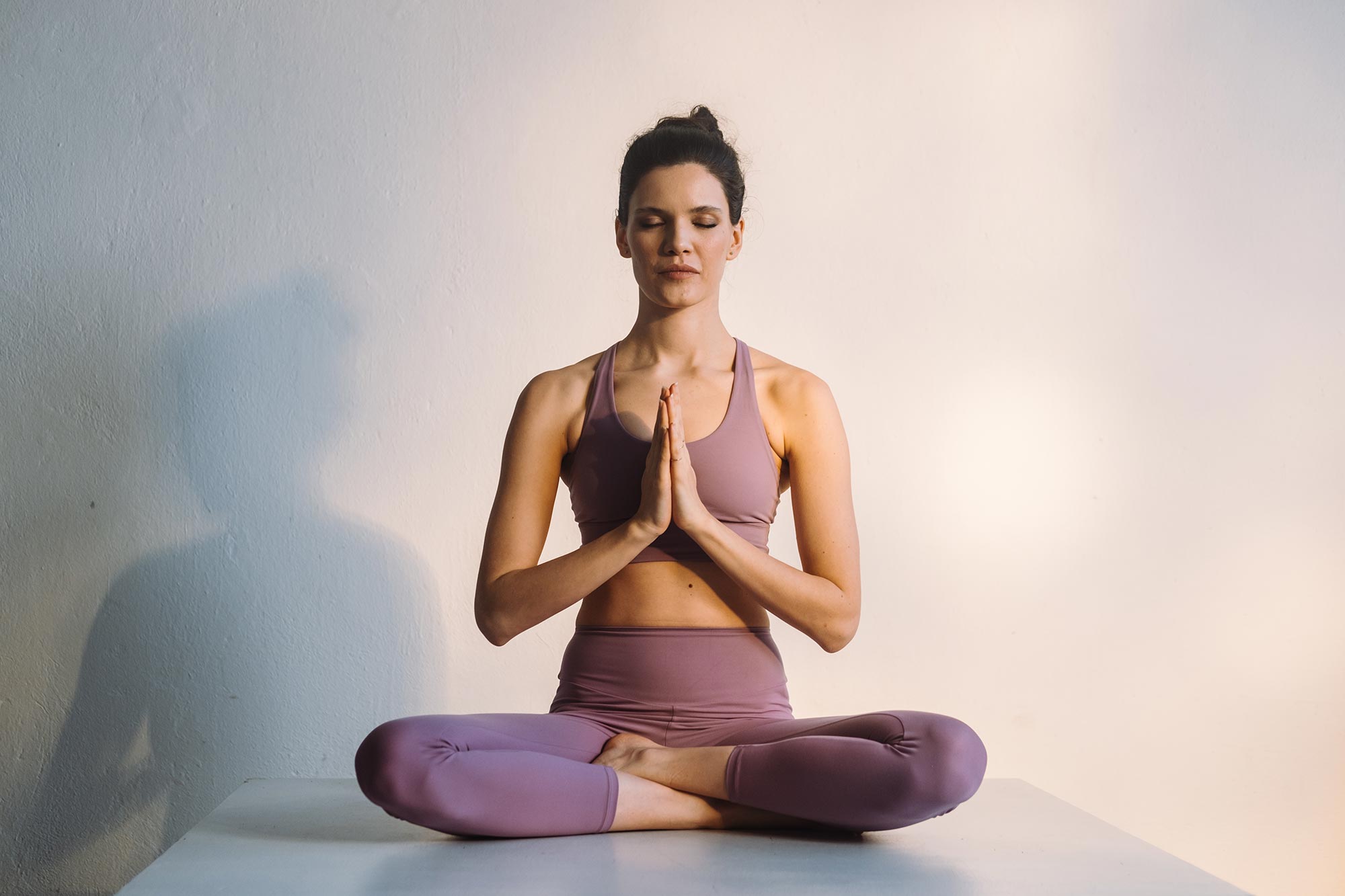
Summary of Contrary to Popular Belief, Yoga Isn’t the Best for Your Arteries:
Research published in Advances in Integrative Medicine indicates that yoga may not be as effective as traditional exercise for improving vascular health. While yoga offers benefits, structured workouts such as Tai Chi, Pilates, and high-intensity interval training show more consistent results in enhancing vascular function, particularly in sedentary adults. Vascular health, crucially associated with flexible blood vessels, is better supported by consistent and varied exercise routines. The study emphasizes that movement is vital, noting that prolonged sitting negatively impacts vascular health. Although yoga remains culturally significant and accessible, those seeking cardiovascular benefits may need to combine it with more vigorous exercise. The findings suggest a need for nuanced physical activity recommendations, highlighting exercise as a key strategy for better vascular health.
*****
Summary
- Yoga vs. Traditional Exercise: Despite yoga’s popularity, research suggests it’s less effective for vascular health compared to structured workouts.
- Vascular Function: Key to cardiovascular well-being, this function can be compromised by sedentary lifestyles but improved through specific exercises.
- Movement Matters: Emphasizing the necessity of consistent and varied physical activity to keep arteries supple and prevent cardiovascular diseases.
- Cultural Significance of Yoga: While deeply rooted culturally, yoga should ideally be paired with more vigorous exercises for optimal vascular benefits.
- Holistic Health Approach: Integrating a mix of exercise forms could better serve those seeking comprehensive health solutions.
The Unfolding Influence of Exercise on Vascular Health
When you hear the word "yoga," what comes to mind? Serene landscapes, perhaps, or the tranquility of mindfulness. Yet, nestled in the realm of cardiovascular health, the call to vigorous, structured exercise rings louder than ever. Welcome to a journey into the heart of health where science meets tradition and where myths unravel.
The Duality of Movement and Stillness
In a world increasingly leaning towards wellness, yoga has established itself as a sanctuary for both the body and mind. Yet, despite its widespread acclaim, new research suggests that yoga alone may not be the panacea for vascular health many believe it to be. This revelation doesn’t diminish yoga’s worth but rather invites a broader exploration of movement.
Exercise is often seen as the antidote to modern sedentary lifestyles. But what kind? Herein lies the golden question.
Understanding Vascular Function
Let’s delve into the mechanics. Vascular function describes the ability of blood vessels to expand and contract, ensuring efficient blood delivery across the body. Think of your arteries as nimble garden hoses; flexibility is their lifeline. A lifestyle marred by inactivity can stiffen these vessels, snowballing into chronic risks like hypertension and heart disease.
Research underscores the power of structured exercise—activities that consistently demand varying levels of intensity—to foster resilient arteries. High-intensity interval training, Pilates, Tai Chi: each offers a distinct benefit bouquet. They’re the fertilizers for our arterial garden, keeping it lush and thriving.
Yoga: A Complement, Not a Complete Solution
For the 300 million yoga enthusiasts worldwide, this might sound a tad unsettling. Dr. Leena David, a respected voice in medical imaging, analogizes: “Structured exercise keeps those hoses flexible, while yoga provides some benefits but not as reliably.” It’s a gentle nudge to reassess and realign our understanding.
Still, it’s crucial to note yoga’s considerable benefits beyond the physical. It’s a soul-soothing voyage, an exceptional tool for mental well-being. But for pure cardiovascular prowess? A little more might be required.
Movement as Medicine
Prolonged periods parked before screens or desks—this is the new epidemic dubbed “the new smoking.” Its innocuous presence subtly chisels away at our vascular health, one immobile hour at a time. The solution? Movement—and not just any; purpose-driven, variety-rich activity.
“Every workout helps them forget the damage of sitting all day,” Dr. David aptly highlights. Picture this: Every step, every stretch, erases a little more of inactivity’s aftermath.
Structured exercise programs, tailored apps, and smart interventions promise a dynamic shift. They paint an exciting canvas for people of all ages, unlocking the potential of an active, healthier tomorrow.
Bridging Tradition and Modernity
This isn’t a call to abandon yoga. Far from it. Yoga’s role as a culturally rich, accessible intervention remains undisputed. Yet, it invites us to look beyond—to embrace complementary practices enhancing overall health.
Consider this an invitation to dance on the edge of tradition and innovation. Imagine the impact: Public health messages that inspire a mosaic of movement styles.
The premise is simple yet profound. Movement is medicine. Imagine a future where healthcare providers prescribe exercise akin to medication, targeted and deliberate, focusing on enhancing vascular function.
Crafting Your Unique Exercise Palette
If all this talk of structured exercise has you envisioning grueling workouts, pause. It’s far from a one-size-fits-all narrative. The beauty is in its diversity, where intensity meets intention.
Venture into Tai Chi’s graceful realms or embrace Pilates’ precision. Perhaps, a burst of high-intensity intervals ignites your zest for life. Each form, a brushstroke painting your cardiovascular masterpiece.
For younger audiences, this may flip the narrative of invincibility. For those older, it’s an affirmation that change and improvement embrace all ages. Remember, your arteries are resilient storytellers—etching tales of every walk, every challenge, every move.
Embracing a Holistic Health Horizon
At its core, this isn’t just about exercise; it’s a movement revolution. It’s about synergy—melding yoga’s psychological peace with the kinetic energy of other exercises. This orchestration crafts a symphony of well-being.
Visualize public health campaigns, creative and compelling, championing this balanced approach. Exercise is not merely a chore; it’s an opportunity—a gift of protection we grant our bodies.
Remember, your health isn’t just a destination—it’s a journey. A dynamic, ever-evolving adventure crafted by each choice and every movement.
The Role of Motivation and Consistency
Now, step into the arena of motivation. Committing to consistent physical activity requires more than awareness—it demands willpower, inspiration, and often, community. Surround yourself with supportive networks or find solace in solitude’s reflection.
Forge a path that ignites joy, and celebrate milestones, however small. Consistency isn’t monotonous; it’s the rhythm of your story.
Conclusion: The Promise of Movement
This isn’t an end, but a beginning. A call to look within and around, identifying what moves you. Exercise, in its myriad forms, offers more than physical transitions. It’s about becoming, evolving—a celebration of the living, breathing entity that you are.
Stand at this crossroads with curiosity, courage, and kindness as your guides. The journey to enhanced vascular health isn’t carved in stone—it’s an open canvas, awaiting your unique imprint.
Harness the power of motion; let it embolden you. After all, the heart, much like life, beats best when on the move.

