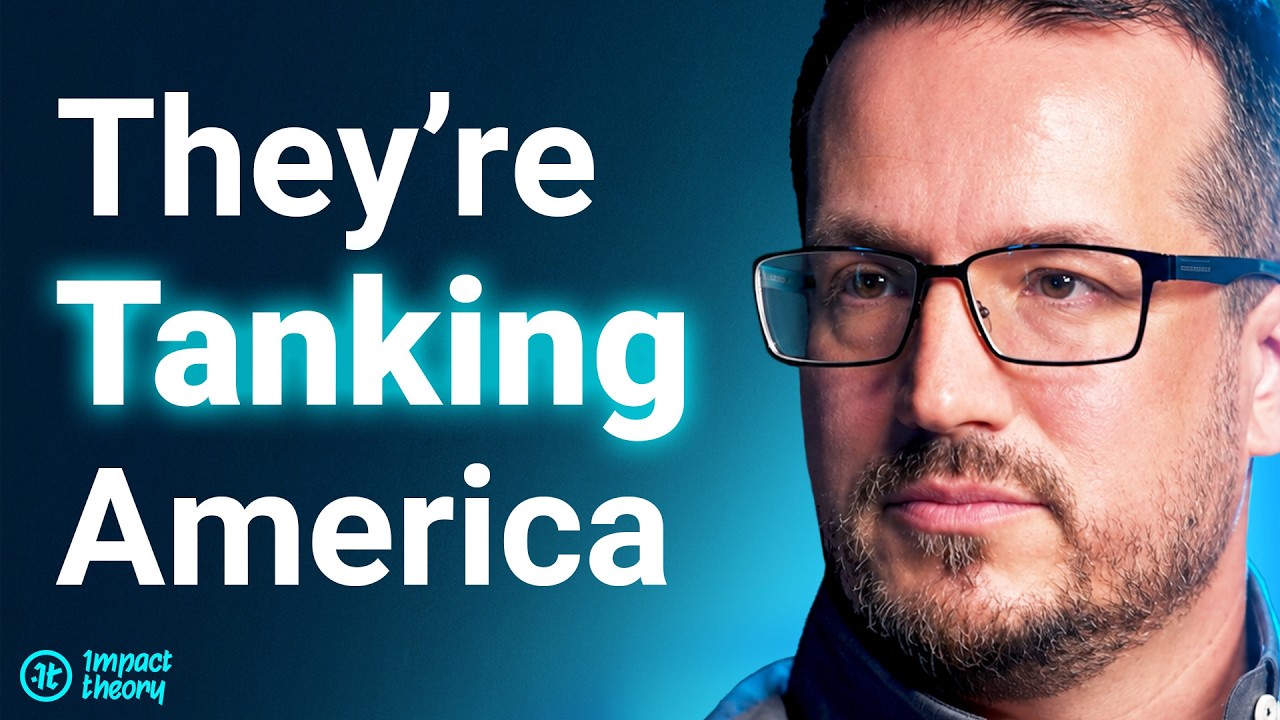
- The implications of deliberate societal changes impacting health and nutrition
- The connection between metabolic health and lifestyle choices
- The role of insulin sensitivity in chronic disease
- Strategies for improving metabolic health
- The future of diet and nutrition in America
In recent discussions about health in America, significant attention has surfaced around the strategic shifts shaping the nation’s health landscape. These shifts raise critical questions about the nutrition choices available to Americans and their overall implications on public health. An underlying motive appears to be a deliberate winding down of health-conscious resources, leaving a gap that could exacerbate existing health issues.
This landscape is influenced by various factors, including government regulations, financial incentives, and the prevalence of processed foods. These elements contribute to an environment where healthy options become increasingly hard to find, potentially leading to widespread metabolic disease. An informed populace is essential to combat this shift, emphasizing the need for awareness of nutritional choices and their significance to individual health.
Metabolic health is intrinsically linked to lifestyle choices. This is critical for understanding how a nation’s nutrition strategy can affect public health. A lifestyle that prioritizes processed foods high in sugars and low in nutrients fundamentally alters one’s metabolism. This leads to metabolic syndrome, a cluster of conditions—including hypertension, high blood sugar, and abnormal cholesterol levels.
Understanding the intricacies of metabolic function provides insight into how our bodies process food and utilize energy. Insulin, a hormone produced by the pancreas, plays a pivotal role in this process. Insulin sensitivity is vital for preventing diseases such as type 2 diabetes. When cells become resistant to insulin, glucose levels in the bloodstream rise, triggering a cascade of health complications.
Many modern diets are high in refined carbohydrates and sugars, which can diminish insulin sensitivity over time. This fuels further obesity and chronic diseases, illustrating the need for immediate dietary intervention. A shift back toward whole foods—fruits, vegetables, and lean proteins—has been shown to improve insulin sensitivity. Educating the population on these nutritional choices can be transformative, especially amid a systematic push towards unhealthy eating habits.
Strategies to improve metabolic health hinge on dietary modifications and lifestyle changes. Incorporating more physical activity into daily routines boosts metabolism, enabling better energy utilization and insulin handling. Simple practices—such as walking daily or engaging in regular strength training—can significantly impact metabolic health. These activities not only improve muscle mass but also enhance insulin sensitivity, acting as a protective mechanism against metabolic disorders.
Nutrition education can lead to substantial improvements. Knowing the nutritional value of food can empower individuals to make informed decisions. Reading food labels, understanding the impact of sugar and processed ingredients, and learning to prepare meals at home can aid in building healthier eating habits.
Unfortunately, the future outlook for diet and nutrition in America raises concerns. The encroachment of corporate interests into food production often prioritizes profit over public health. The availability of cheap, processed food undermines the importance of whole foods. Education and access must go hand in hand if there is to be a significant shift toward better health outcomes.
Public health initiatives should focus on creating environments that support healthy choices. This includes policies that make fresh produce more accessible, subsidies for farmers who prioritize organic farming, and community programs that advocate for nutritional education. By integrating these changes, a more supportive framework for sustainable health improvement can emerge.
Furthermore, metabolic health and its relation to societal health are interrelated. Recognizing this connection paves the way for constructive policy discussions and health initiatives that aim to empower the public. By highlighting the importance of insulin sensitivity and metabolic function, it becomes imperative to advocate for a nutritional landscape that prioritizes health, well-being, and quality of life.
As Americans navigate through the complexities presented by an evolving food economy, choices have lasting impacts. Each meal represents an opportunity to contribute to personal and societal health. Understanding these implications fosters a culture where informed decision-making is celebrated, empowering individuals to take charge of their health.
The objective lies in dismantling the barriers imposed by unhealthy eating patterns, enabling a shift back to intuitive and nourishing food choices. Building awareness about the importance of insulin sensitivity might revolutionize how individuals approach their diets.
This transformation will require collective efforts, not just from individuals but also from governments, communities, and organizations. Health professionals, educators, and advocates need to foster dialogues around nutrition education and policy reform. Only through collaboration can a holistic approach be implemented, addressing the far-reaching implications these health issues can have on society.
Addressing the challenges posed by deliberate social changes requires persistence and innovation. It is vital to encourage policies that guide individuals toward better dietary practices. A more informed public can advocate for change, supporting a shift in the food environment that prioritizes health over profit.
The intentional winding down of health resources should serve as a wake-up call. It demands collective action to enhance nutritional education and accessibility, minimizing the detrimental effects of processed and unhealthy foods. As individuals commit to altering their dietary patterns, the ripple effect can inspire communities to focus on prioritizing metabolic health.
By enhancing public awareness of these pressing issues, a strong movement can emerge. It will bridge gaps in health outcomes, shifting paradigms towards more thoughtful consumption of natural foods. A focus on energy balance, nutrient-dense options, and lifestyle modifications can facilitate a return to better health standards.
Making these informed choices confronts the existing nutritional landscape and creates ripples of change throughout the community. Understanding the implications of insulin sensitivity in metabolic health provides the motivation and framework for individuals committed to improving their health and the health of future generations.
Navigating through these crucial issues sets the stage for a more sustainable approach to diet. By focusing on these vital aspects, collective efforts can galvanize meaningful change amid an otherwise challenging environment. It fosters a burgeoning interest in nutrient-rich foods, revealing innate benefits that empower individuals toward healthier lifestyles.
*****
Source Description
Incogni: Take your personal data back with Incogni! Use code IMPACT at the link below and get 60% off an annual plan: https://incogni.com/impact
Ketone IQ: Visit https://ketone.com/IMPACT for 30% OFF your subscription order
The financial system isn’t broken — it’s working exactly as designed. Former investment banker Simon Dixon spent years inside the machine before walking away entirely. What he found: wars aren’t started for ideology, they’re started for revenue. Politicians don’t govern, they audition. And the company most people have never heard of controls more capital than most countries.
Simon breaks down the three power structures that sit above governments, why central banking is a structural Ponzi scheme, how BlackRock’s AI system controls $25 trillion in capital allocation, who he believes really created Bitcoin — and why that person is now dead.
Plus: the one thing they don’t want you to do with your money.
Simon Dixon: https://x.com/SimonDixon_
SimonDixon.com
00:00 Intro
00:33 Understanding The Power Structures Controlling The World
27:00 How Financial Networks Weld Influence
40:41 Military Testing Caused Gaza
52:39 Origins of the Financial Industrial Complex
01:05:19 Understanding Global Power Dynamics
01:14:17 The 1953 CIA Coup in Iran They Just Repeated
01:32:03 Discussing China’s Global Role
01:41:56 How US Energy Independence Backfired
02:01:47 Decentralization vs Centralization Currency Debate
02:14:05 Who Is Satoshi?
Welcome to Impact Theory with Tom Bilyeu. In today’s episode, Tom sits down with Simon Dixon, a leading thinker known for his unconventional perspectives on global power dynamics and financial systems. Together, they decode the hidden structures that shape our world—from the military, financial, and technological industrial complexes to the influential role of central banks and sovereign wealth funds. Simon unpacks how nations, corporations, and transnational capital jockey for control, the realities behind political theater, and why government and “the people” often serve as pawns in larger games of influence. As we stand on the brink of a global economic transition, Simon offers insight into how emerging multipolar power centers may redefine the world order—and what individuals can do to navigate or exit these systems. If you want to understand the mechanisms at play behind modern geopolitics, finance, and technology—and how to reclaim sovereignty in the midst of it all—this episode is not to be missed.
Sign up for my AI Masterclass: https://tombilyeu.com/ai-masterclass
Check us out wherever you get your podcasts:
Spotify:https://open.spotify.com/show/1nARKz2vTIOb7gC9dusE4b?si=a8daffd2bf1f48fd
Apple: https://podcasts.apple.com/us/podcast/tom-bilyeus-impact-theory/id1191775648
Do you need my help?
STARTING a business: join me here inside ZERO TO FOUNDER (https://tombilyeu.com/zero-to-founder)
Get the exact systems, mindset shifts, and principles that built a $1B brand delivered straight to your inbox every week. Subscribe for free (https://tombilyeu.com)
Check out our Video game – Project Kyzen: (https://projectkyzen.io/)
Catch Me Streaming on Twitch – (https://twitch.tv/tombilyeu)
Link to IT discord: https://discord.gg/TZKJ2etPbT
Tom’s Favorite Things List: https://amzn.to/41Ftt7e
FOLLOW TOM:
Instagram: https://www.instagram.com/tombilyeu/
Tik Tok: https://www.tiktok.com/@tombilyeu?lang=en
Twitter: https://twitter.com/tombilyeu
YouTube: https://www.youtube.com/@TomBilyeu