- A deeper understanding of iodine’s role in thyroid function
- Reasons why iodine supplementation might not yield expected results
- The impact of dietary factors on thyroid health
- The importance of mineral balance in thyroid hormone production
- Recognizing other potential causes of thyroid dysfunction
Iodine is an essential element that plays a critical role in the functioning of the thyroid gland. This small gland, located in the neck, regulates metabolism, energy levels, and overall health by producing hormones like thyroxine (T4) and triiodothyronine (T3). The absorption and utilization of iodine in the body directly influence thyroid hormone production. However, many people find that despite supplementing with iodine, their thyroid function remains sluggish. The reasons for this can be complex and multifaceted.
Understanding iodine’s role in thyroid health is crucial. Iodine is a key component of thyroid hormones. Without adequate iodine, the thyroid can’t produce enough hormones, leading to hypothyroidism, a condition characterized by fatigue, weight gain, and cold intolerance. While iodine deficiency is a well-known cause of thyroid dysfunction, many individuals consume adequate amounts through diet or supplements but still experience symptoms of a slow thyroid.
One primary reason iodine supplementation may not yield the desired outcome is absorption issues. The intestinal tract must be healthy and capable of efficiently absorbing iodine for supplementation to be effective. Factors that compromise gut health, such as dysbiosis, inflammatory bowel disease, or conditions like celiac disease, can hinder iodine uptake. It’s essential to maintain proper gut microbiota and avoid any gastrointestinal conditions that may impede nutrient absorption.
Dietary components also play a significant role in thyroid function. Certain foods can interfere with iodine availability or thyroid hormone synthesis. Goitrogens, substances found in certain cruciferous vegetables like broccoli, Brussels sprouts, and kale, can inhibit thyroid function when consumed in large quantities, particularly in individuals with low iodine status. Cooking can often reduce the goitrogenic activity of these foods, but individuals relying heavily on these vegetables should be aware of their potential impact.
Inadequate iodine intake can be a contributing factor, but excess iodine can also provoke thyroid dysfunction. The thyroid gland has a remarkable ability to adapt to varying iodine levels. However, excessive iodine intake can lead to a condition known as iodine-induced hyperthyroidism or autoimmunity, further complicating the hormonal balance. Monitoring iodine levels and obtaining them from a balanced diet is often a safer approach than high-dose supplementation.
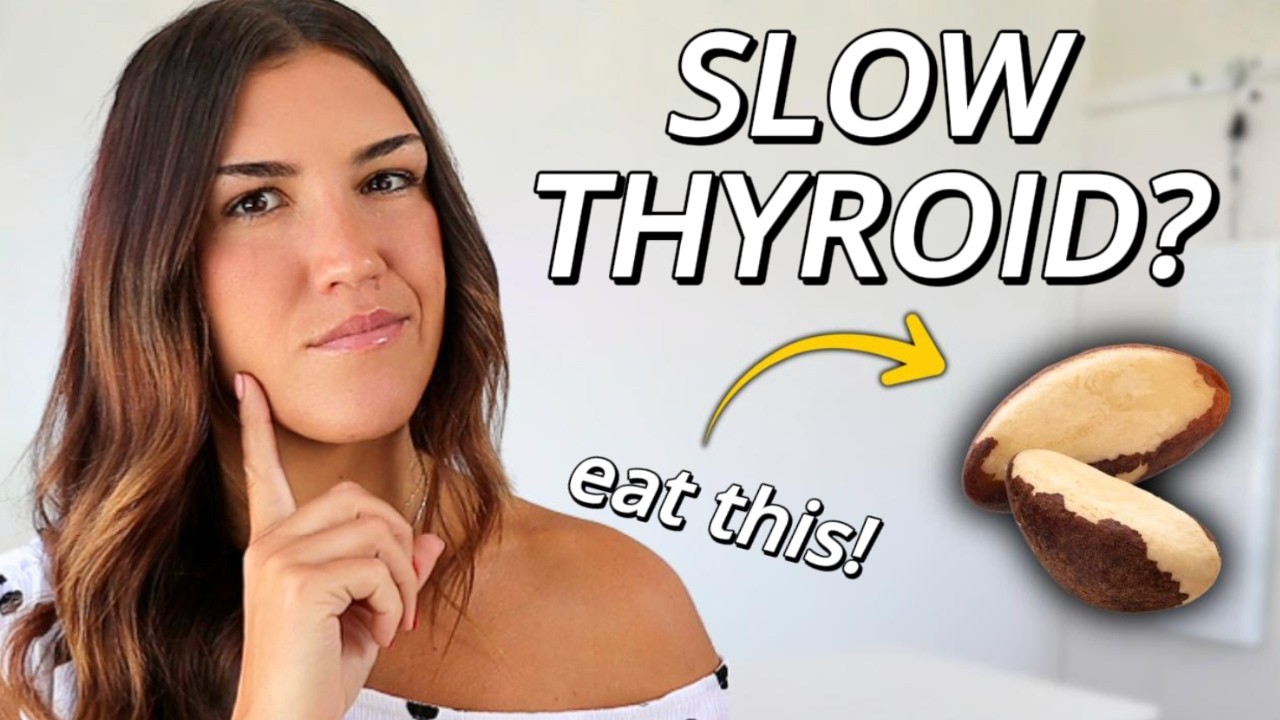
Beyond iodine, the balance of other minerals is vital for optimal thyroid function. For instance, selenium plays an important role in converting T4 into T3, the more active thyroid hormone. A deficiency in selenium can lead to a lack of T3 and, consequently, diminished metabolic activities. Foods rich in selenium include Brazil nuts, sunflower seeds, fish, and eggs. Likewise, zinc is another essential mineral that supports thyroid hormone production. A deficiency in zinc can lead to reduced thyroid function. Including a range of minerals in the diet is crucial for overall thyroid health.
Another factor to consider is the role of insulin sensitivity and metabolic health. Insulin resistance can lead to alterations in thyroid hormone metabolism, impacting the overall effectiveness of iodine supplements. When cells become resistant to insulin, it leads to an increase in systemic inflammation and can disrupt the delicate hormonal balance essential for thyroid function. Engaging in regular physical activity, consuming a balanced diet, and maintaining a healthy body weight are effective strategies to improve insulin sensitivity, thus contributing to better thyroid health.
In addition, underlying health conditions can affect thyroid function. Autoimmune diseases, particularly Hashimoto’s thyroiditis, can cause the immune system to attack the thyroid, leading to diminished hormone production despite adequate iodine intake. Chronic stress, lifestyle choices, and exposure to environmental toxins can elevate inflammation and disrupt hormone regulation. Addressing these root causes is necessary for improving thyroid function and alleviating symptoms.
The medications one may be taking can also affect iodine levels and overall thyroid health. Certain drugs, like lithium or amiodarone, can interfere with thyroid hormone synthesis or metabolism. Individuals on these medications should have their thyroid levels monitored regularly, particularly if they are experiencing fatigue or weight gain.
Not all seemingly related symptoms point directly to iodine deficiency. For many, fatigue or unexplained weight gain can stem from a myriad of factors beyond thyroid function. Sleep disturbances, mental health issues, or chronic fatigue syndrome can mimic hypothyroid symptoms. A comprehensive evaluation involving more than just a thyroid panel will often yield a clearer understanding of an individual’s overall metabolism and health.
Bringing all these elements together, it becomes clear that a holistic approach is necessary for understanding why iodine supplements may not be effectively elevating thyroid function. Each individual presents a unique set of health variables. Monitoring iodine levels, maintaining a balanced diet enriched with essential minerals, and regularly assessing overall metabolic health are key factors in supporting thyroid wellness.
Thyroid health is intricately linked to numerous dietary and lifestyle factors. Relying solely on iodine supplements without addressing diet or underlying health conditions will likely lead to continued thyroid dysfunction. Engaging in a healthy lifestyle, focusing on gut health, and addressing mineral balance will ultimately promote more effective thyroid function and overall well-being. Balancing iodine intake through foods while considering other nutrition aspects creates a comprehensive strategy for maintaining thyroid health in the long run.
*****
Source Description
Iodine drops I use and recommend: https://hckait.com/iodine
Shop Brazil nuts online: https://hckait.com/brazilnuts
If you have been taking iodine for your thyroid and nothing is improving, this video explains why. Iodine cannot work on its own. Your thyroid needs selenium, zinc, iron, tyrosine, and enough protein to actually use iodine and convert it into thyroid hormones. Without these cofactors, iodine often does nothing, and in some people it can make symptoms worse.
Today I break down the exact nutrients you need alongside iodine, how to pair iodine with Brazil nuts for better absorption, and why your thyroid may still feel slow or underactive even if your iodine levels are normal.
⸻
⭐️ Work With Me → https://hckait.com/bloodsugarreset
🤝 Healthy Not Complicated Community → https://hckait.com/broadcastchannel
🎧 Healthy Not Complicated Podcast → https://hckait.com/podcast
Hi, I’m Kait Malthaner (aka Health Coach Kait), a certified health and nutrition coach specializing in blood sugar balance and reversing insulin resistance. I help you simplify health so you can naturally lower blood sugar, A1c, and blood pressure, lose stubborn belly fat, and feel your best again. Getting healthy doesn’t have to be complicated. Small changes lead to big results.
⸻
Recommended Products & Discounts
🩸 At-Home Insulin Resistance Test (Code: KAIT10) → https://hckait.com/getsowell
🧂 Electrolytes (Code: HCK15) → https://hckait.com/sodiielectrolytes
💫 Berberine (Code: KAIT10) → https://hckait.com/getsobalanced
🩷 Inositol (Code: KAIT10) → https://hckait.com/getsosynced
💪 Protein Powder (Code: HCK15) → https://hckait.com/protein
🔥 CKM (Code: KAIT15) → https://hckait.com/ckm
📱 CGM (Code: ULTRAKAIT15) → https://hckait.com/cgm
🍳 Non-toxic, non-stick cookware (Code: KAIT) → https://hckait.com/misen
⸻
Timestamps
0:00 Intro
1:05 Iodine does not work alone
2:03 Why selenium is a non-negotiable
3:06 Other nutrients your thyroid needs: tyrosine, zinc and iron
4:29 You might be taking iodine the wrong way
5:05 Your thyroid is prioritising repair, not hormone production
5:50 Iodine + Brazil nuts: the magic combo
6:30 How to use iodine to support your thyroid
⸻
Disclaimer:
This video is for informational purposes only and is not a substitute for professional medical advice. Always consult your doctor regarding any medical concerns. Some links are affiliate links, meaning I may earn a small commission at no extra cost to you. I only recommend products I personally use, trust, and love.