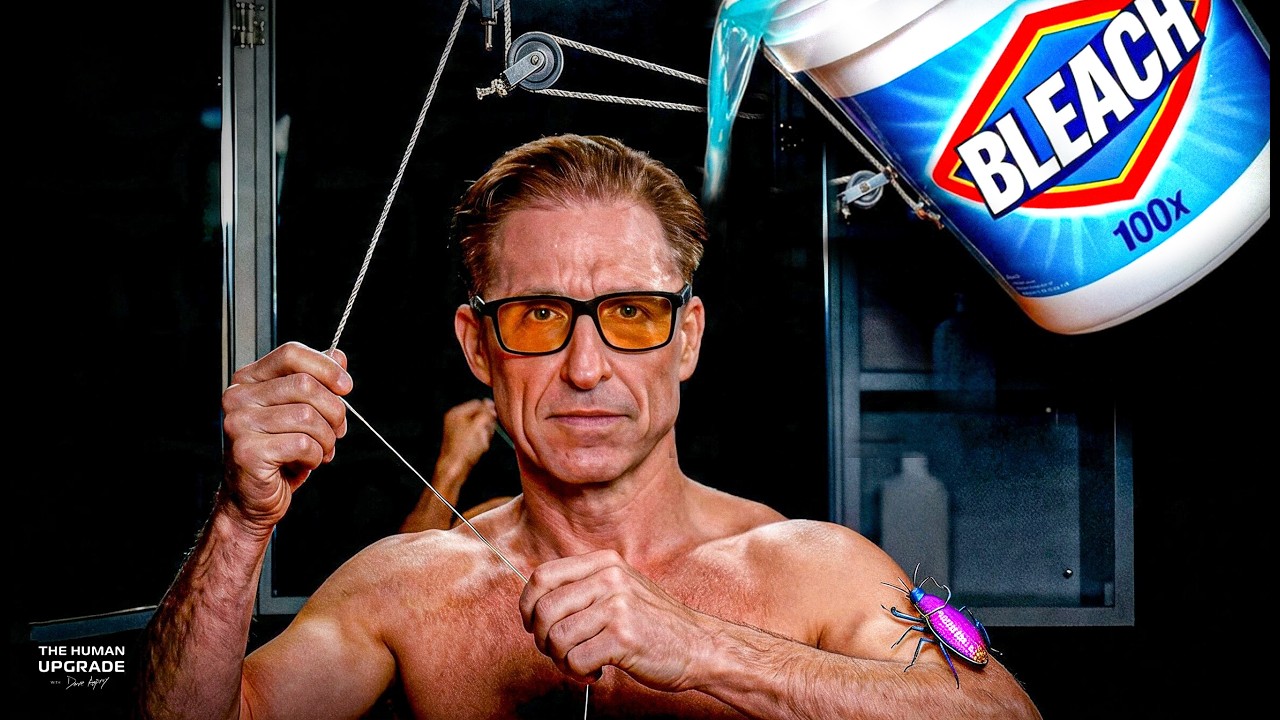
- Exploring the Dangers of Using 100x Bleach on Skin
- The Science Behind Skin Reactions to Chemicals
- Alternative Treatments for Skin Conditions
- Understanding Skin pH and Its Role in Health
- Safety Protocols and Professional Treatments
The conversation surrounding cosmetic treatments often encounters radical choices, including the use of bleach products on skin. The allure of achieving flawless skin can sometimes cloud judgment, leading individuals to consider methods that pose significant risks. This article explores the implications of using a highly concentrated bleach product—specifically 100x bleach—on facial skin condition, diving into the chemical reactions that may occur, the safety concerns, and healthier alternatives.
Using bleach, particularly in excessive concentrations, can lead to severe skin damage. The primary ingredient in many bleaching agents is sodium hypochlorite, a compound often found in household cleaning products. For context, when a person considers applying 100x bleach on their face, they are exposing their skin to an intense and potentially harmful substance. This concentration is far beyond what is safe or recommended for any skin application. When bleach interacts with the skin’s natural barrier, it can break down proteins, leading to irritation, rashes, discoloration, or even chemical burns.
The skin functions as a vital barrier, protecting the body from external harm, and introducing potent chemicals can disrupt this protective layer. Symptoms of skin damage may include redness, peeling, and blistering. Long-term exposure to bleach can exacerbate conditions, leading to chronic skin ailments. Not only do these issues impact physical appearance, but they can also detract from emotional and psychological well-being as individuals grapple with the consequences of their choices.
In understanding why bleach is so detrimental, it is essential to consider how skin absorbs chemicals. The skin has a complex structure comprised of layers: the epidermis, dermis, and hypodermis. Each layer serves critical functions, including barrier defense and moisture regulation. Applying products that conflict with these functions can lead to adverse reactions. The damage incurred from 100x bleach can disrupt the skin’s natural pH, typically ranging from 4.5 to 5.5. Such an imbalance can create a breeding ground for further complications, including infections.
Individuals seeking to enhance their skin tone or address discolorations often overlook safer methods. There are many alternatives available that can assist with skin concerns without the health risks associated with bleach. For example, the use of vitamin C serums can lighten pigmented areas while also providing antioxidant benefits. Additionally, alpha hydroxy acids (AHAs) and beta hydroxy acids (BHAs) offer chemical exfoliation that can remove dead skin and promote new cell growth. These alternatives are not only effective but also safe for most skin types.
Furthermore, it is essential to evaluate the overall health of an individual, as diet can play a pivotal role in skin appearance. Consuming a nutrient-rich diet supports skin integrity and function. Foods high in antioxidants, such as berries and leafy greens, can improve skin texture and tone. Adequate hydration is also crucial; drinking water helps maintain skin elasticity and firmness. Moreover, fats, particularly omega-3 fatty acids found in fish, can enhance the skin’s barrier function.
A substantial focus on insulin sensitivity can also impact skin health. This relationship is rooted in the body’s overall metabolic health. High levels of insulin, often a result of diets high in refined sugars and processed foods, can lead to increased oil production and acne. Addressing dietary habits to favor whole foods rich in fiber, healthy fats, and low glycemic index carbohydrates can help regulate insulin levels. This approach not only improves metabolic disease risk but also promotes clearer skin.
Exposure to bleach raises questions about safety protocols, especially when it comes to skin application. Before considering any external treatment, understanding the purpose and safety of the substances involved is crucial. Professional dermatological consultations are invaluable. Specialists can recommend treatments that are targeted to individual skin types and concerns. Additionally, procedures like chemical peels, laser therapy, and microdermabrasion have been proven effective and safe when performed by professionals.
Education remains vital in fostering skin health and overall wellness. The beauty industry is rife with misinformation, and being educated about choices is critical. Recognizing the potential dangers of using products like 100x bleach is the first step in making informed decisions about skin care.
As consumers, a more sustainable approach to beauty and skin care could involve evaluating product composition and prioritizing those that are less abrasive. An emphasis on gentle formulations will not only promote healthier skin but also reduce the likelihood of adverse reactions. Ingredients such as hyaluronic acid, peptides, and botanical extracts provide nourishment without harsh effects.
Recognizing the influence of mental health on skin conditions is equally important. Emotional factors often correlate with skin issues, as stress can exacerbate conditions like eczema and psoriasis. Mindfulness practices, including yoga and meditation, can help manage stress levels and, in turn, positively affect skin appearance.
In summary, the risks associated with using 100x bleach on facial skin far outweigh any perceived benefits. Knowledge about skin health, alternative treatments, and safe practices in skin care will contribute significantly to overall well-being. Instead of resorting to harmful bleaching agents, individuals should consider the plethora of effective and safer alternatives available. Utilizing natural remedies, improving dietary practices, and engaging with professionals in the field can result in healthier skin and improved quality of life.
*****
Source Description
Your body already makes the most powerful wound-healing molecule on the planet, and now you can use it at home. This episode breaks down hypochlorous acid (HOCl), the compound your white blood cells produce naturally, and why it outperforms Neosporin, hydrogen peroxide, and synthetic antibiotics for everything from cuts and burns to eczema, rosacea, and chronic wounds.
-Grab a generous discount on your next purchase of Active Skin Repair by using code ‘DAVE’ at: https://www.activeskinrepair.com
Host Dave Asprey sits down with Justin Gardner, a 20-year leader in health, wellness, and regenerative medicine who has founded and sold multiple companies and introduced over 50 innovative products into hospitals and doctors’ offices. When Justin discovered hypochlorous acid, he shifted his entire focus to making this medical-grade, non-toxic molecule available to the public, founding Active Skin Repair to give people a cleaner, more effective alternative to the chemical-laden products that dominate the skincare aisle.
Dave and Justin cover the full biohacking case for HOCl: how it kills 99.9% of bacteria, viruses, and fungi in 15 seconds, why it does not trigger antibiotic resistance, how it avoids destroying the healthy growth factors that hydrogen peroxide nukes, and how it supports the skin microbiome instead of wrecking it. They also get into AI as a tool for functional medicine research, why the standard of care is the floor not the ceiling, and how smarter not harder approaches to wound care and chronic skin conditions are finally going mainstream. Dave shares the story of treating a mystery acid beetle wound from his Amazon trip using this exact compound, and why it belongs in every medicine cabinet alongside your supplements stack.
You’ll Learn:
-Why hypochlorous acid is 100 times more powerful than bleach but has the same safety profile as saline
-How HOCl mimics your immune system’s own wound response instead of overriding it
-Why hydrogen peroxide and Neosporin can actually stall healing and damage your skin microbiome
-How HOCl disrupts biofilms in chronic wounds, sinuses, and on the skin during eczema flare-ups
-Why most HOCl products on the market contain little to no active ingredient
-How to use AI tools like Claude and Perplexity for functional medicine research that most doctors haven’t done
-Why the US standard of care is the floor, not the ceiling, for anyone serious about longevity and anti-aging
-How to stack HOCl with red light therapy and other biohacking tools for faster recovery
Resources:
• Get A Discount On Active Skin Repair By Using Code ‘Dave’ At: https://www.activeskinrepair.com
• Get My 2026 Clean Nicotine Roadmap | Enroll for free at https://daveasprey.com/2026-clean-nicotine-roadmap/
• Dave Asprey’s Latest News | Go to https://daveasprey.com/ to join Inside Track today.
Thank you to our sponsors!
– Viome | Check it out at https://www.viome.com/ and use code 10DAVE for 10% off. It’s time to stop guessing and start knowing your body.
– The One Device | Use code DAVE for $10 off at https://www.theonedevice.com/dave
– STEMREGEN | Go to https://www.stemregen.co/dave30 Use code DAVE30 for 30% OFF your next order.
– Puori | Go to https://www.Puori.com/DAVE or use code DAVE at checkout to get 32% off your Puori Fish Oil subscription. You save more than $18.
Timestamps:
00:00 – Trailer
00:47 – Dave’s Injury Story
01:55 – What Is Hypochlorous Acid?
02:41 – HOCl vs. Neosporin
03:23 – History of HOCl
04:49 – HOCl vs. Hydrogen Peroxide
06:19 – Off-Label Use
08:41 – Skin Microbiome
15:29 – Chronic & Slow-Healing Wounds
16:30 – HOCl for Eczema & Rosacea
18:31 – Skincare Industry Problems
21:38 – Integrity in Product Design
28:24 – Using AI for Health Research
34:17 – GHB, Pharma & Suppressed Compounds
35:58 – Wrap-Up & Discount Code
Connect with Dave Asprey!
Website: https://daveasprey.com
TikTok: https://www.tiktok.com/@daveaspreyofficial
Instagram: https://www.instagram.com/dave.asprey/
Facebook: https://www.facebook.com/Daveaspreyofficial/
X: https://x.com/daveasprey
YouTube: https://www.youtube.com/c/daveaspreybpr
The Human Upgrade Podcast: https://www.instagram.com/TheHumanUpgradePodcast/ https://m.facebook.com/Thehumanupgrade/
Danger Coffee: https://dangercoffee.com/DAVE15
Dave Asprey’s BEYOND Conference: https://beyondconference.com/
Dave Asprey’s New Book – Heavily Meditated: https://daveasprey.com/heavily-meditated/
Dave’s favorite supplements: https://www.shopsuppgradelabs.com/discount/DAVE15
Join my Substack: https://substack.daveasprey.com
Upgrade Labs: https://upgradelabs.com
40 Years of Zen: https://40yearsofzen.com