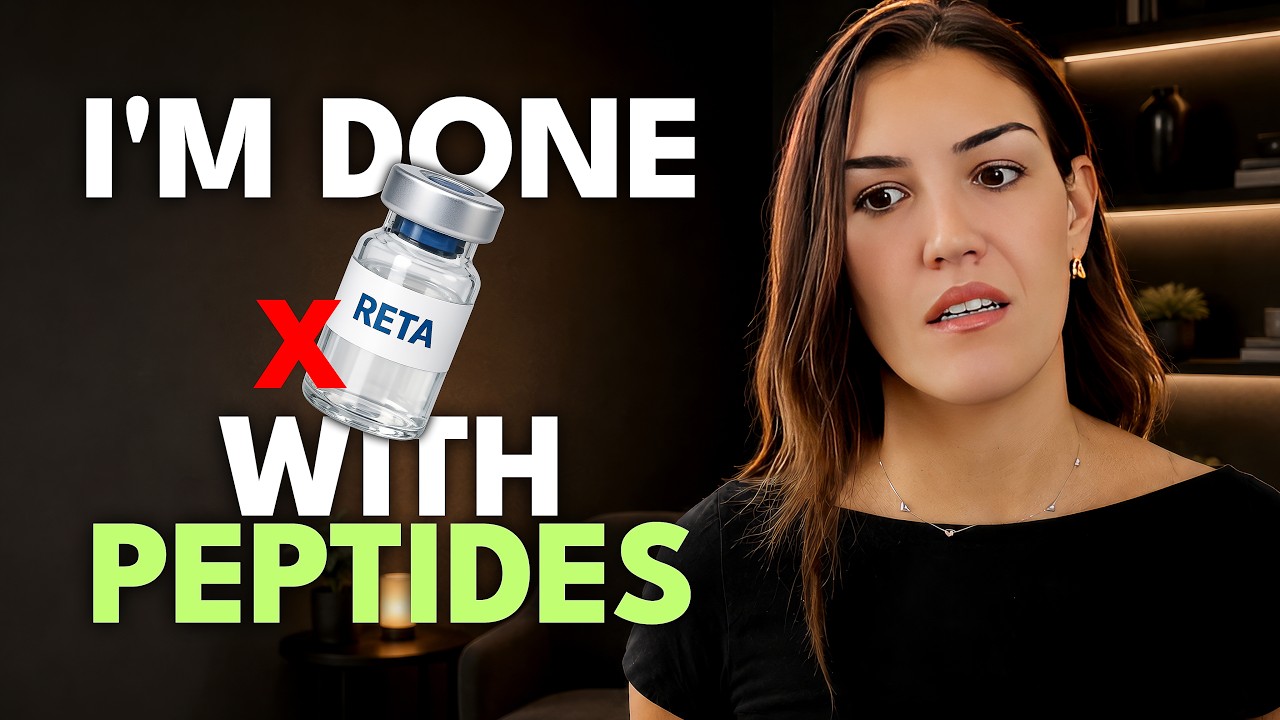
- Personal reasons for discontinuing retatrutide despite its effectiveness
- The fundamental role of weight management and insulin sensitivity
- Potential long-term effects of maintaining a medication regimen
- The importance of lifestyle modifications in conjunction with medication
- Future perspectives on diabetes care and metabolic management
When I first began taking retatrutide, I was optimistic. The medication appeared to be effective in helping manage weight and improving my overall metabolic health. My blood glucose levels stabilized, and I felt more energetic. However, after careful consideration, I decided that quitting retatrutide was the right choice for me. My decision stemmed from more than just the desire to be medication-free; it was a confluence of various personal health insights and the recognition of crucial principles related to metabolic health.
In exploring my reasons for discontinuing the medication, I must stress that personal health decisions must be individualized. Retatrutide showed promise, but long-term reliance on a medication requires scrutinization. People often overlook this fact: while medications can provide immediate relief, they may not always address the root causes of metabolic issues.
Weight management plays a crucial role in metabolic health. Excess body fat is often linked to impaired insulin sensitivity, which can lead to Type 2 diabetes. While retatrutide works by targeting this very issue—specifically aiding weight loss—it doesn’t work in isolation. After several months of treatment, I realized that the medication merely masked deeper issues. Addressing the actual causes of weight gain and insulin resistance requires a multifaceted approach that involves lifestyle changes.
The importance of insulin sensitivity cannot be overstated in the context of metabolic diseases. Insulin resistance often results from a combination of genetic, environmental, and lifestyle factors. Medications, while they can help, do not replace the necessity for good dietary choices and regular physical activity. In my case, the detour into medication brought about an important awakening. When I felt better on retatrutide, I often found myself relying on it rather than making necessary adjustments to my lifestyle.
Choosing to stop retatrutide allowed me to refocus on these fundamental lifestyle changes. It was essential to adopt a well-balanced diet that emphasizes whole foods rich in nutrients while minimizing processed options. Fruits, vegetables, lean proteins, and healthy fats should form the foundation of any diet aimed at improving metabolic health. Altering my diet also had a substantial effect on my insulin sensitivity, a critical factor for long-term health.
In discussing potential long-term effects of sustained medication use, it’s crucial to acknowledge the body’s adaptability. Many medications can induce reliance. While retatrutide was beneficial for managing weight, I couldn’t shake the looming concern that my long-term reliance on pharmacology might inhibit my body from naturally utilizing insulin effectively. Every medication comes with side effects and potential complications. Being informed about these aspects is equally as important as recognizing the benefits.
Long-term strategies, rather than quick fixes, are vital in the fight against metabolic diseases. Medication can be a part of these strategies, but it should complement rather than dominate one’s overall health plan. Emphasizing balanced physical activity improves insulin sensitivity and can lead to weight loss over time, reinforcing the understanding that health is a spectrum rather than just a number on a scale.
Additionally, the impact of stress and sleep cannot be ignored in metabolic discussions. Chronic stress and insufficient sleep can hinder insulin sensitivity and contribute to weight gain, often overshadowing other efforts related to diet and exercise. Meditation, mindfulness, and good sleep hygiene are essential aspects of a well-rounded approach to metabolic health, and these areas are often overlooked when focusing solely on medication.
Taking all of this into account, my experience with retatrutide served as a valuable lesson in understanding the requisite balance between pharmaceuticals and lifestyle interventions. Saying goodbye to the medication did not mean relinquishing my health goals. Instead, it streamlined my focus, compelling me to seek alternatives that fostered sustainable health solutions.
As I transitioned away from retatrutide, I turned my attention to practical alterations in my daily life. I started meal prepping, cooking wholesome meals at home instead of succumbing to convenient but unhealthy options. This created an opportunity to appreciate nutrient-dense foods and their effects on my energy levels and overall well-being. I began to educate myself on the glycemic index of foods, understanding the direct impact of food choices on my blood sugar levels. This knowledge empowered me to make better choices that aligned with my health objectives.
Participating in local community fitness activities helped rekindle my passion for physical movement. Finding a sense of camaraderie encouraged my continued commitment to exercise. It became evident that building a supportive community around my health goals was equally important. Engaging in physical activity with others reignited my motivation and resulted in beneficial social connections.
The journey in managing weight and improving insulin sensitivity is frequently about adjusting to change rather than resisting it. Stopping retatrutide laid the groundwork for pivotal adjustments in my everyday routine, yet it also served as a reminder of the various factors influencing metabolic health. It is easy to get trapped in a belief that a single medication can resolve multifaceted health issues, but reality demonstrates that lasting change often requires more considerable effort.
Adequate education surrounding diabetes care is critical as well. Current advances in research and therapy promise many alternatives to manage metabolic diseases effectively. These developments signify an evolving landscape that stresses the importance of personalized care. Tailoring treatment plans to individual needs involves a deep understanding of metabolic health’s intricacies.
Reflecting on my experience with retatrutide emphasizes various dimensions of diabetes management and metabolic health, but it’s essential to remain updated on emerging information. Future innovations in this domain seek solutions that are not solely pharmaceutical but also inclusive of lifestyle changes. Newer therapies may focus on metabolic reprogramming, combining medication with behavioral interventions.
Consultation with healthcare professionals ensures a balanced approach that prioritizes overall health rather than simply numerical outcomes. Ongoing discussions about weight, insulin sensitivity, and medication should take precedence in any treatment plan. The evolving narrative around diabetes management encourages a rethink of traditional notions of treatment, emphasizing preventive and holistic methods that address a spectrum of health concerns at their core.
Transitioning away from retatrutide prompted significant personal growth and learning. By organizing my health goals into actionable steps, I have adopted a more comprehensive approach to well-being. Redefining the path to metabolic health increased my confidence and satisfaction in managing my condition more effectively.
Understanding that medication can be effective yet has its limitations is essential. Only through sustained commitment to balanced nutrition, regular physical activity, supportive environments, and the inclusion of emerging medical insights can effective management of metabolic health become a tangible reality.
*****
Source Description
Retatrutide produced significant results for food noise, training consistency, and energy… and I made the decision to stop after my resting heart rate increased and my HRV dropped.
Electrolytes I use (15% off: HCK15) https://hckait.com/sodiielectrolytes
This video explains what those markers mean, why a sustained shift of that magnitude matters even when you feel good, and how I’m thinking about the decision to switch to tirzepatide microdosing instead. I also cover my full blood panel and preventative MRI results for context. Both came back excellent, which is why this is a proactive decision rather than a reactive one.
If you’re considering retatrutide or any GLP-1 peptide, this is the monitoring data you need to understand before you start.
What I cover:
— What retatrutide actually did for food noise, training, and energy over several months of microdosing
— Resting heart rate increase of 10 BPM and HRV drop from 80 to mid-thirties, what these markers mean and why the shift is significant
— Why my blood panel and full body MRI results gave me confidence this is a proactive decision not a panic response
— The difference between retatrutide triple agonist and tirzepatide dual agonist and why removing the glucagon component matters for cardiovascular stress
— What anyone considering GLP-1 peptides should be monitoring from day one
— GHK-Cu peptide video coming soon
———–
*MY METABOLIC TOOLKIT*
💫 Berberine (20% off: KAIT20): https://hckait.com/berberine
🧂 Electrolytes (15% off): https://hckait.com/sodiielectrolytes
🥤 Protein powder (20% off): https://hckait.com/equip
🍳 Non-toxic cookware (15% off): https://hckait.com/misen
🩸 At-home insulin resistance test (10% off: KAIT10) https://hckait.com/getsowell
🔥 Continuous glucose monitor (25% off): https://hckait.com/signos
🚨 Red light therapy ($260 off): https://hckait.com/rlt
☕️ MCT oil: https://hckait.com/bulletproof
*WATCH NEXT*
*SOCIAL LINKS*
Instagram: https://instagram.com/healthcoachkait
TikTok: https://tiktok.com/@healthcoachkait
Facebook: https://facebook.com/.com/healthcoachkait
*COACHING*
7-Day Insulin Resistance Masterclass https://hckait.com/IRmasterclass
*TIME STAMPS*
0:00 Why I’m stopping something that was working
2:23 What retatrutide actually did, full recap of food noise, training and energy results
6:58 Resting heart rate up and HRV down
13:07 Retatrutide vs tirzepatide, dual vs triple agonist and why the difference matters
*ABOUT ME*
Hi, I’m Kait Malthaner (aka Health Coach Kait), a certified health and nutrition coach specialising in blood sugar balance and reversing insulin resistance. I help you simplify health so you can naturally lower blood sugar, A1c, and blood pressure, lose stubborn belly fat, and feel your best again. Getting healthy doesn’t have to be complicated. Small changes lead to big results.
Disclaimer: This video is for informational purposes only and is not a substitute for professional medical advice. Always consult your doctor regarding any medical concerns. Some links are affiliate links, meaning I may earn a small commission at no extra cost to you. I only recommend products I personally use, trust, and love.
#Retatrutide #Peptides #HealthCoachKait
