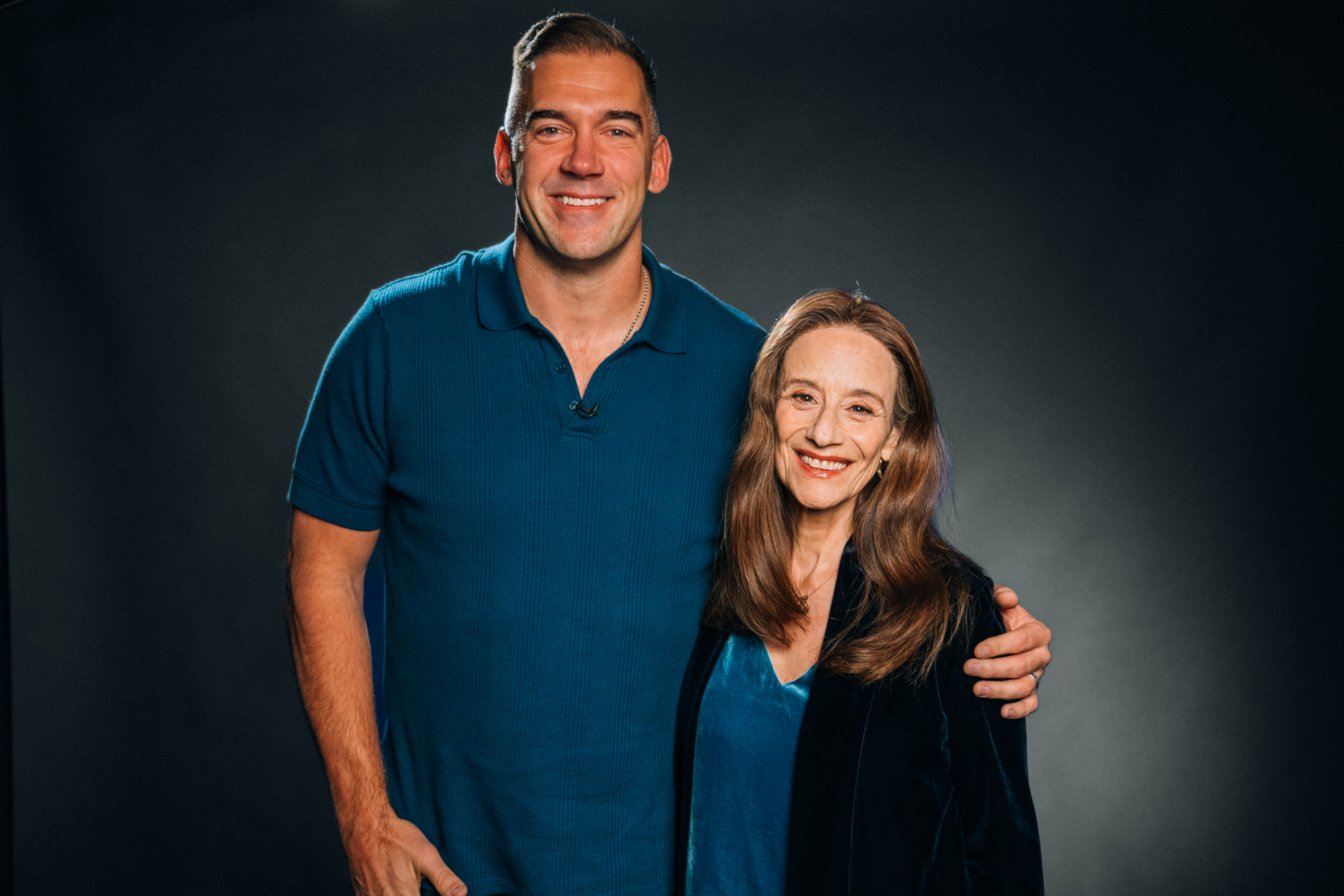
Summary of Why Healing Your Past Won’t Change Your Life:
Katherine Woodward Thomas discusses the limitations of traditional therapy and personal development, highlighting 22 core beliefs that can hinder personal growth, such as feeling “not good enough” or “alone.” She emphasizes that while healing past traumas is crucial, true transformation comes from adopting a future-focused mindset rather than dwelling on the past. Thomas offers guidance on breaking free from limiting identities formed in childhood, allowing individuals to embrace their true selves and improve various aspects of life, including relationships and careers.
*****
Summary Bullet Points
- Healing your past is essential but won’t transform your future.
- The 22 invisible beliefs limit your potential, with "I’m not good enough" as a significant barrier.
- Real change comes from shifting your focus to the future you want to create.
- Breaking free from childhood identity helps you understand your true self.
- Practical steps can lead you to a more fulfilling life in relationships, career, and personal development.
Healing Your Past Won’t Change Your Life: A New Perspective
Healing your past is a journey many of us embark on to reconcile our experiences, make sense of our feelings, and ultimately pave the way for a brighter future. Yet, paradoxically, while this process can indeed save your life, it often won’t change it. This pivotal idea, brought to light by Katherine Woodward Thomas, challenges our conventional understanding of personal development and therapy.
Why Doesn’t Healing Change Your Life?
Imagine standing behind a vast glass ceiling, struggling to break free while endlessly analyzing why you’re stuck. Many individuals pour their energy into dissecting deep-rooted issues, blaming childhood experiences or past traumas. This, however, can lead to a counterproductive cycle. You’re perpetually exploring the past without taking actionable steps towards the future. In this process, you may overlook the fact that while understanding your history is crucial, true transformation hinges on your willingness to step into a new future, beyond the confines of your previous experiences.
Take a moment to consider how often you hear someone recount the same story of pain or disappointment. This pattern becomes a comforting narrative, yet it does little to alter behavior or open new doors. Instead, what you truly need is to shift the spotlight from the past to the exciting possibilities that lie ahead. As Thomas emphasizes, the breakthrough doesn’t come from understanding every detail of your past but from defining who you wish to be moving forward.
Understanding Core Beliefs: The Invisible Barriers
At the heart of our struggles often lie 22 core beliefs that act like invisible glass ceilings, capping our potential. These beliefs subtly shape our decisions, relationships, and self-perception. Consider two of the most common ones: “I’m not good enough” and “I’m alone.”
These beliefs can be deeply ingrained, often beginning in childhood. You may have found yourself operating under the assumption that you’ll never be successful or that you don’t deserve love. Such thoughts can become self-fulfilling prophecies. When you repeatedly affirm these beliefs, they manifest in your life—through stagnation in your career, difficulty in nurturing relationships, or a persistent sense of inadequacy.
Recognizing these limiting beliefs is the first step. Once you do, the next challenge is to actively dismantle them. The idea isn’t just to uncover the origin of these beliefs, but rather to question their validity. Are they truly reflective of who you are? Or are they remnants of a past narrative that no longer serves you?
Living from the Future You Want
Now, let’s shift the dialogue. What if you approached life not from a place of blame or regret but with a clear vision of the future you desire? Imagine stepping into a reality where you are empowered to mold your identity based on aspirations rather than fears. This isn’t about forgetting your past; rather, it’s about re-contextualizing it.
Envision setting goals that excite you, not because they are attainable based on past experiences but because they resonate deeply with who you want to become. This requires a courageous leap of faith—a step away from the analysis paralysis that the past can impose.
You may choose to redefine what success looks like for you. Perhaps instead of earning a promotion as a measure of achievement, you explore avenues to express creativity or nurture meaningful relationships. The real impact comes from acting on these new visions. Each small step taken in the direction of your aspirations builds momentum.
Breaking Free from Childhood Identity
Many hold onto a childhood identity that confines rather than empowers. This identity can manifest in various ways: the "responsible one," the "funny one," or the "caretaker." While these roles may have served a purpose at one point, they can eventually become shackles.
Consider this: if you have always played the role of the "caretaker," you might find it challenging to prioritize your own needs. Instead, you become stuck in a cycle of overcompensating, feeling exhausted and unfulfilled. Recognizing that you can reshape your identity is liberating. It’s not about entirely discarding who you were but rather evolving into a version of yourself that embodies your true potential.
Ask yourself questions that facilitate this shift. Who do I want to be today? What values do I wish to embody? How can I allow my experiences to inform but not dictate my actions? This self-inquiry can encourage a profound transformation, moving you from self-definition based on others’ perceptions to a self-defined vision of worth.
The Art of Forward Motion
Moving away from analyzing the past gives you the freedom to redirect your energy into action—no matter how small those actions may be. The trick is to start. Create a project related to your future vision. Join a new hobby or trade that has always intrigued you. Engage in networking opportunities that align with your aspirations. By taking these steps, you build new neural pathways that favor forward momentum over stagnation.
The irony lies in the fact that healing can be a lifelong process, yet forward motion can occur nearly instantaneously. Each day offers you the choice to step out of the cycle of negativity and usher in a new narrative of self-empowerment.
Finding Your Tribe
An often-overlooked pillar in creating this new narrative is surrounding yourself with individuals who uplift you. Your environment significantly influences your mindset. Construct a supportive community that can help you manifest your future instead of rehashing your past. This could mean reaching out to friends who inspire you, attending workshops focused on future-oriented growth, or engaging with mentors who have successfully transformed their own lives.
When you immerse yourself in positive influences, you introduce new perspectives that encourage accountability, growth, and action. The stories shared among your tribe serve as fuel for your own journey toward self-discovery.
Practical Steps to Moving Forward
- Identify Core Beliefs: Spend time writing down your immediate thoughts and feelings. Confront the beliefs that limit you.
- Reframe Your Vision: Rather than focusing on healing what’s broken, visualize the future you yearn for.
- Set Small Goals: Begin with achievable tasks that inch you toward your vision. Celebrate these small victories.
- Engage with Others: Align yourself with individuals who share your vision and who bolster your self-worth.
- Practice Self-Compassion: Treat yourself kindly throughout this transition. Understand that growth is a process fraught with ups and downs.
Conclusion: A Journey Worth Embracing
Healing your past and nurturing your future are not mutually exclusive; rather, they intertwine in the pursuit of self-growth. While acknowledging your past is vital, don’t allow it to form the foundation upon which your future rests. Instead, prioritize a life led by your aspirations, values, and dreams.
Katherine Woodward Thomas delivers a transformative invitation: to stop living as though the past dictates your reality and to courageously embrace a future rich with promise. Seize this moment to create an identity born not of childhood narratives but of the vibrant life you wish to lead. The real beauty of life lies not just in surviving, but in flourishing as you redefine who you are meant to become.