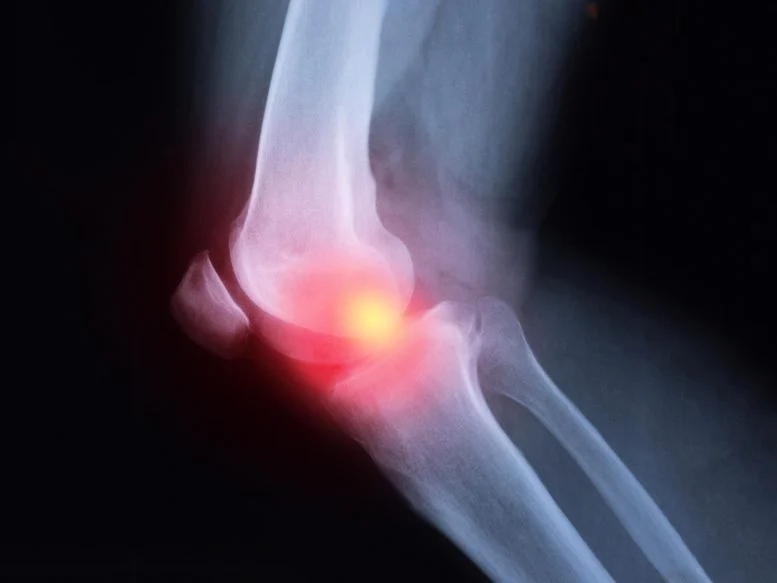
Summary of Why Arthritis Can Come Back Stronger After Cancer Immunotherapy:
Researchers at The University of Texas MD Anderson Cancer Center discovered that immune checkpoint inhibitors, used in cancer treatment, can trigger recurring inflammatory arthritis by reactivating previously established immune cells. In a study published in Cancer Immunology Research, they analyzed joint fluid from six patients during initial arthritis episodes and later recurrences, finding that specific T cell populations appeared during both events. Notably, these returning immune cells showed increased inflammatory activity, suggesting that recurrent arthritis episodes may become more severe over time.
The study highlights an unexpected change in regulatory T cells, which typically help control immune responses but were found to produce inflammatory signals during flares. The results underscore the need for strategies that target these persistent immune cells without compromising the effectiveness of cancer treatment. However, the small sample size requires further research to confirm these findings and to identify potential biomarkers for patients at risk of recurrent arthritis.
*****
Summary Points
- Immune Checkpoint Inhibitors: These revolutionary cancer treatments enhance immune responses against tumors but can lead to unintended inflammatory side effects, such as arthritis.
- Recurrent Arthritis: A fascinating finding is that arthritis can return with more intensity after immunotherapy, driven by immune memory and heightened inflammatory responses of immune cells.
- Biological Mechanisms: Distinct populations of T cells and regulatory T cells involved in inflammatory responses can persist and contribute to recurrent arthritis flares.
- Clinical Implications: Understanding these immune cell behaviors may inform future treatment strategies to mitigate arthritis without compromising cancer therapy.
- The Need for Research: Although the findings are promising, further studies are required to validate these observations in a broader patient population for clinical applications.
The Complex Dance of Immunotherapy and Arthritis
In today’s rapidly evolving landscape of cancer treatment, the advent of immunotherapy stands out as a remarkable innovation. Specifically, immune checkpoint inhibitors have transformed how we tackle various cancers, revolutionizing the treatment landscape. These therapies work by unleashing the body’s immune system, enabling it to recognize and destroy tumor cells more fiercely. However, this aggressive attack does not come without its repercussions—one of which is the unexpected onset of inflammatory arthritis in some patients.
What if your own immune system, wielded as a weapon against cancer, becomes a double-edged sword, unleashing inflammation in your joints? This thought-provoking scenario becomes a reality for many who undergo such treatment. Let’s unravel this paradoxical relationship between cancer immunotherapy and the resurgence of arthritis, exploring the unique mechanisms at play.
The Immune System: A Double-Edged Sword
Under normal circumstances, the immune system serves as a vigilant guardian, identifying and eliminating threats like pathogens and abnormal cells. Yet, in its quest to vanquish cancer, this system can operate without the usual checks and balances. Herein lies the crux of the problem: When immune checkpoints are inhibited, our bodies may not only ramp up the attack on cancerous cells but also inadvertently target healthy tissues. This unintended consequence manifests in several forms, with arthritis being a significant and distressing outcome.
Patients experiencing this form of arthritis often report telltale signs: swelling, pain, and stiffness in their joints. For some, these symptoms do not merely dissipate upon the conclusion of their cancer treatment—instead, they can linger on for months, or even years, post-therapy. Researchers at The University of Texas MD Anderson Cancer Center pose an intriguing question: Could this persistence be tied to the memory of the immune response triggered by immunotherapy?
The Role of Immune Memory in Arthritis Recurrence
Recent studies have shed light on the phenomenon of recurrent arthritis following checkpoint inhibitor therapy. The researchers focused on the premise that immune memory may play a crucial role in these recurrences. When examining joint fluid from patients suffering from inflammatory arthritis, the team identified two key populations of T cells present during both initial and subsequent episodes.
The first population consisted of inflammatory CD8 T cells, while the second group included specialized CD4 T cells exhibiting characteristics indicating activation and inflammation. This finding suggests that these cells do not simply vanish after the initial flare but rather establish a foothold. When arthritis resurfaces, it’s these lingering immune cells that spring into action, often with a heightened intensity.
Increasing Inflammation with Each Flare
One of the more alarming discoveries is that not simply do these immune cells return, but they often return with a "vengeance," showing increased inflammatory tendencies during subsequent episodes. This intensifies the symptoms, leading to more severe arthritis each time it flares. Imagine your immune system not just resetting, but becoming more aggressive after each encounter with inflammation.
Even more perplexing is the behavior of regulatory T cells, normally tasked with keeping immune reactions in check. Instead of stepping in to quell inflammation during these recurrences, they too begin producing inflammatory molecules. This betrayal—where the body’s own mechanisms for self-regulation fail—creates a perfect storm for escalating inflammatory episodes.
A Coordinated Inflammatory Environment
As medical science delves deeper into the biological mechanisms behind recurrent arthritis, a striking picture of complexity begins to emerge. Rather than being the work of isolated rogue cells, it seems clear that inflammatory responses comprise well-coordinated networks. Researchers have identified intricate signaling pathways uniting various populations of immune cells within the joint, hinting at a more organized inflammatory environment during subsequent flares. This collective behavior creates a scenario where burdening inflammation can quickly spiral out of control.
Hope for the Future
For patients grappling with the dual challenges of cancer and arthritis, this research opens a window of hope and potential solutions. Identifying the specific immune cell populations responsible for recurrent arthritis can pave the way for future treatment strategies that specifically target these cells. Imagine doctors being able to reduce the risk of arthritis while maintaining the robust immune response needed to tackle cancers effectively. This balancing act—quieting harmful immune responses without extinguishing the fire needed to fight cancer—could reshape how we approach treatment moving forward.
The journey isn’t without its hurdles, though. As the researchers emphasize, the study’s small sample size underscores the need for broader research to validate these findings. Larger studies will be crucial in establishing whether these immune populations can indeed serve as clinical biomarkers, helping clinicians identify patients at risk for severe or persistent arthritis post-immunotherapy.
The Human Element of Research and Medicine
While the science of immunotherapy and its unintended side effects can feel overwhelming, it also evokes a profound sense of humanity in medicine. Behind every clinical investigation are patients—individuals and their families—navigating the tumultuous waters of cancer treatment alongside the burden of painful episodes. In an age where breakthroughs occur at an unprecedented pace, it’s vital to maintain empathy, awareness, and a patient-centric approach in both research and healthcare settings.
Bridging the Gap Between Science and Care
For patients, knowledge is empowering. Understanding the potential for arthritis to recur can foster dialogue with healthcare providers, opening channels for intervention and management strategies ahead of time. If you or a loved one is undergoing immunotherapy and experiencing joint pain, recognizing these symptoms and seeking timely guidance is critical. Don’t hesitate to discuss these findings with your medical team, as they can be invaluable in tailoring your treatment and management plans.
Looking Ahead
As we stand on the brink of medical breakthroughs, it’s essential to ponder our role in this complex narrative of health, healing, and resilience. Researchers, doctors, and patients alike contribute unique chapters in this ongoing story, illustrating a commitment to fighting cancer while recognizing the collateral impacts on the body. In this journey, persistence, adaptability, and hope shine forth as guiding principles.
In closing, while immunotherapy presents a dual challenge with potential repercussions like recurrent arthritis, the pursuit of understanding these mechanisms brings us closer to effective solutions. With continued research and a steadfast commitment to patient care, the combination of cancer therapy and joint treatment will inevitably evolve. This moment unfolds an inspiring narrative—a testament to human resilience and ingenuity in the face of life’s most formidable challenges.
As the realm of medicine evolves, stay curious, stay informed, and never underestimate the positive impact of empathy and understanding as we journey through life’s complexities together.