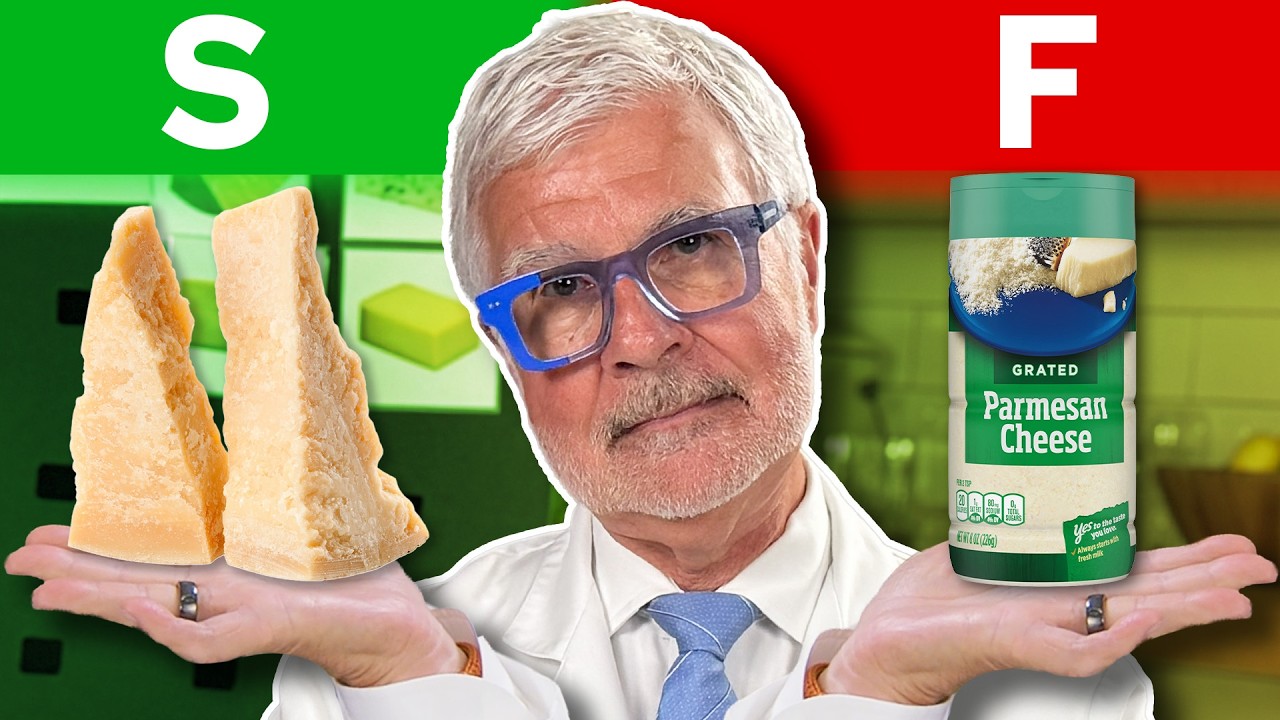
- Understanding the Nutritional Profile of Parmesan Cheese
- Health Benefits and Risks of Parmesan Consumption
- Insights from Dr. Gundry’s Cheese Rankings
- Guidelines for Choosing Quality Parmesan Cheese
- Parmesan Cheese and Its Impact on Insulin Sensitivity
Parmesan cheese, a centuries-old dairy product, carries rich flavors and various nutrients. It can benefit health in multiple ways, but the specific health implications depend on the type and quality consumed. The nutritional profile serves as a good starting point to understand how Parmesan cheese can fit into your dietary plans.
When examining the nutritional content of Parmesan cheese, it is evident that it offers significant amounts of protein, calcium, and vitamins. A robust source of protein allows it to support muscle maintenance and growth. Moreover, the calcium in Parmesan contributes to bone health, while the vitamin K2 it contains plays critical roles in the regulation of calcium in the body. These components are particularly beneficial for those who may be looking to enhance their bone density or improve their muscle recovery after workouts.
Beyond its nutritional features, Parmesan cheese does come with considerations regarding its sodium content. Many varieties contain high levels of salt, which can contribute to increased blood pressure in sensitive individuals. While it’s crucial to gauge your personal health and dietary needs, moderate consumption can still allow you to enjoy its flavors without undue health risks. It is important for individuals with specific health concerns to monitor their intake and balance it with other dietary components.
Dr. Gundry, a well-known authority in diet and nutrition, has made a name for himself through his cheese rankings, shedding light on which varieties may be more beneficial than others. He posits that not all cheeses are created equal, and understanding the differences can empower individuals to make informed dietary choices. In his evaluations, Dr. Gundry often emphasizes the importance of key factors such as fat content, production methods, and antibiotic use in animals.
For example, the recommendation often leans towards grass-fed cheeses, which are typically richer in omega-3 fatty acids and vitamins than those from grain-fed cows. Cheese produced from animals raised on natural diets tends to offer enhanced nutritional qualities. These aspects not only contribute to better health standards for consumers but also align with more sustainable farming practices.
How do these insights translate into practical guidelines for selecting Parmesan cheese? First, look for labels affirming that the product is raw or minimally processed. This can often indicate fewer additives and a more favorable nutritional profile. Aged Parmesan is also another choice worth considering, as it tends to have lower levels of lactose, benefiting those who may be lactose intolerant.
It is crucial to also scrutinize the sodium content. Some brands deliberately reduce salt to cater to health-conscious consumers. When checking labels, aim for Parmesan with lower sodium levels while still enjoying its characteristic tanginess. And, if you have specific health considerations, paying attention to ingredients such as "made without artificial hormones" or "no antibiotics" can align your food choices with your health goals.
As Parmesan cheese is high in saturated fats, individuals interested in managing their insulin sensitivity may have additional considerations. Consuming moderate amounts can be part of a balanced diet, but excessive intake could pose challenges for those monitoring their blood sugar levels. Research indicates that quality fats used in moderation can promote better insulin signaling and glucose metabolism. Thus, when incorporating Parmesan into your meals, consider pairing it with fiber-rich foods. This combination can help modulate glucose response more effectively.
Dietary choices surrounding cheese are often more nuanced than they appear. While many individuals enjoy the taste of Parmesan cheese, recognizing its place in an overall balanced diet is essential. For those enthusiastic about making healthier food choices, understanding the impact of Parmesan on overall wellness can lead to empowering dietary adjustments.
Understanding what makes Parmesan cheese a potential ally in a balanced diet involves grasping its fat profile, protein content, and vitamin availability. While its high-fat content could present some challenges for certain dietary needs, moderating portions while choosing high-quality sources can provide rewarding health benefits. It’s essential to ingest this dairy delight with an awareness of its nutritional implications and how it fits into the broader framework of a wholesome diet.
Being adequately informed allows individuals to appreciate not only the flavors of Parmesan cheese but also the myriad of benefits it offers. When picked wisely, it can enhance meals while contributing positively to a person’s nutritional goals. Exploring various varieties may further enrich the experience and align with personal health objectives.
*****
Source Description
Are your favorite cheeses really good for you — or are they quietly wreaking havoc on your gut health? 🧀
In this episode of Gut Instincts, Dr. Steven Gundry ranks some of the most popular cheeses — from cheddar and brie to feta, goat cheese, and beyond — to reveal which belong in the Superfood tier… and which might deserve a spot on his “No” list.
Watch as Dr. Gundry breaks down what makes certain cheeses gut-friendly and nutrient-rich, explains how fermentation and fat quality matter, and exposes which “healthy” dairy options might not be doing your body any favors.
———————-
Purchase Gundry MD products ➡️ https://rebrand.ly/GundryMD-YT ⬅️
Take 30% off any regularly priced item with discount code: YT30
———————-
⬇️ Become a channel member ⬇️ https://www.youtube.com/channel/UC4ODXZL2r3XepieV0uoRjNA/join
———————-
Timestamps
00:00 Intro
01:05 Brie
02:11 Parmigiano Reggiano
03:19 Manchego
04:11 Cheddar
05:02 Camembert
06:09 Buffalo Mozzarella
07:27 Cotija
08:03 Pecorino
08:50 Burrata
09:30 Colby Jack
09:44 Quiz Time!
11:23 American
12:00 Gouda
12:33 Feta
13:28 Provolone
14:06 Monterey Jack
14:22 Cream Cheese
14:47 Blue Cheese
15:43 Gruyere
16:46 Swiss Cheese
17:41 Asiago
18:13 Question & Recap
———————-
Follow Gundry MD
👥Facebook: facebook.com/GundryMD
📸Instagram: @gundrymd
📌Pinterest: pinterest.com/gundrymd
🎵TikTok: @gundrymd
#GundryMD #GutHealth #GutHealthTips #FoodTierList #tierlist #superfoods #superfood