*****
Summary of Transcript:
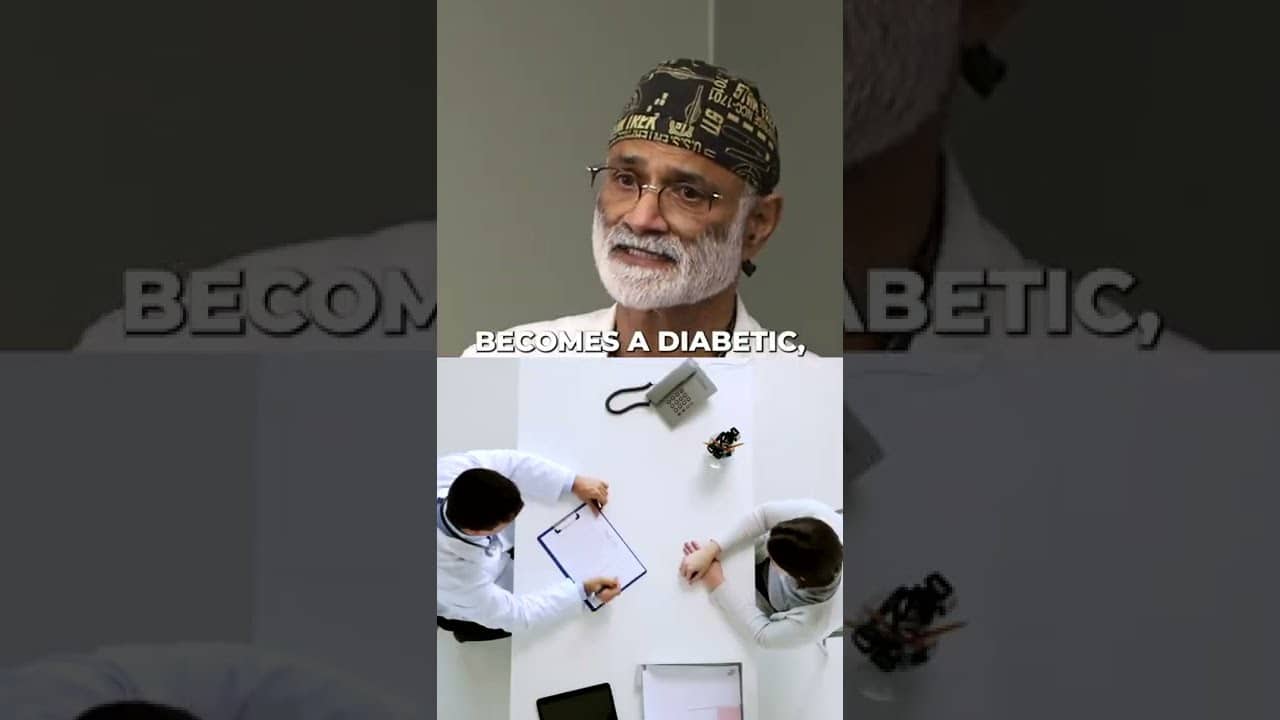
This YouTube video discusses pre-diabetes when insulin levels are high but blood sugar is still regular. However, if blood sugar levels go out of control, the patient is considered diabetic. The video explains that it takes 10 to 15 years of pre-diabetes to develop diabetes, which often starts in the 30s and 40s due to a destructive lifestyle and high sugar intake. This causes hyperinsulinemia, meaning the body must make more insulin over time to resist it. The video is a warning to take these facts seriously and to take action to prevent diabetes.
*****
Summary of Description:
This clip is about pre-diabetes and is presented by Dr. Pradip Jamnadas, MD, MBBS, FACC, FSCAI, FCCP, FACP, founder and Chief Medical Officer of Cardiovascular Interventions, P.A. in Orlando, Florida. He explains the risks associated with pre-diabetes and how to prevent it. He also provides tips for diet, nutrition, medication, and lifestyle changes to reduce the risk of pre-diabetes. He also encourages viewers to consult their physician before making any changes.
*****
What is Pre-Diabetes?
Pre-diabetes is when a person’s blood sugar levels are higher than usual but not yet high enough to be diagnosed with type 2 diabetes. Up to 86 million Americans are estimated to have pre-diabetes, yet many do not even know they have it. Pre-diabetes can be a warning sign that you are at risk of developing type 2 diabetes and other serious health problems such as heart disease and stroke.
What Causes Pre-Diabetes?
Pre-diabetes is caused by a combination of factors, including genetics, lifestyle, and diet. People who are overweight or obese, do not get enough physical activity, or eat an unhealthy diet are more likely to develop pre-diabetes.
What are the Symptoms of Pre-Diabetes?
The most common symptom of pre-diabetes is elevated blood sugar levels. Other symptoms may include increased thirst, frequent urination, fatigue, and blurred vision.
How is Pre-Diabetes Diagnosed?
Pre-diabetes is diagnosed through a blood test. Your doctor will measure your fasting blood sugar level, which is the amount of sugar in your blood after fasting for 8 hours. An average fasting blood sugar level is between 70 and 99 mg/dl. You have pre-diabetes if your fasting blood sugar level is between 100 and 125 mg/dl.
How is Pre-Diabetes Treated?
The best way to treat pre-diabetes is to make lifestyle changes such as eating a healthy diet and getting regular physical activity. Your doctor may also recommend medications to help lower your blood sugar levels.
Pre-diabetes is a serious condition and can lead to type 2 diabetes if left untreated. Early diagnosis and treatment can reduce your risk of developing type 2 diabetes and other serious health problems. You must talk to your doctor if you think you may be at risk for pre-diabetes or have any of the symptoms mentioned earlier.
*****
Source Description
Watch the clip about pre-diabetes: https://www.youtube.com/watch?v=OhZcxvGNzJY
Watch the full Lecture: https://www.youtube.com/watch?v=0wXWEdipBEg
Subscribe to the Channel!
https://www.youtube.com/channel/UCOtQHehGWtblMp1gZC8Kq3Q?sub_confirmation=1
Sign up for my Heart Health emails
https://orlandocvi.com/heart-health-u…
Social Links:
https://www.facebook.com/orlandocvi
https://www.instagram.com/pradipjamna…
https://www.facebook.com/pradipjamnad…
About Dr. Pradip Jamnadas, MD, MBBS, FACC, FSCAI, FCCP, FACP
The founder and Chief Medical Officer of Cardiovascular Interventions, P.A. in Orlando, Florida, where, since 1990, he has been repeatedly recognized in local publications as a Top Doctor performing thousands of interventional procedures in the hospital and outpatient settings. As a consultant cardiologist with a sizeable diversified inpatient and outpatient practice, he is noted for his passion for teaching and illuminating prevention for cardiovascular disease. He is also a clinical assistant professor of medicine at Florida State University and the University of Central Florida.
Disclaimer: The information provided is for general information and education purposes only and is not a substitute for individualized medical care by a qualified physician. All viewers should consult their physician before making any diet, nutrition, medication, or lifestyle changes. Nothing here should be interpreted to create a doctor-patient relationship. Any action you take upon the information you find within this content is strictly at your own risk. Neither Dr. Pradip Jamnadas nor Cardiovascular Interventions, PA, will be liable for any damages or losses in connection with the content on this YouTube Channel.


