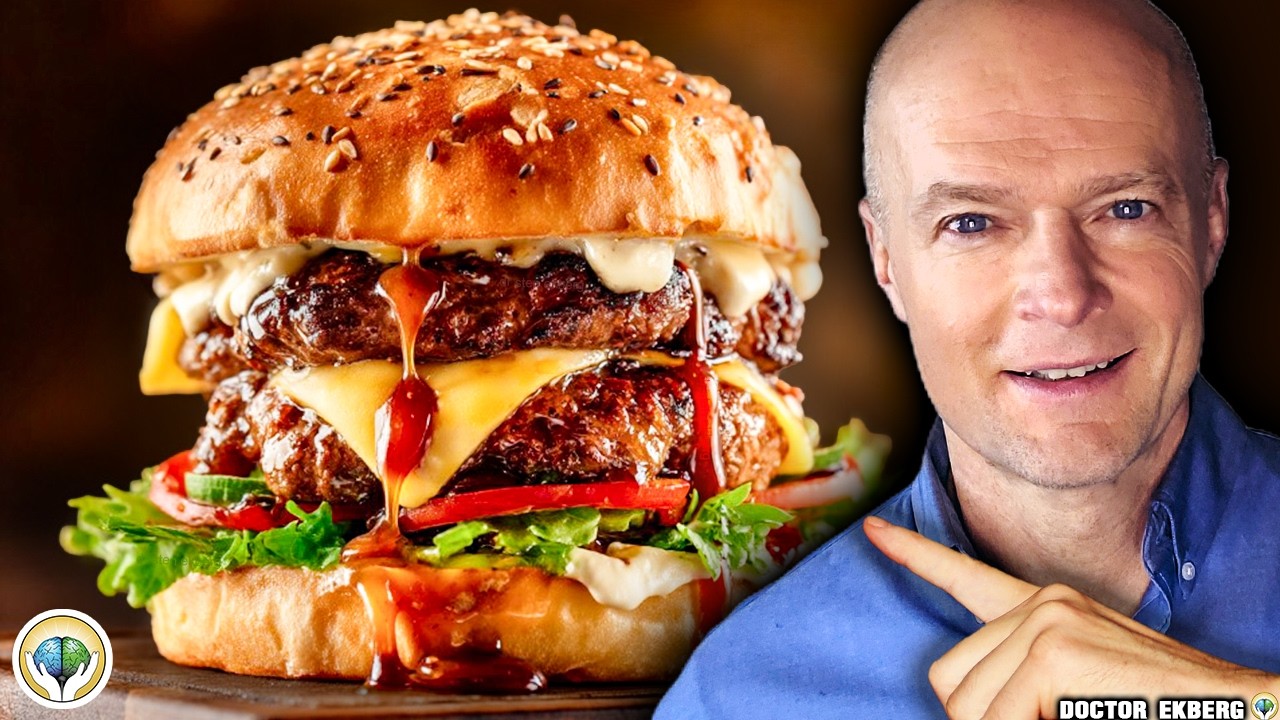
- Food sourcing and quality standards in restaurants
- The hidden ingredients and additives in restaurant meals
- Portion sizes and their impact on health
- Misleading marketing and menu descriptions
- The role of cooking methods and food preparation
Food sourcing and quality standards in restaurants often do not reflect the perception many consumers have about restaurants. Most diners believe that restaurant food is fresher and of higher quality than home-cooked meals. However, this is not necessarily the case. Many restaurants opt for lower-cost ingredients due to economic pressures. In fact, financial constraints often push restaurants to prioritize profit margins over quality. For example, items labeled as "fresh" may actually come from distribution centers rather than local farms. The demand for food to be available year-round also contributes to reliance on imported products that may be less nutritious.
Additionally, larger chains often utilize food suppliers that may not adhere to stringent quality control. Ingredients can sit in storage for extended periods, impacting freshness and taste. For instance, frozen vegetables might lose nutritional value over time, while the fruits served may have traveled thousands of miles before arriving at your plate. The assumption that all restaurant meals come from high-quality inputs can be misleading.
Many establishments often employ bulk purchasing strategies that result in standardized dishes, sacrificing quality for consistency. This approach can dilute flavor profiles and nutritional content. It is increasingly common to find that what amounts to a “signature dish” may have been produced under similar guidelines as competitor offerings, thus compromising individuality and health.
The hidden ingredients and additives in restaurant meals pose another significant concern. Food preservation techniques often involve the use of artificial flavors, preservatives, and additives that can affect health. Ingredient lists are seldom fully transparent, leading diners to consume unwanted substances without their knowledge. Common additives such as monosodium glutamate (MSG), artificial sweeteners, and sodium may enhance flavor but can lead to adverse reactions in susceptible individuals.
Moreover, many dishes are also high in sugar, even when they do not taste sweet. Sauces, dressings, and marinades often contain hidden sugars that can significantly impact the glycemic index of a meal. Regular consumption of these hidden sugars can negatively affect insulin sensitivity, contributing to metabolic disorders over time. A lack of awareness regarding these additives can mislead diners about the actual health implications of their meals.
Portion sizes in restaurants have ballooned over the decades, often serving two to three times the recommended serving size for a single meal. This trend not only affects calorie intake but also influences overconsumption patterns among diners. The concept of portion distortion has a direct relationship to rising obesity rates and metabolic diseases. For instance, a standard entrée may contain more carbohydrates and fat than an individual should consume in a single meal based on dietary guidelines.
Restaurants often employ visual tricks to make portions appear larger. They may serve food on oversized plates, leading patrons to feel justified in consuming more than necessary. With larger portions, diners eat more calories without even realizing it. Understanding the implications of portion sizes is crucial for maintaining a balanced diet and promoting better health outcomes.
Misleading marketing and menu descriptions also play a significant role in shaping consumers’ perceptions of restaurant food. Words such as "organic," "all-natural," and "farm-fresh" can lead customers to believe that their meals are healthier than they actually are. Unfortunately, many terms are not regulated, allowing restaurants to label dishes in ways that may not accurately reflect their nutritional value.
Diners may gravitate toward options labeled as "light" or "healthy," assuming they are making conscientious choices. However, these dishes can still be calorie-dense due to high-fat dressings or sauces. Moreover, a salad may appear to be a healthier choice, but it can easily be transformed into a high-calorie meal with toppings like fried chicken or creamy dressings.
Menu descriptions often omit critical nutritional information regarding fat, calories, and ingredients. While some establishments provide nutritional breakdowns, many do not supply adequate information to support informed choices. Diners need to critically evaluate menu items for more than just appealing descriptions and visuals.
The role of cooking methods and food preparation also significantly impacts the nutritional profile of dishes served in restaurants. Various techniques, such as frying, sautéing, and deep-frying, can contribute excessive calories and unhealthy fats to meals. For instance, fried foods can be not only calorie-laden but also detrimental to heart health due to trans fats.
On the other hand, methods such as grilling, steaming, and baking can preserve nutritional values while reducing unnecessary calories and fats. However, many restaurants opt for quicker, less healthy preparation methods to save time and labor costs. This not only affects individual meal quality but also contributes to broader health concerns in the population.
The oil used for frying can contain unhealthy trans fats, which are known to negatively affect insulin sensitivity and overall health. Frequent consumption of fried foods can contribute to systemic inflammation and increased risk for various chronic diseases, including diabetes and heart disease.
Alternatively, dining out can provide social interactions and flavorful experiences, but being informed about what restaurants don’t want you to know about their food is crucial. The impact of food sourcing, hidden ingredients, portion sizes, marketing tactics, and preparation methods can dramatically alter health outcomes. By arming themselves with this knowledge, diners can make conscious choices, emphasizing balanced meals that promote long-term health and well-being.
Understanding the limitations of restaurant food can lead to better dietary habits. For those who eat out frequently, it’s advisable to communicate with servers and ask questions about how dishes are prepared and what ingredients they may contain. Doing so will empower diners to maintain a healthier lifestyle even while enjoying the convenience of restaurant cuisine.
Being aware of the hidden nuances in restaurant dining can significantly enhance dietary choices. It offers insight into how meals are constructed and the resultant health implications. For individuals focused on their well-being, this holistic understanding can be a powerful ally for making informed decisions. Restaurant meals can be a delightful indulgence, but their role in one’s broader dietary lifestyle should never be underestimated. With awareness comes the ability to balance enjoyment with a commitment to health, paving the way for sustained well-being.
*****
Source Description
Get the Highest Quality Electrolyte https://euvexia.com . Ever wonder what is in foods when you go out to eat? Here is a surprising fact you must know before you go out to eat again.. We all want to stay healthy, so here is what to look for when you eat out or travel.
🔴Blood Work Course https://www.drekberg.shop/products/ultimate-blood-work-course-by-dr-sten-ekberg
🔴 MASTER YOUR HEALTH BY SUBSCRIBING https://www.youtube.com/DrEkberg?sub_confirmation=1
🔴 Join this channel to get access to perks:
https://www.youtube.com/channel/UCIe2pR6PE0dae9BunJ38F7w/join
Watch more life saving videos…
🔷 What Really Happens In Your Body When You Fast? https://www.youtube.com/watch?v=VTTxg3Qmdck&list=PLpTTF6wMDLR73fbhy9TdlSA65wvQyjP29
🔷 What If You Stop Eating Sugar For 30 Days?
https://www.youtube.com/watch?v=XS_kjTAnpP0&list=PLpTTF6wMDLR73fbhy9TdlSA65wvQyjP29
🔷 What If You Ate Only Meat For 30 Days? https://www.youtube.com/watch?v=IfBlM3HfHKs&list=PLpTTF6wMDLR73fbhy9TdlSA65wvQyjP29
Welcome to What Really Happens In Your Body When by Dr. Sten Ekberg; a series where I try to tackle the most important health issues of the day in a natural and safe way including the What Really Happens In Your Body When you exercise, fast, eat certain foods, etc. If you have suggestion for the next topic leave your comment below. Remember to make your comments positive and uplifting even if you disagree with something that was said by me or others.
🔷 What Really Happens In Your Body When Series: https://www.youtube.com/watch?v=N1zjLsnHDPo&list=PLpTTF6wMDLR73fbhy9TdlSA65wvQyjP29
🌿 This is a Holistic Health Channel that focuses on all aspects of Natural Holistic Health and Wellness featuring Olympic decathlete and holistic doctor, Dr. Sten Ekberg with Wellness For Life. Learn to master holistic health, stay healthy naturally, live longer and have quality of life by learning how the body really works. Doctor Ekberg covers and explains health in an easy to understand way. There will be health tips like how to lose weight, what to eat, best nutrition, low carb diet, cold hands & feet, holistic health tips, pain relief, lower blood pressure, reverse diabetes naturally, reduce stress, how to exercise, thyroid issues, keto diet explained, brain health tips, stretches & more from a real doctor.
▶️ CONTACT INFO
Dr Sten Ekberg
Wellness For Life
5920 Odell St
CummingGA 30040
http://www.DrEkberg.com
THANK YOU FOR WATCHING, COMMENTING, SUBSCRIBING & LIKING. Let us know if you have any health questions in the comment section below the video. The goal of this channel is to educate you in easy to understand terms on what true holistic health is.
All clips used for fair use commentary, criticism, and educational purposes. See Hosseinzadeh v. Klein, 276 F.Supp.3d 34 (S.D.N.Y. 2017); Equals Three, LLC v. Jukin Media, Inc., 139 F. Supp. 3d 1094 (C.D. Cal. 2015).
Typical legal disclaimer (doctor occupational hazard): This is not medical advice, nor can I give you medical advice. Sorry! Everything here is for informational purposes only and not for the purpose of providing medical advice. You should contact your doctor to obtain advice with respect to any particular health issue or condition. Nothing here should be construed to form an doctor patient relationship. You should not make any change in your health regimen or diet before first consulting a physician and obtaining a medical exam, diagnosis, and recommendation. Always seek the advice of a physician or other qualified health provider with any questions you may have regarding a medical condition. Wellness For Life and Dr. Sten Ekberg are not liable or responsible for any advice, course of treatment, diagnosis or any other information, services or product you obtain through this video or site. Also, some of the links in this post may be affiliate links, meaning, at no cost to you, I may earn a small commission if you click through and make a purchase. But if you click, it really helps me make more of these videos!
#WhatHappensWhen #YourBody #WellnessForLife #MasterHealth #DrEkberg #DrStenEkberg #HealthAndWellness #Doctor #HolisticDoctor #RealDoctor #HealthChampions #keto #ketodiet #weightloss