- Young people’s mental health challenges and societal pressures
- The impact of technology on youth identity and social interaction
- Dietary habits and nutritional awareness in younger generations
- The evolving educational landscape and its effect on young learners
- Understanding of social justice issues and community engagement among youth
Young people’s mental health challenges and societal pressures are often overshadowed by the broader challenges adults face today. This generation grapples with a multitude of pressures, including academic expectations, social media performance, and the weight of global issues like climate change and inequality. Anxiety and depression rates have surged among youth, as they are more connected yet feel increasingly isolated. A study by the American Psychological Association highlighted that teenage depression has seen an alarming uptick over the past decade. The digital age offers a platform for self-expression, but it also fosters comparison and unrealistic standards. Adults may underestimate the psychological toll that constant connectivity can impose, which often leads to overwhelming feelings of inadequacy among young individuals.
The impact of technology on youth identity and social interaction cannot be overstated. Social media platforms have transformed how young people communicate and construct their identities. While these platforms can serve as a space for creativity and connection, they can also result in superficial relationships and a distorted sense of self-worth. Many youths feel compelled to present curated versions of themselves that often do not reflect their true emotions or experiences. This phenomenon can lead to dissonance between their online personas and real-life interactions. Adults might not fully grasp the relentless pressure young people face in maintaining these digital narratives, leading to confusion and frustration about social norms and expectations.
Dietary habits and nutritional awareness in younger generations present both challenges and opportunities. Increased access to fast food and processed snacks has led to dietary patterns rife with unhealthy choices. Conversely, there is also a growing trend of health-conscious eating and interest in nutrition among youth, with many seeking to understand the implications of their dietary habits on long-term health. Crucial conversations surrounding balanced diets, nutritional deficiencies, and food equity are becoming more impactful. Young people today are more informed about the need for good nutrition, yet they often lack the resources to access healthy options. Adult perspectives on food habits may overlook the socio-economic factors that contribute to these dietary choices, leaving young people caught in a cycle of unhealthy habits.
The evolving educational landscape significantly affects young learners. Traditional educational models are increasingly being questioned as younger generations seek more practical, collaborative learning experiences. The advent of online resources and e-learning tools provides rich opportunities for self-directed learning, but it also presents challenges in terms of quality and consistency. Unlike prior generations, today’s youth are often engaged in hybrid learning environments, which can cause confusion and inconsistency in educational outcomes. The emphasis on standardized testing often clashes with the desire for personalized learning experiences. Adults may not realize how these shifts affect motivation, engagement, and ultimately, academic achievement among young people.
Understanding social justice issues and community engagement among youth has become a hallmark of modern activism. Young people are stepping forward with passion and energy, advocating for causes from climate action to racial equity. Their familiarity with social media has enabled them to mobilize swiftly, pursue awareness, and generate change. Adults often dismiss these movements as fleeting trends, but they have deep-rooted motivations based on knowledge and awareness. The youth of today are more likely to consider intersectionality in their approaches, opening discussions that incorporate diverse perspectives. Adults may struggle to accommodate the evolving definitions of activism and community, as they often rely on historical perspectives.
Every aspect of being young today involves a complex interplay of social, technological, nutritional, educational, and justice-related themes. Failing to recognize these nuances can alienate an entire generation. Understanding the world as it stands for younger people is crucial not just for fostering intergenerational dialogue but also for creating supportive environments that enhance their growth potential. Bridging these gaps in understanding will help adults gain insights into the concerns and aspirations of youth, cultivating a society that values diverse voices and minimizes the disconnect across generations.
*****
Source Description
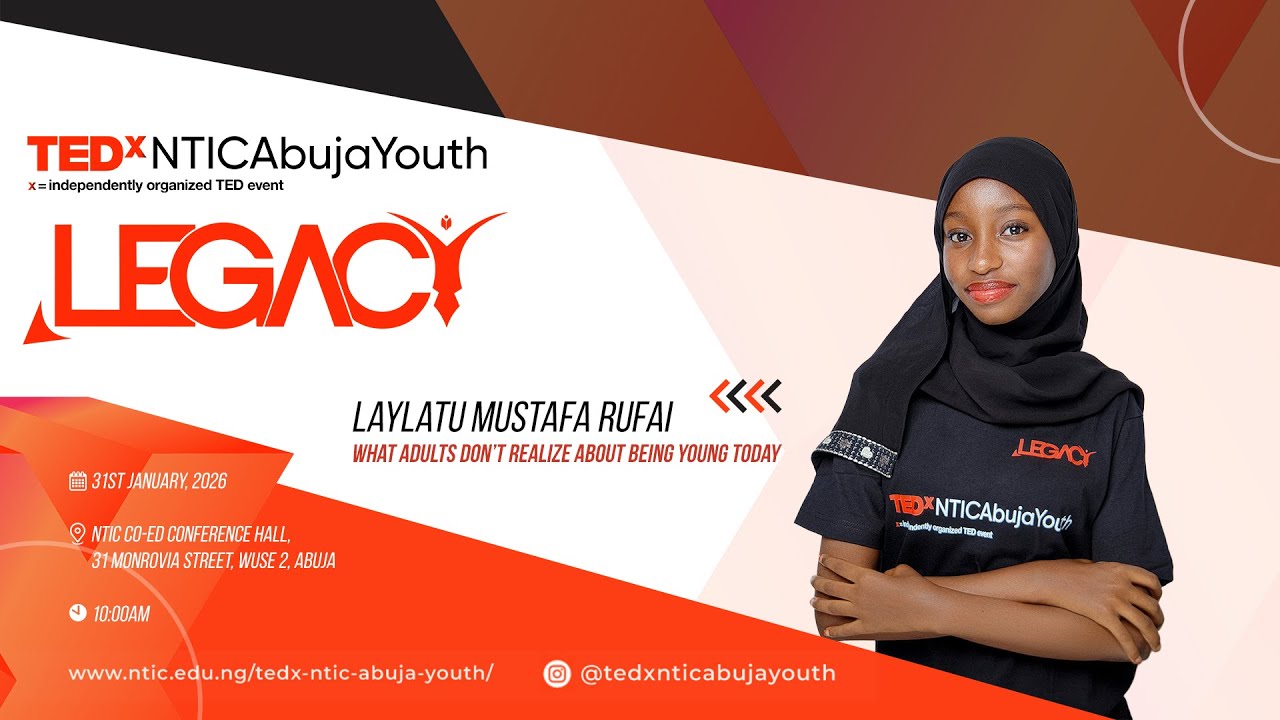
The talk highlights that today’s youth are the first generation to navigate a world where their social mistakes are permanent and their self-worth is constantly quantified by algorithms, creating a unique mental health crisis that adults often dismiss as mere “sensitivity.” Laylatu Mustafa Rufai is an SS2A student at NTIC Coed Abuja. She has a strong interest in youth experiences, communication, and the impact of the digital age on young people. In her TEDx talk, “What Adults Don’t Realize About Being Young Today,” Laylatu draws on personal experiences to explore the realities of growing up in a fast-changing digital world and to encourage greater understanding between generations. Through her voice, she hopes to bridge the gap between young people and adults and create more open, empathetic conversations. This talk was given at a TEDx event using the TED conference format but independently organized by a local community. Learn more at https://www.ted.com/tedx