- Intermittent fasting as a weight loss strategy
- Understanding water weight and its implications
- The physiological effects of fasting on metabolism
- Insulin sensitivity and its role in weight management
- The structure of a successful 30-day weight loss challenge
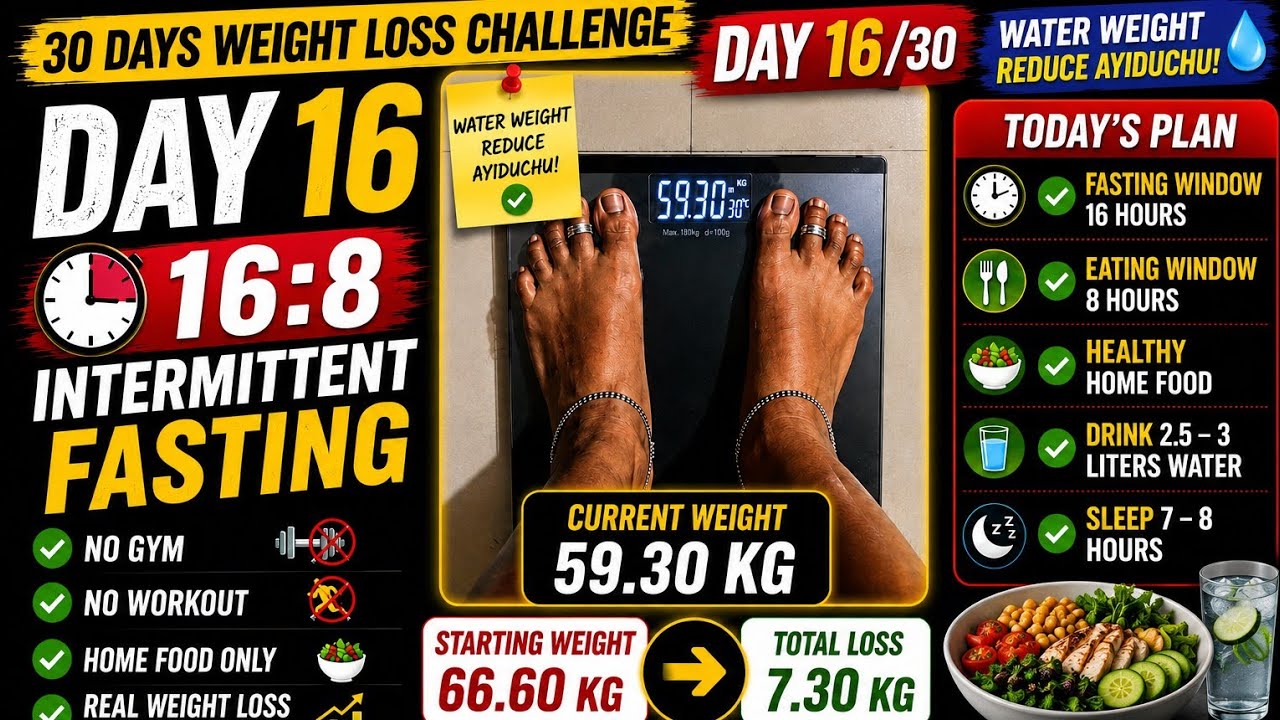
Intermittent fasting has gained significant traction as a weight loss strategy. With its promising results and relative simplicity, it captures the attention of those seeking a more manageable approach to dieting. Specifically, the 16:8 method—fasting for 16 hours and allowing an 8-hour eating window—has become particularly popular. This approach can facilitate substantial weight loss in a relatively short period. By focusing on eating during restricted times, individuals often find it easier to reduce overall caloric intake without feeling deprived.
The experience of Day 16 in a 30-day weight loss challenge frequently entails a noticeable reduction in water weight. This phenomenon is crucial to understand. Water weight typically accounts for a significant portion of fluctuations in body mass. Factors such as diet, physical activity, and hormonal balance can all influence this variable. Reducing water weight can create a sense of accomplishment, especially during early stages of a weight loss journey, as individuals can witness immediate results. Importantly, this reduction often lays the groundwork for sustained fat loss as one continues their dietary regimen.
At the physiological level, intermittent fasting affects metabolism in various ways. During fasting periods, the body transitions from using glucose as its primary energy source to burning fat stores. This switch is facilitated by a decrease in insulin levels, which helps to mobilize fat for energy. The hours spent fasting also promote a state of autophagy—a process where the body cleanses cells, removing damaged parts. Research indicates that this cellular cleanup is beneficial for overall health, promoting longevity and aiding metabolic function.
Moreover, insulin sensitivity plays a vital role in weight management. Individuals with higher insulin sensitivity are able to utilize glucose more effectively, leading to better energy levels and less fat storage. Intermittent fasting can improve insulin sensitivity by stabilizing blood sugar levels and reducing the frequency of insulin spikes. This stabilization is beneficial for both weight loss and overall metabolic health. As insulin sensitivity improves, the body’s ability to process carbohydrates enhances, reducing the likelihood of developing insulin resistance—a precursor to numerous metabolic diseases, including Type 2 diabetes.
Structuring a successful 30-day weight loss challenge requires planning and commitment. Setting realistic goals is essential; individuals should view the journey as not just a month-long program but as a lifestyle alteration. Incorporating balanced, nutrient-dense foods during the 8-hour eating window fosters overall health while aiding in sustainable weight loss. Adequate hydration also plays a significant role. Drinking water can assist in managing hunger and further helps in flushing out excess sodium, contributing to a reduction in water weight.
As participants reach Day 16, they should be mindful of the psychological factors at play. Tracking progress—whether through measurements, photos, or journaling—can reinforce motivation. Celebrating small milestones, such as hitting a weight loss target or feeling more energetic, is critical for maintaining a positive mindset. These achievements can counteract the challenges of weight loss, including plateaus and the temptation to revert to old habits.
The reduction of water weight often leads to initial feelings of improved body composition. However, it’s crucial to recognize that this is a temporary phase. Sustained weight loss requires consistent effort and adaptation. Individuals might experience fluctuations in their weight as body composition shifts towards fat loss over time. Understanding the difference between water weight and fat loss is essential for setting appropriate expectations.
When embarking on intermittent fasting, it is also important to address nutrient intake. While the eating window may be restricted, it is crucial to consume a variety of foods that supply necessary vitamins, minerals, and macronutrients. Protein, fiber, and healthy fats should comprise a significant portion of meals to improve satiety and support metabolic processes. Including whole foods such as fruits, vegetables, lean meats, and whole grains can also promote digestive health, which is beneficial for anyone seeking to lose weight.
Additionally, understanding the potential impact of electrolytes during a fasting regime is beneficial. Staying mindful of electrolytes—sodium, potassium, magnesium, and calcium—can help mitigate unwanted side effects such as headaches or fatigue. Maintaining balance prevents negative symptoms and promotes a smoother fasting experience. Incorporating naturally rich food sources of these minerals during the eating window can maintain optimal body function and support overall well-being.
As individuals progress through this 30-day challenge, mindful engagement with physical activity is essential. Combining fasting with exercise can optimize results. While the initial stages of a weight loss journey may present some fatigue, adapting workout routines and gradually increasing intensity can yield significant benefits. Exercise complements the intermittent fasting approach by not only burning calories but also enhancing metabolic health and promoting muscle preservation.
It’s important to remember that surrounding oneself with a supportive community can bolster efforts. Whether through social media, local support groups, or friends and family, sharing experiences can enhance accountability. Engaging with others who share common goals can provide encouragement during challenging moments, making the process feel less isolating and more collaborative.
As Day 16 marks a critical point in the journey, self-reflection becomes key. Evaluating personal motivations for weight loss aids in reinforcing commitment. Are individuals pursuing weight loss for improved health, aesthetic goals, or emotional well-being? Understanding these motivations can lead to a more profound impact on the journey, ensuring that the focus remains on overall health rather than merely a number on a scale.
Hydration deserves special attention throughout the fasting period as well. While water weight is often what individuals notice first, proper hydration plays an immense role in both physical and mental performance. Drinking enough fluids not only supports metabolism but also enhances cognitive function, which can be especially beneficial during fasting. Regular hydration can curb hunger pangs, facilitating the fasting period smoothly.
In summary, Day 16 of a 30-day intermittent fasting challenge offers valuable insights into weight management. The initial reduction in water weight serves as a motivational catalyst, but understanding the process is vital for sustained efforts. Emphasizing healthy eating, fostering insulin sensitivity, and staying active are crucial components supporting overall success. Adapting to changes, celebrating progress, and nurturing a supportive environment become essential strategies that can lead to long-term health improvements beyond the challenge itself. Weight loss is not merely about aesthetics; it’s about cultivating habits that foster a lifetime of wellness.
*****
Source Description