Summary of Viagra Ingredient Shows Promise for Rare Childhood Brain Disease in Surprising Study:
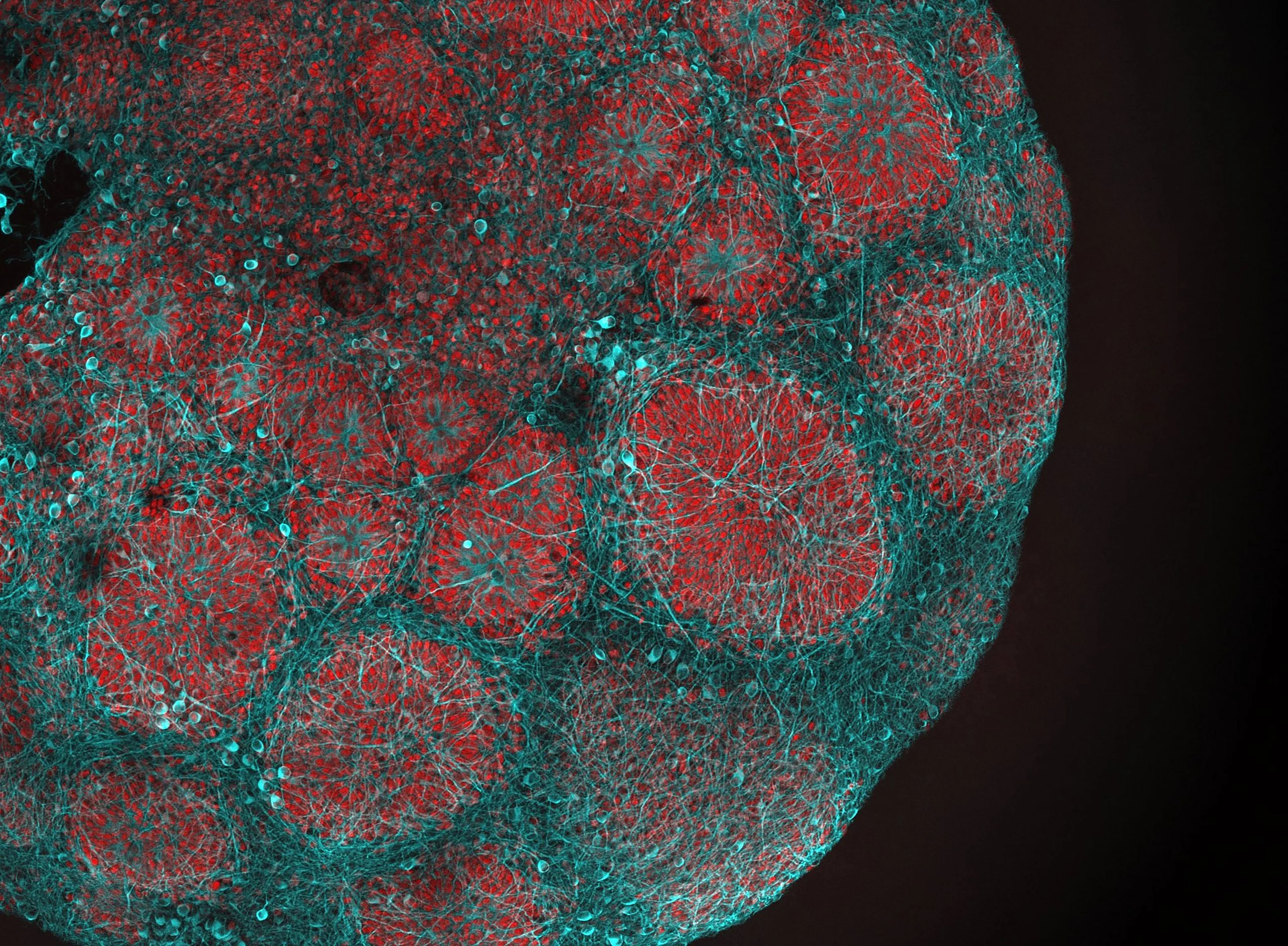
Researchers have found that sildenafil, known as Viagra, may help manage Leigh syndrome, a rare childhood disease with no approved treatments. In a pilot study involving six patients, continuous sildenafil treatment led to improvements in muscle strength and neurological symptoms. This study, published in the journal Cell, involved innovative techniques using brain organoids derived from patient stem cells, allowing for a better understanding of the disease.
Leigh syndrome affects energy production in cells, leading to severe neurological and muscular issues, and usually results in a shorter life expectancy. The clinical implications of sildenafil treatment showed notable enhancements in patients’ quality of life and muscle capabilities.
With the promising results from this small study, researchers are planning a larger, placebo-controlled clinical trial across Europe with the support of the European Medicines Agency, which has granted the drug orphan drug status to facilitate its approval for this condition.
*****
Summary Bullet Points
- Sildenafil’s New Role: The active ingredient in Viagra, sildenafil, may offer promise in treating Leigh syndrome, a rare childhood brain disease.
- Leigh Syndrome Overview: This genetic disorder leads to severe neurological and muscular problems in children, significantly shortening life expectancy.
- Research Breakthrough: A small study showed positive effects of sildenafil on muscle strength and neurological symptoms in patients.
- Innovative Research Approach: Scientists used induced pluripotent stem cells to study the disease and explore potential treatments, leading to sildenafil’s identification as a candidate.
- Next Steps: Plans for a larger clinical trial are underway to validate findings, aiming to potentially approve sildenafil for treating Leigh syndrome.
Sildenafil: A Surprising Ally in the Fight Against Leigh Syndrome
In healthcare, not every miracle comes in the form of groundbreaking gene therapies or futuristic equipment. Sometimes, what appears to be an old, familiar remedy takes on an unexpected yet awe-inspiring role. Enter sildenafil, the active ingredient in Viagra, long famous for treating erectile dysfunction. Today, it is captivating researchers and families dealing with the rare and devastating childhood condition known as Leigh syndrome.
Understanding Leigh Syndrome
Leigh syndrome is a disorder that most often emerges in infancy or early childhood, characterized by its crippling effects on the brain and muscles. Patients grapple with a spectrum of health issues, such as severe mitochondrial dysfunction, muscle weakness, and cognitive disabilities. On a broader scale, these problems translate into significant neurological decline and, unfortunately, a dramatically shortened lifespan.
With few existing treatments, the emergence of potential therapies often seems dim. For families in this predicament, the news of a study demonstrating sildenafil’s potential has ignited a flame of hope in a rather dark landscape.
The Unlikely Hero: Sildenafil
In a groundbreaking pilot study, researchers showcased how sildenafil not only met expectations but exceeded them in delivering positive outcomes in the treatment of Leigh syndrome. Conducted by a collaborative team from universities in Berlin and Düsseldorf, the investigation orchestrated a paradigm shift in how we view old medications.
Using data gathered from six Leigh syndrome patients aged 9 months to 38 years, the research team meticulously monitored improvements in muscle strength and neurological symptoms following continuous sildenafil treatment. The results were remarkable. One child managed to increase their walking distance tenfold, while others reported extraordinary relief from neurological crises that had plagued them for years.
How did something so unexpected—the quintessential treatment for a vastly different condition—prove so effective? It lies in the compound’s capability to relax blood vessels, enhancing blood flow, and thus, energy delivery to cells. For individuals whose very lives depend on optimal cellular function, this adjustment can be transformative.
Overcoming Research Challenges
The path to arriving at this serendipitous revelation was far from straightforward. With Leigh syndrome affecting roughly one in 36,000 children, locating sufficient patient data for clinical trials presents a significant challenge. The relatively sparse population creates hurdles for researchers aiming to uncover effective therapies.
To combat these difficulties, the research team employed an innovative lab technique that has changed the narrative. Skin cells obtained from Leigh syndrome patients were converted into induced pluripotent stem cells—cells capable of morphing into multiple types of cells. This invaluable process allowed the study to generate nerve cells bearing the same metabolic challenges as their living counterparts in affected children.
In total, over 5,500 compounds were rigorously screened to observe their effects on these lab-grown nerve cells, eventually guiding researchers to sildenafil, which stood out in improving cell functionality. What’s more, the study revealed that in three-dimensional brain models, sildenafil stimulated nerve cell growth, reinforcing its potential as a therapeutic agent.
A Step Toward a Brighter Future
While the pilot study has opened up a promising avenue for treating Leigh syndrome, researchers acknowledge that this is just the beginning. A more comprehensive clinical trial is on the horizon. Recognized as an “orphan drug” by the European Medicines Agency (EMA), sildenafil now benefits from a streamlined approval pathway designed for medications addressing rare diseases.
The prospect of expanding this therapy into a wider clinical setting offers encouragement not only to the cohort of families and caregivers tightly woven into the fabric of Leigh syndrome but also to the broader community grappling with the unpredictability of rare diseases.
What Makes This Research Stand Out?
Grappling with rare diseases can feel like a labyrinth; progress often feels stagnant. Yet, the sildenafil study is a beacon illustrating the power of innovation, collaboration, and serendipity. For families caught in the struggle, hope should not be seen as an abstract concept but rather as an active, tangible force.
With limitations existing due to waning patient populations, the work of researchers transcends traditional boundaries. Collaboration across multiple institutions facilitates robust sharing of data and insights that drive momentum toward solutions. History is full of transformative discoveries that stem from unexpected connections, and this is no exception.
The Human Element in Medical Advances
What makes this study resonate so deeply is not just the scientific methods employed or the new treatment explored but the human stories entwined within it. Each participant in the study represents a unique family story—a narrative filled with hope, struggle, resilience, and a steadfast belief in the possibility of change.
For these families, each development represents more than numbers on a page; it embodies the potential for improved quality of life, reduced suffering, and a future that may include normalcy.
Looking Forward
The potential of sildenafil in treating Leigh syndrome is just one example of how old medications can find new life in unexpected ways. As preparations for larger clinical trials gather momentum, the excitement within the medical community is palpable. A casual drug once earmarked for a vastly different application is now spotlighted for a new generation of patients who could desperately benefit from its strengths.
Each study carries the potential to change destinies—not only for individual patients but for entire familial generations who will carry the legacy forward. In a world permeated with complexities and despair, let this story serve as a reminder that within the scientific realm, creativity and innovation know no bounds.
Conclusion
As we delve into the implications of sildenafil’s newly discovered promise, we invite the community, the stakeholders, and the supporters to reflect on how collective efforts in research can be the catalyst for change. Our advancements in understanding the human body and the intricacies of its dysfunction unveil the beauty and fragility of life. The road ahead remains filled with challenges, yet, we stand on the precipice of hope, driving forward a narrative that promises light in places once thought despairing.
In the end, stories like that of sildenafil and Leigh syndrome encourage us to adopt a mindset of resilience. They remind us that extraordinary possibilities can arise when we least expect them; sometimes, hope is merely a research study away, waiting to transform the lives of those who need it most.