Summary of US and UK Veterans Who Volunteered in Ukraine Return Home With Hidden Health Crises:
A new study led by Dr. Victoria Williamson from the University of Bath explores the experiences of US and UK veterans who volunteered to fight in Ukraine, revealing the harsh realities of modern warfare and the significant mental health challenges they face. The research highlights intense combat situations, including drone strikes and trench warfare, and indicates that many veterans received inadequate training and medical support.
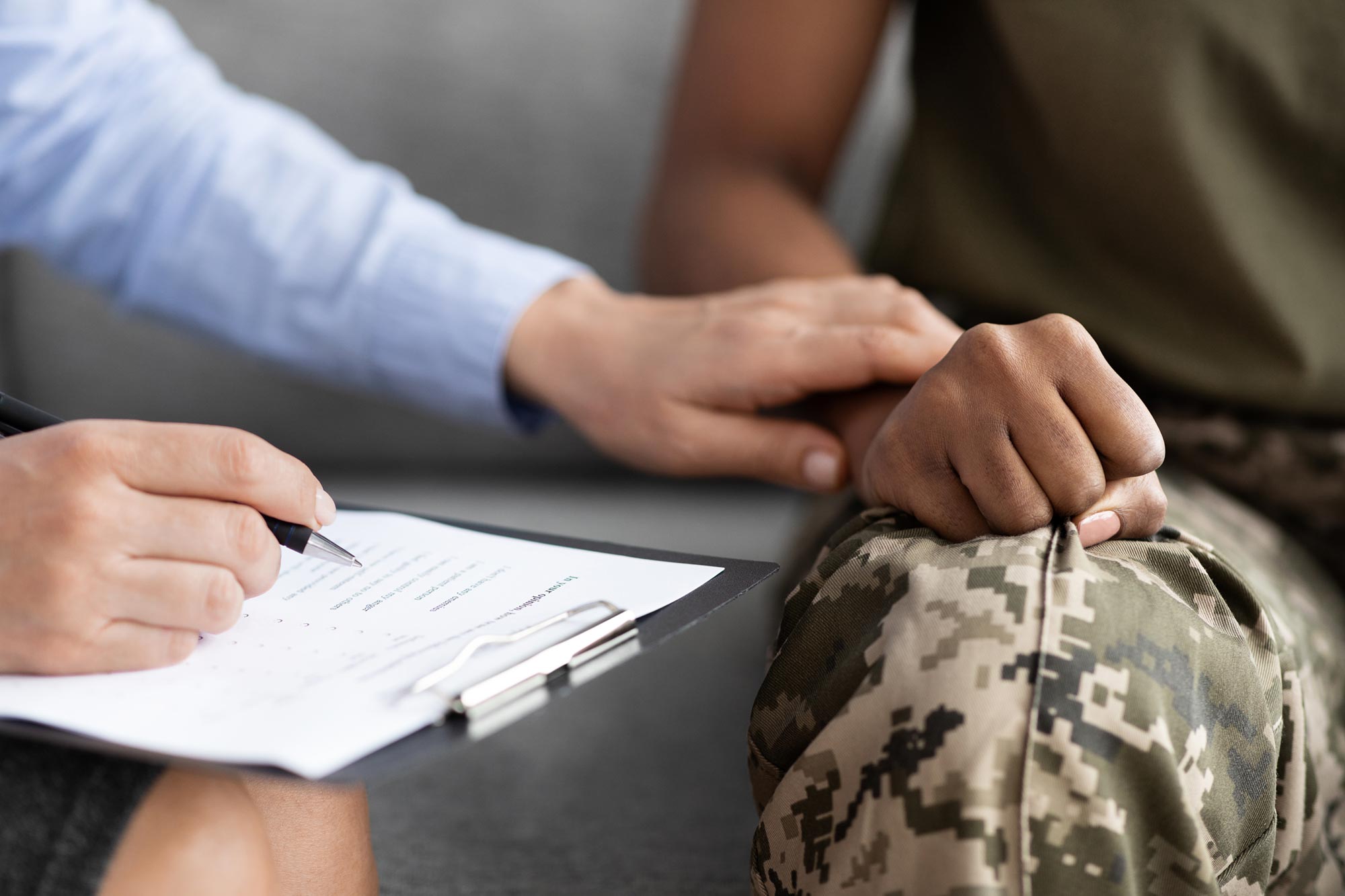
Participants reported high levels of psychological distress, including symptoms consistent with PTSD, moral injury, and difficulties accessing mental health care. The study emphasizes that these veterans often rely on each other for support rather than professional services due to barriers like long waitlists.
With the ongoing conflict, the need for targeted psychological support for this overlooked group is urgent. The research calls for improved healthcare pathways to address the unique needs of foreign veteran volunteers, pointing out that their experiences differ significantly from those of regular military personnel in past conflicts.
The study serves as a stark reminder of the broader mental health impacts of contemporary warfare, extending beyond volunteers to civilians and military personnel affected by modern combat conditions.
*****
Key Takeaways
-
Volunteers on the Frontline: U.S. and U.K. military veterans have volunteered in Ukraine, facing unique challenges in modern warfare, including drone attacks and trench combat.
-
Mental Health Impacts: Many report symptoms of post-traumatic stress disorder (PTSD) and moral injury, struggling with psychological distress due to the intense conditions they experienced.
-
Access to Care: The study highlights significant barriers to accessing mental health resources upon returning home, leading many veterans to rely on fellow volunteers for support.
-
Need for Specialized Support: There’s a pressing need for coordinated healthcare pathways specifically designed for these foreign veteran volunteers, who are often overlooked.
- Global Mental Health Urgency: The mental health consequences of modern conflict extend beyond veterans, affecting civilians and military personnel alike, necessitating broader access to timely support.
Veterans Volunteering in Ukraine: Unmasking Hidden Health Crises
The images of courage, valor, and determination have captivated the world as veterans from the U.S. and the U.K. take up arms to volunteer in the ongoing conflict in Ukraine. Yet, beneath this resolute facade lies a complex tapestry of challenges and unspoken struggles. Though motivated by honor and duty, these veterans are returning home to hidden health crises that demand immediate attention.
The Call to Arms: Motivation Behind Volunteering
What compels military veterans to travel thousands of miles away from home to fight in a foreign land? For many, the answer lies in a combination of personal conviction and a sense of responsibility to support Ukraine’s fight for sovereignty. Feeling a connection with the ideals of freedom and democracy, these individuals, driven by a spirit of camaraderie, often find themselves in the heart of a conflict they may not have anticipated.
However, this choice is rarely straightforward. The romanticized notion of battle often collides with the harsh realities of modern warfare—an experience that many are unprepared for. One of the most striking aspects of volunteering in war-torn environments is the drastic difference in combat conditions compared to previous conflicts like those in Iraq and Afghanistan. Here, the chaos is often uncontained, marked by improvised strategies and unpredictable environments.
The Silent Storm: Mental Health Challenges
Emerging research has brought to light the severe mental health impacts faced by these volunteers. An enlightening study led by Dr. Victoria Williamson from the University of Bath paints a vivid picture, identifying alarming rates of PTSD, anxiety disorders, and moral injury among participants. These mental health challenges often stem from the prolonged exposure to intense combat situations, including ambushes, drone strikes, and the pervasive threat of sudden violence.
Moral injury, a term that resonates with the profound psychological disturbances that occur when one’s actions severely contradict their moral beliefs, underscores the emotional toll of combat. Witnessing friends get injured or feeling compelled to act against ingrained ethical standards can lead to feelings of guilt and shame, as described by many veterans. These psychological conditions are further exacerbated by inadequate mental health resources available upon their return.
Barriers to Care: A Critical Challenge
Imagine returning home, brimming with difficult experiences and emotional baggage, only to face barriers to care that render your suffering invisible. This scenario is painfully real for many veterans who volunteered in Ukraine. According to the researchers, upon returning to the U.S. and U.K., many veterans encountered long waiting lists for mental health services or, worse, found themselves navigating a fragmented healthcare system that failed to acknowledge their unique experiences.
In these moments, fellow volunteers often become the primary source of solace and support. While sharing experiences can create deep bonds, it doesn’t substitute for professional help. Veterans reported recounting traumatic events to one another for emotional relief, yet this peer support lacks the nuanced understanding that mental health professionals can offer. Thus, depicting a vast gap in the necessary clinical care that these individuals require post-conflict.
The Need for Coordinated Resources: An Urgent Call
Dr. Williamson’s findings call for urgent attention to create specialized support systems for veterans who voluntarily engage in foreign conflicts. Today’s healthcare systems must adapt to meet the needs of a unique population that operates outside the traditional military frameworks. This adaptation involves not only rethinking clinical pathways but also recognizing the psychological toll that such combat experiences exact.
Without a comprehensive plan, these veterans risk becoming an overlooked demographic in the ongoing quest for mental health reform. The narrative emphasizing "thank you for your service" often stops short of recognizing the prolonged aftermath of combat experience.
A Global Perspective: The Ripple Effect of Conflict
The complexities of mental health struggles aren’t confined to those who choose to fight. The urgent call for mental health support extends to civilians, political leaders, and military personnel grappling with the pervasive anxiety and trauma that characterize modern warfare. Conflicts have evolved; strategies have shifted from conventional battlefields to urban combat areas where the threat levels remain unpredictable and often indiscriminate.
As conflicts such as the one in Ukraine unfold, they create trauma that reverberates through communities, changing lives irrevocably. This raises critical questions about how mental health care is allocated and who prioritizes it. The psychological ramifications need to be addressed not only for combatants but also for families and communities that carry the emotional scars of war.
Taking Action: Moving Forward Together
So, how can society respond? In a world where distractions abound, the stories of these courageous veterans must not fade away. There lies an opportunity—an obligation, really—to shift our focus from merely honoring their service to actively supporting their needs. Comprehensive mental health programs tailored for this specific group of individuals must be developed. Community awareness, educational resources, and accessible care will be key to bridging the gap.
Investment in mental health services, collaboration between governmental and non-governmental organizations, and grassroots initiatives can cultivate an environment that embraces the complexity of combat’s aftermath. Just as our veterans stepped forward to answer the call during conflict, we too must step up to ensure they receive the care they undeniably deserve.
Conclusion: A Collective Responsibility
The journey of veterans volunteering in Ukraine encapsulates a potent narrative of bravery, sacrifice, and resilience. However, with bravery comes the responsibility to foster holistic care for those who return home bearing invisible scars. As echoes of conflict linger, we have the chance to be part of a solution—creating pathways to healing and instilling hope in a generation of warriors who, despite their honorable service, find themselves grappling with profound challenges.
In our shared humanity lies the power to affect change, heal wounds, and embrace the nuanced stories of those who serve. The call to action resonates beyond borders, touching hearts and igniting conversations on mental health that are as vital as the struggles these soldiers faced on the ground. Let us strive to be the compassionate support system that acknowledges their sacrifice and, together, weave a stronger fabric of care capable of meeting the challenges faced by our veterans.
In the end, the narrative is not just theirs; it’s ours. Let’s foster an environment that prioritizes mental health, understanding, and empathy for all who have experienced the toll of conflict. Together, we can transform hidden crises into healing journeys for these remarkable individuals, compelling society to recognize their strength and vulnerabilities alike.
