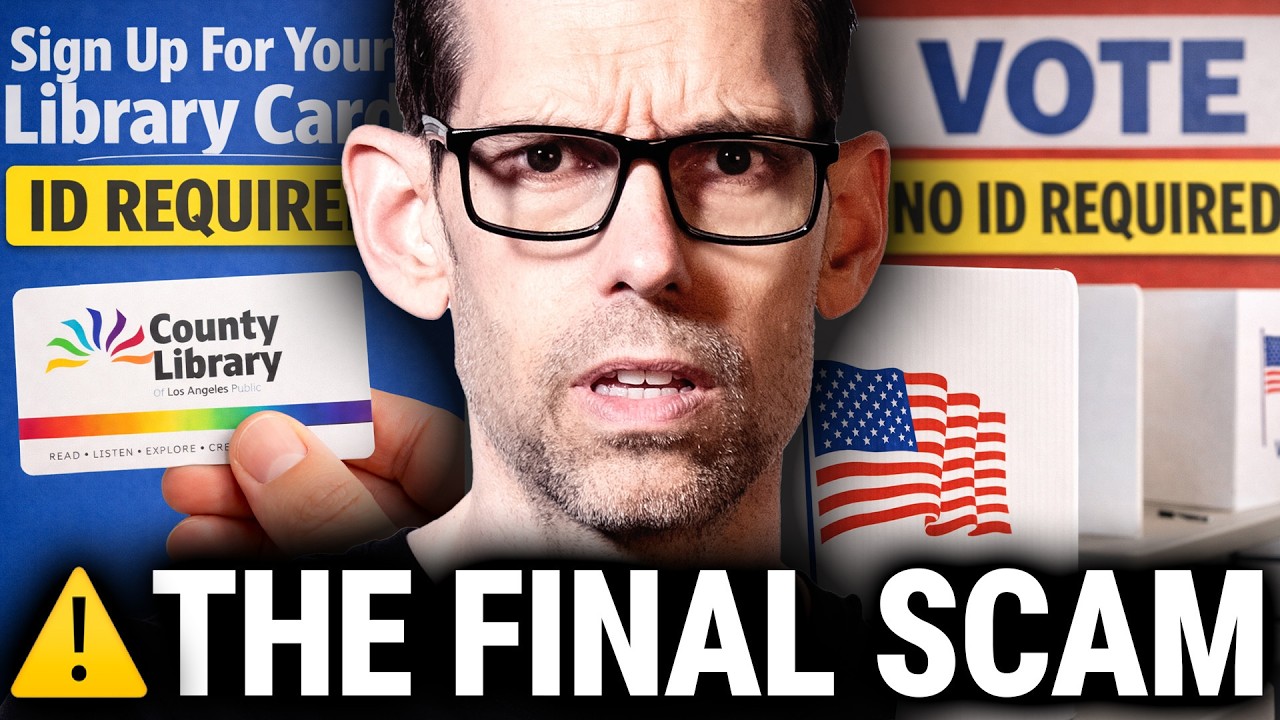
- The SAVE Act: Overview and Implications
- Insulin Sensitivity and Metabolic Health
- Nutritional Strategies Impacting Metabolic Disease
- Societal Awareness and Public Health Initiatives
- The Future of Health Legislation and Dietary Guidelines
The SAVE Act is congressional legislation related to dietary health and metabolic disease, impacting a significant portion of the American population. This legislation primarily aims to address several pressing health concerns linked to insulin sensitivity and metabolic disorder prevalence. Understanding the intricate details surrounding this act sheds light on why 84% of Americans may feel overlooked in matters concerning their health.
Insulin sensitivity refers to how effectively the body’s cells respond to insulin, a hormone crucial for glucose metabolism. Reduced sensitivity can lead to elevated blood sugar levels and contribute to metabolic diseases such as Type 2 diabetes, cardiovascular disease, and obesity. The pressing concern surrounding insulin sensitivity is not merely an individual issue. It has far-reaching consequences for public health, healthcare costs, and quality of life.
The SAVE Act suggests an urgent need for legislative measures targeting dietary health. Evaluating the legislative context reveals that many policymakers are keenly aware of the health crisis stemming from poor nutritional choices, sedentary lifestyles, and socioeconomic disparities. The SAVE Act represents a concerted effort to implement changes that could potentially reverse alarming health trends across various demographics.
The act stresses nutritious food access and emphasizes educational initiatives regarding proper dietary habits. However, conflicting interests often dilute these noble intentions, leaving many Americans feeling like their health concerns are brushed aside. The overwhelming majority of the population remains largely uninformed about how their dietary choices can profoundly influence insulin sensitivity and overall wellbeing.
When investigating nutritional strategies that enhance insulin sensitivity, various entire-food approaches emerge as effective. Whole foods, rich in fiber, healthy fats, and lean proteins, contribute to balanced glucose levels. Foods such as leafy greens, whole grains, nuts, and seeds deliver essential nutrients without triggering the insulin spikes often associated with processed foods. This knowledge is vital for the public, as comprehending the role of diet in metabolic health equips individuals with the tools to make more informed choices.
Moreover, understanding the dynamics between diet and metabolic disorders can empower individuals to take ownership of their health. This empowerment is crucial in a landscape where misinformation is rampant and dietary trends often overshadow scientific evidence. Recognizing the significance of insulin sensitivity encourages a proactive approach to dietary choices, enhancing overall health.
While the SAVE Act aims to educate and inform, its effectiveness hinges on societal reception. Public health initiatives that communicate compelling, evidence-based messages have a more profound impact. When information distills complex nutritional science into actionable recommendations, individuals are more likely to engage. Clear, concise messaging around the importance of diet in mitigating metabolic diseases can effectively bridge the information gap.
Healthcare providers also play an indispensable role in translating the nuances of the SAVE Act into practical advice for patients. Regular outreach, educational workshops, and community engagement can foster a supportive environment that encourages healthier lifestyle choices. Access to nutritionally focused resources and expert guidance can make a significant difference in achieving long-term health.
Legislative measures like those proposed within the SAVE Act can also foster community-focused workshops, pairing diet education with local agricultural initiatives. Such partnerships may lead to nutritional counseling programs that emphasize local food sources and culturally appropriate dietary choices. Furthermore, promoting access to healthful foods in underserved areas can significantly affect insulin sensitivity on a larger scale.
However, to truly amplify the benefits of the SAVE Act, continuous evaluation and adjustment of public health policies are essential. Monitoring the efficacy of these initiatives ensures they remain relevant to the evolving needs of the population. Legislative support is only the beginning. Enduring progress requires collaborative efforts to build community awareness and initiate lasting change in dietary habits.
As discussions surrounding the SAVE Act progress, it is critical to keep in mind that improvements in public health outcomes depend on more than policy alone. A cultural shift toward valuing nutrition as a fundamental aspect of health is necessary. This shift can only happen through consistent advocacy and education, ensuring that all individuals understand that they have a stake in their health journey.
In synchronization with public initiatives, grassroots movements focused on improved nutritional literacy are gaining momentum. Many organizations are now committing to bridging the gap between knowledge and application. By providing resources to assist people in making informed dietary choices, these groups contribute to a paradigm shift in how we view nutrition and health.
In conclusion, the SAVE Act signifies a pivotal moment in addressing metabolic diseases through legislative action focused on improved dietary health. The intertwining of insulin sensitivity, nutrition, and public health unveils a narrative that demands attention. The overwhelming statistics concerning Americans facing health issues related to diet paint a stark picture, one that demands immediate action and reliable information.
Engaging individuals in their health decisions is more than a policy initiative; it is an imperative that calls for commitment from lawmakers, healthcare professionals, and the public. The journey toward a healthier society is multifaceted and involves understanding the role of nutrition in optimizing metabolic health. With sustained effort and collaboration, communities can foster environments conducive to health, thus ensuring the SAVE Act translates into tangible benefits for all Americans.
*****
Source Description
Cape: 33% off your first 6 months with code IMPACT at https://cape.co/impact
Pique: 20% off at https://piquelife.com/impact
Welcome back to Impact Theory with Tom Bilyeu. In this thought-provoking episode, Tom Bilyeu dives deep into the heated debate around voter ID laws, unraveling the real reasons behind the controversy. Using eye-opening examples from around the world, Tom Bilyeu challenges the idea that requiring ID to vote is about race or suppression, and instead explores how political incentives and structural systems shape the conversation.
You’ll hear compelling stories of everyday fraud, surprising facts about global voting requirements, and a breakdown of how census data and immigration policy intertwine to affect political power and the economy in the United States. Tom Bilyeu brings clarity to a complex issue—connecting dots between voter ID, immigration, welfare, and the national debt—while offering practical insights on what we, as citizens, can do to protect the integrity of our vote and our wallets. If you’re ready to challenge the narrative and think deeper about power, policy, and the future, this episode is for you.
Check us out wherever you get your podcasts:
Spotify:
Apple: https://podcasts.apple.com/us/podcast/tom-bilyeus-impact-theory/id1191775648
Do you need my help?
STARTING a business: join me here inside ZERO TO FOUNDER (https://tombilyeu.com/zero-to-founder)
SCALING a business: click here to see if you qualify (https://tombilyeu.com/scale)
Get the exact systems, mindset shifts, and principles that built a $1B brand delivered straight to your inbox every week. Subscribe for free (https://tombilyeu.com)
Check out our Video game – Project Kyzen: (https://projectkyzen.io/)
Catch Me Streaming on Twitch – (https://twitch.tv/tombilyeu)
Link to IT discord: https://discord.gg/TZKJ2etPbT
Tom’s Favorite Things List: https://amzn.to/41Ftt7e
FOLLOW TOM:
Instagram: https://www.instagram.com/tombilyeu/
Tik Tok: https://www.tiktok.com/@tombilyeu?lang=en
Twitter: https://twitter.com/tombilyeu
YouTube: https://www.youtube.com/@TomBilyeu
Voter ID, government-issued photo ID, voter fraud, biometric voter ID, U.S. Senate, SAVE Act, citizenship proof, voter rolls, voting suppression, census, House of Representatives, Electoral College, illegal immigrants, census impact, congressional districts, path to citizenship, immigration policy, social safety net, federal deficit, national debt, money printing, balanced budget, welfare state, skilled immigrants, low-skilled immigrants, social integration, sanctuary states, economic impact of immigration, taxpayer spending, political power, voting laws
