- The potential conflicts of interest in medical guidelines.
- How screening practices may not always align with individual health needs.
- The impact of diet and lifestyle choices on metabolic diseases.
- The importance of insulin sensitivity in disease prevention.
- Re-evaluating the role of standardized medical interventions.
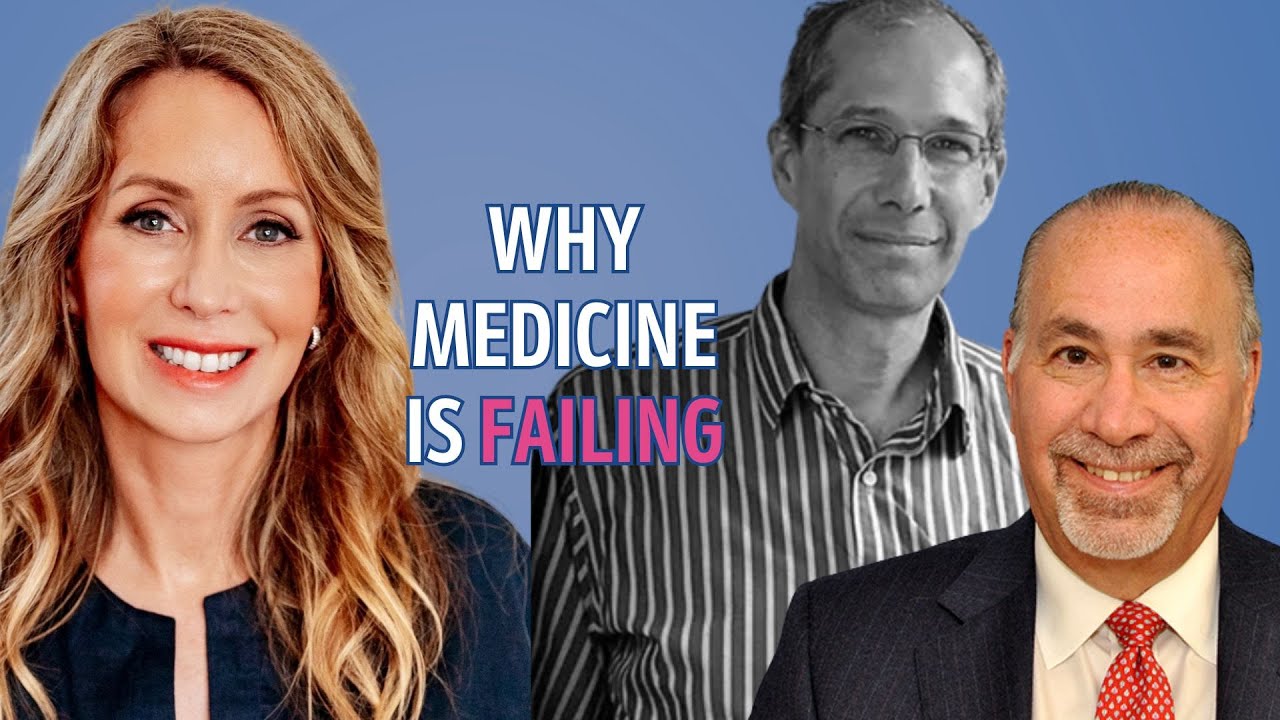
The landscape of healthcare is shaped significantly by medical guidelines and screening protocols. Often perceived as the gold standard for diagnosing and preventing diseases, these guidelines may not always provide an accurate reflection of best practices for individual patients. Drs. Andy Lazris & Alan Roth’s examination reveals critical issues surrounding these modern directives.
One of the fundamental concerns is the potential for conflicts of interest that can color medical guidelines. Various organizations and advisory boards often involve contributors with ties to pharmaceutical companies or medical device manufacturers. This intersection may influence recommendations, resulting in guidelines that favor certain treatments or testing methods. Stakeholders may unknowingly prioritize financial gain over patient care. This undermines the integrity of the guidelines, sparking an ongoing debate about their true objectivity.
Equally important is the realization that screening practices do not always align with the real needs of patients. Testing for numerous conditions might seem prudent; however, it can lead to overdiagnosis and overtreatment. Patients may find themselves undergoing unnecessary procedures or receiving medications that carry significant side effects. Those procedures might not meaningfully alter health outcomes. Such ethical dilemmas emphasize the need for personalized medicine—an approach where interventions are tailored to individual risk profiles rather than a one-size-fits-all attitude.
Refusing to consider diet and lifestyle factors limits the overall effectiveness of modern medical guidelines. Many prevalent metabolic diseases, such as diabetes and cardiovascular diseases, can often be traced back to dietary habits and physical activity levels. Simple changes such as optimizing food intake or increasing exercise can significantly impact overall health. Reliable studies show a compelling connection between diet quality and insulin sensitivity, which is a crucial element in managing metabolic diseases. When this aspect is overlooked, patients miss valuable opportunities to address health issues through more natural, non-pharmaceutical means.
Insulin sensitivity deserves special attention. Insulin plays a vital role in the body’s metabolism, facilitating the uptake of glucose into cells. When insulin sensitivity diminishes, leading to increased blood sugar levels, it can set the stage for serious metabolic disturbances. Enhancing insulin sensitivity through dietary modifications—such as reducing processed sugars and carbohydrates—could preemptively tackle conditions like Type 2 diabetes and obesity. Patients often do not receive adequate education regarding how lifestyle adjustments can influence insulin function. As a result, health literacy among patients becomes paramount for effective disease prevention.
Lastly, reconsidering standardized medical interventions can provide new insights into patient outcomes. Guidelines may favor established pathways, potentially neglecting new research or innovative strategies. Health professionals—including doctors and dietitians—should be encouraged to think critically and remain adaptable to rising evidence that may not yet be encapsulated within existing guidelines. This represents a shift from reliance on standardized care to more individualized management options, factoring in distinctive patient circumstances.
The pressing need for a reassessment of how medical guidelines and screening protocols are structured cannot be overstated. A comprehensive understanding of conflicts of interest, the implications of screening practices, and the significance of diet and lifestyle choices is essential. As individuals, caregivers, and practitioners navigate the healthcare landscape, fostering a culture of informed decision-making will offer the best pathway towards improved health outcomes.
Investigating the interrelation of lifestyle and dietary habits with metabolic diseases solidifies the argument for more patient-centered care. The conventional reliance on biochemical markers and medical intervention sometimes fails to account for everyday lifestyle factors that are paramount for sustaining long-term health. Therefore, broader discussions around preventive healthcare must incorporate various dimensions, from nutrition to lifestyle optimization.
Patients should become advocates for their own health, actively participating in discussions surrounding their medical care. They can seek clarification on medications proposed within the context of guidelines and ask whether alternative approaches might yield better, less invasive results. This proactive stance will drive discussions on quality of care, potentially evolving existing guidelines to reflect a more holistic understanding of health and wellness.
The potential for significant enhancements in public health measures exists if we redirect focus towards evidence-based dietary and lifestyle recommendations. As society grapples with rising rates of chronic diseases, there is a pressing need to highlight the powerful role of nutrition and physical activity in preventive care. Furthermore, enhancing community health education can empower individuals to make informed choices that mitigate their risk for metabolic disorders.
Informed decision-making hinges on access to clear, comprehensible data. The ambiguity that often surrounds medical guidelines can create confusion among patients. Simple explanations regarding the rationale for screenings or treatments should be the norm. Emphasizing empowered healthcare choices leads to an improved understanding of one’s body and conditions—essential for optimal patient outcomes.
Ultimately, this cultural shift will require a collaborative effort among healthcare professionals, patients, and institutions, revisiting established guidelines to integrate recent findings and patient experiences. Ensuring that each patient understands their own specific health risks plays a critical role in optimizing interventions tailored to their needs. Moreover, as treatments and prevention strategies evolve, so too must the frameworks through which these are provided.
The conversation must center around patient empowerment and a keen focus on their unique health data. Such an approach improves adherence to suggested recommendations and fosters a more reciprocal relationship with healthcare providers. Proper education surrounding the role of diet in metabolic disorders can shift the dialogue from mere treatment to proactive health maintenance.
In embracing this paradigm shift, the spectrum of healthcare can expand, recognizing that pressing issues arise from a broader social and lifestyle context. Rethinking modern medical guidelines and screening methods ensures that health advice is both useful and aligned with patients’ best interests. By placing value on informed, personalized healthcare and addressing potential conflicts of interest, the path toward better health outcomes becomes more apparent.
*****
Source Description
Download my Lab Recommendations Guide https://app.gohighlevel.com/v2/preview/ciNfJ9f6CcYp2jgGx3Ri?notrack=true
Today, I am honored to connect with doctors Andy Lazris and Alan Roth, the authors of A Return to Healing. Dr. Lazris, a physician practicing geriatric primary care medicine in Maryland, is a Certified Medical Director who orchestrates medical care and provides education for several long-term care facilities. Dr Roth is a physician, practicing family medicine and palliative care in New York. He is the Chairman of the Department of Family Medicine and Ambulatory Care at MediSys Health Network.
In our discussion, we explore the impact of the Flexner Report, including how it has reshaped our medical system and clinical guidelines, expanded the definition of disease, and influenced critical thinking. Drs. Lazris and Roth explain how challenging established medical dogma becomes even more problematic within a Flexnerian framework. They examine the prevalence of ineffective and costly procedures, the manipulation of research studies, the role of documentation in medical literature, and the impact of terms like non-compliant and histrionic on the quality of patient care. They also clarify what actually happens with screening measures and how patients can find excellent care.
Their book, A Return to Healing, is truly a love letter to their communities. It is a must-read for anyone seeking to understand the complexities of our current medical system and how it has gotten derailed.
#CynthiaThurlow #womenshealth #wellness #IF #intermittentfasting #fastingforwomen #bioindividuality #health
For more information please visit me here: https://cynthiathurlow.com/
This video is for educational and informational purposes only and solely as a self-help tool for your own use. I am not providing medical, psychological, or nutrition therapy advice. You should not use this information to diagnose or treat any health problems or illnesses without consulting your own medical practitioner. Always seek the advice of your own medical practitioner and/or mental health provider about your specific health situation.