- Hormonal Changes and Their Impact on Energy Levels
- Nutrition and Its Role in Fatigue After 40
- The Connection Between Insulin Sensitivity and Energy
- Sleep Patterns and Their Influence on Daily Fatigue
- Lifestyle Factors that Contribute to Constant Tiredness
As people reach the age of 40, many begin to notice a significant shift in their energy levels. Fatigue can become a persistent issue, often causing concern and confusion. Understanding the primary factors contributing to this tiredness is vital for improving overall well-being and vitality. This article delves into the hormonal, nutritional, metabolic, sleep, and lifestyle dimensions of constant fatigue encountered in those over 40.
Hormonal Changes and Their Impact on Energy Levels
As individuals transition into their 40s, hormonal fluctuations become more apparent. In both men and women, the levels of sex hormones such as testosterone and estrogen start to decline. These hormones play a pivotal role in energy production, mood regulation, and muscle mass maintenance. Decreased testosterone in men can lead to reduced motivation and increased fatigue. Similarly, the drop in estrogen for women, particularly during menopause, can significantly affect energy levels.
Thyroid hormones also contribute to how energized an individual feels. The thyroid gland regulates metabolism, and any disruptions can lead to fatigue. Hypothyroidism, characterized by low thyroid hormone levels, becomes more common with age. Symptoms often include tiredness, weight gain, and overall lethargy. Regular check-ups and blood tests can help identify these hormonal imbalances and guide interventions that may reinvigorate energy levels.
Nutrition and Its Role in Fatigue After 40
Diet plays a crucial part in how one feels physically and mentally. Nutritional needs evolve with age, and often, individuals may not adjust their diets accordingly. A balanced diet rich in whole foods, including fruits, vegetables, lean proteins, and healthy fats, provides essential nutrients that bolster energy.
Carbohydrate intake can also influence energy levels. Refined carbs can cause rapid spikes in blood sugar followed by crashes, leading to feelings of tiredness. Instead, opting for complex carbohydrates can provide sustained energy. Foods that are rich in fiber, such as whole grains, legumes, and vegetables, release energy more steadily.
Micronutrients also deserve attention. Vitamins such as B12, iron, and magnesium are vital for energy metabolism. A deficiency in B12 can lead to anemia, causing excessive fatigue. Iron is critical for oxygen transport in the blood. Therefore, ensuring adequate intake of these vitamins can help stave off tiredness. Multivitamins or targeted supplements might be beneficial, especially if dietary habits are insufficient.
The Connection Between Insulin Sensitivity and Energy
Insulin sensitivity refers to how effectively the body responds to insulin. With declining insulin sensitivity, common after 40, individuals may experience energy dips and increased fatigue. Insulin resistance, a condition where the body’s cells do not respond correctly to insulin, can lead to elevated blood sugar levels. This condition is often a precursor to type 2 diabetes.
Excess weight can exacerbate insulin resistance, leading to a vicious cycle. When the body’s energy systems are compromised due to high blood sugar levels, fatigue often follows. Reducing sugar and processed food intake, along with increasing physical activity, can help enhance insulin sensitivity. This, in turn, can improve energy levels and overall health.
Sleep Patterns and Their Influence on Daily Fatigue
Sleep quality and quantity have a direct correlation with how rested one feels. With age, many experience disturbances in sleep patterns. Conditions such as sleep apnea become more prevalent after 40, causing fragmented sleep and, subsequently, daytime fatigue.
Rapid Eye Movement (REM) sleep, crucial for cognitive functions and emotional regulation, may become less frequent with age. Establishing a consistent sleep routine, limiting screen time before bed, and ensuring a comfortable sleeping environment can significantly improve sleep quality. Additionally, mindfulness practices like meditation can help reduce stress, promoting a better sleep experience.
Lifestyle Factors that Contribute to Constant Tiredness
Lifestyle choices significantly influence energy levels. Physical activity, or the lack thereof, plays a critical role. Regular exercise promotes healthy circulation, enhances mood, and improves sleep quality. In contrast, sedentary behavior contributes to a decline in energy and overall health.
Stress management is another essential factor. Chronic stress leads to the release of cortisol, a hormone that can sap energy if consistently elevated. Finding effective stress-reduction strategies, such as yoga, meditation, or engaging in hobbies, can combat fatigue.
Social connections also play a part. Isolation can lead to feelings of tiredness and lethargy. Maintaining strong relationships fosters emotional resilience, which can counteract feelings of fatigue and improve mood.
As individuals pass into their 40s, several interconnected factors contribute to tiredness. Hormonal changes can alter energy levels, while nutrition profoundly influences how energetic one feels. Insulin sensitivity is critical for maintaining consistent energy. Sleep patterns and lifestyle choices further dictate overall fatigue. By addressing these aspects holistically, one can effectively combat the tiredness that tends to accompany this age threshold. Engaging in healthier habits, optimizing nutrition, and prioritizing self-care can revitalize energy levels and improve quality of life.
*****
Source Description
To purchase my new book, The Menopause Gut please visit here: https://www.penguinrandomhouse.com/books/777129/the-menopause-gut-by-cynthia-thurlow-np/
To purchase Wonderfeel Youngr™ NMN: https://getwonderfeel.com/product/wonderfeel-youngr-nmn/?utm_source=Cynthia&utm_medium=podcast&utm_campaign=episode2
Between April 15 and April 30, listeners can receive a travel size Youngr™ NMN pouch ($22 value) with their first order using the code CYNTHIATHURLOW (US orders only)
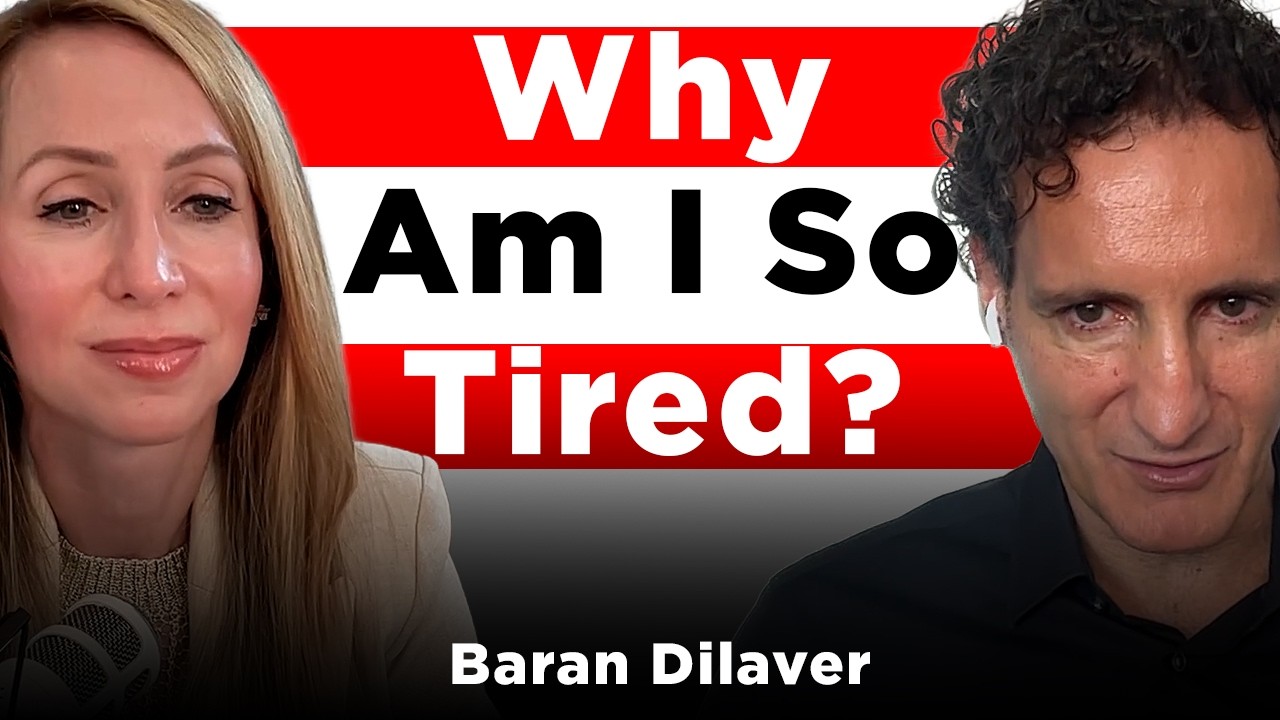
I’m delighted to connect with Baran Dilaver. Baran is an entrepreneur, creator, and accomplished executive, and also the co-founder of Wonderfeel Biosciences, a longevity-focused bioscience company that pioneers cellular health innovations through its patented NAD products. (You will likely remember the dynamic interview I did last year with Dr. Andrew Salzman, the MD and Chief Medical Officer of Wonderfeel.)
In today’s conversation, Baran and I explore the science of cellular energy and its wide-ranging benefits. We cover the physiology of NAD and other nutraceuticals, the key markers of inflammation, and the precursors in Wonderfeel’s formulas that enhance absorption and assimilation. We discuss how NAD and creatine monohydrate each fuel cellular energy, their powerful synergistic effects, and the NAD-creatine combination as a powerful midlife stack. We also get into brain fog, mood, and stress resilience, along with the FDA’s clarification on NMN and other nutraceuticals, and why NAD injections and IV NAD may fall short compared to oral precursors like NMN and NR. I also share my experience trying Wonderfeel’s newest product, ChocoCreatin™.
You won’t miss this in-depth conversation with Baran Dilaver of Wonderfeel, as he shares his expert perspective on NAD and creatine monohydrate supplementation.
#CynthiaThurlow #MenopauseGutHealth #GutHealthDuringMenopause #
HormoneBalanceForWomen #PerimenopauseSymptomsRelief #MicrobiomeHealth #GutBrainAxis #WomensHealthOver40 #MenopauseBloatingRelief #GutHealthForWomenOver40 #HealYourGutNaturally #MenopausePodcast #HealthPodcast #AuthorInterview
For more information please visit me here: https://cynthiathurlow.com/
This video is for educational and informational purposes only and solely as a self-help tool for your own use. I am not providing medical, psychological, or nutrition therapy advice. You should not use this information to diagnose or treat any health problems or illnesses without consulting your own medical practitioner. Always seek the advice of your own medical practitioner and/or mental health provider about your specific health situation.