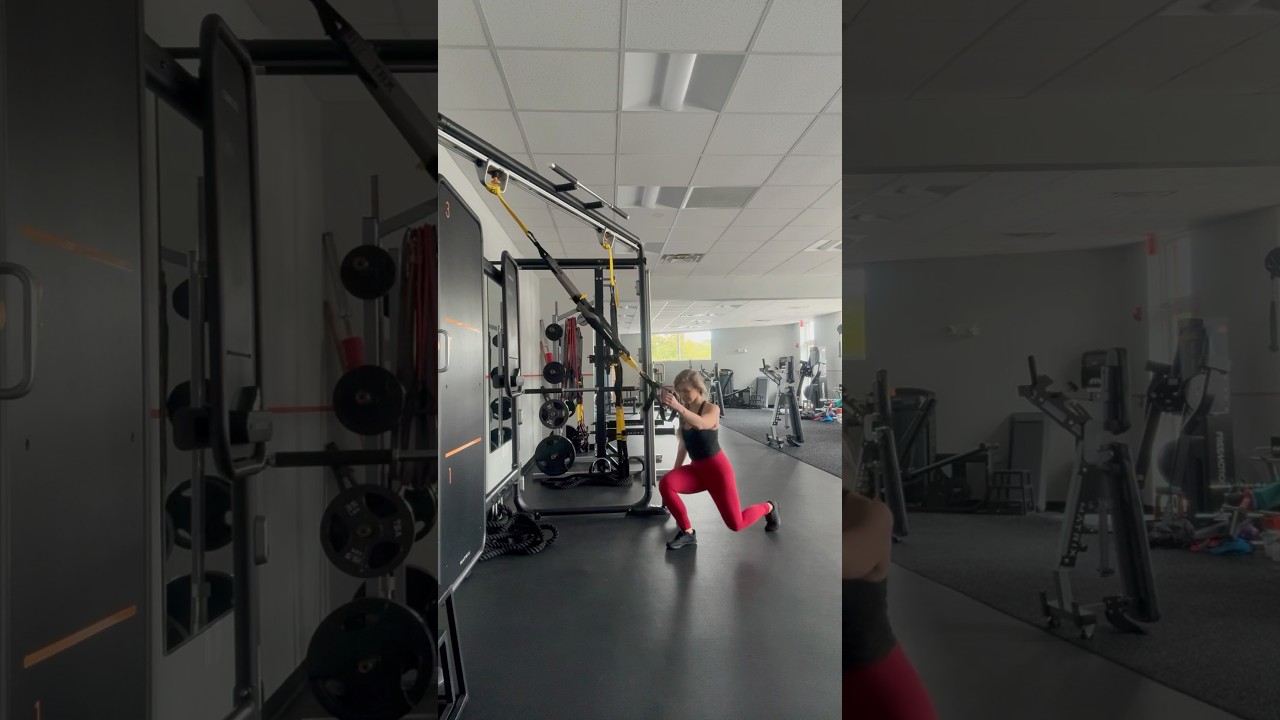
- Understand the mechanics and benefits of the TRX reverse lunge for fitness.
- Explore the role of diet in enhancing exercise performance and recovery.
- Discover the connection between exercise, metabolic health, and insulin sensitivity.
- Learn how the TRX reverse lunge contributes to strengthening and balance.
- Gain insights into adopting a holistic approach to fitness and wellness.
The TRX reverse lunge is an exercise that combines functional strength-building with balance and coordination. Utilizing the TRX suspension system, this move requires engagement from various muscle groups, providing a comprehensive workout. The mechanics involve stepping backward into a lunge while holding onto the TRX handles for support, which targets the glutes, hamstrings, and core muscles. One of the primary advantages of the TRX reverse lunge is its ability to challenge stability, fostering improvements in proprioception and overall balance. This exercise can be modified to suit different fitness levels by adjusting the angle and depth of the lunge, making it accessible yet challenging.
The nutritional aspect is equally pivotal when considering exercise routines like the TRX reverse lunge. Proper diet enhances performance and aids in recovery. Consuming a balanced array of macronutrients—proteins, fats, and carbohydrates—is essential for energy and muscle repair. Proteins play a key role in muscle synthesis and recovery, making them a vital part of post-workout nutrition. Incorporating lean sources like chicken, fish, and plant-based options can significantly improve results. Fats, particularly omega-3s, reduce inflammation, while carbohydrates restore glycogen levels, essential for subsequent workouts. Timing of meals is crucial; consuming a combination of protein and carbs within a 30-minute window post-exercise can optimize recovery.
The interplay between exercise and metabolic health is a major area of interest. Engagement in exercises like the TRX reverse lunge promotes improved insulin sensitivity, reducing the risk of metabolic diseases such as type 2 diabetes. Regular physical activity enhances the efficiency of insulin in the body, facilitating better glucose uptake by cells. This process also boosts metabolic rate, aiding in weight management and fat loss. The TRX reverse lunge, by activating large muscle groups, plays a role in maintaining a healthy metabolism. For those with insulin resistance, including this exercise in a routine could be beneficial.
Balance and coordination are critical components of fitness, often overlooked yet essential. The TRX reverse lunge improves these elements by requiring continuous adjustments to maintain proper form. The instability provided by the TRX system demands activation from the core and stabilization muscles. This translates to better performance in daily activities and sports, reducing the chance of falls or injuries. Moreover, strengthening the muscles surrounding the joints enhances joint health, providing protection against age-related decline.
Adopting a holistic approach to fitness encompasses more than just exercise. It includes attention to nutritional needs and understanding the body’s signals. Listening to your body ensures you don’t push beyond its limits, preventing injuries and promoting longevity in physical activities. Active rest, like yoga or walking, can also support recovery and maintain overall well-being. Integrating the TRX reverse lunge within a varied routine keeps workouts engaging, targeting various aspects of fitness for comprehensive health benefits.
*****
Source Description