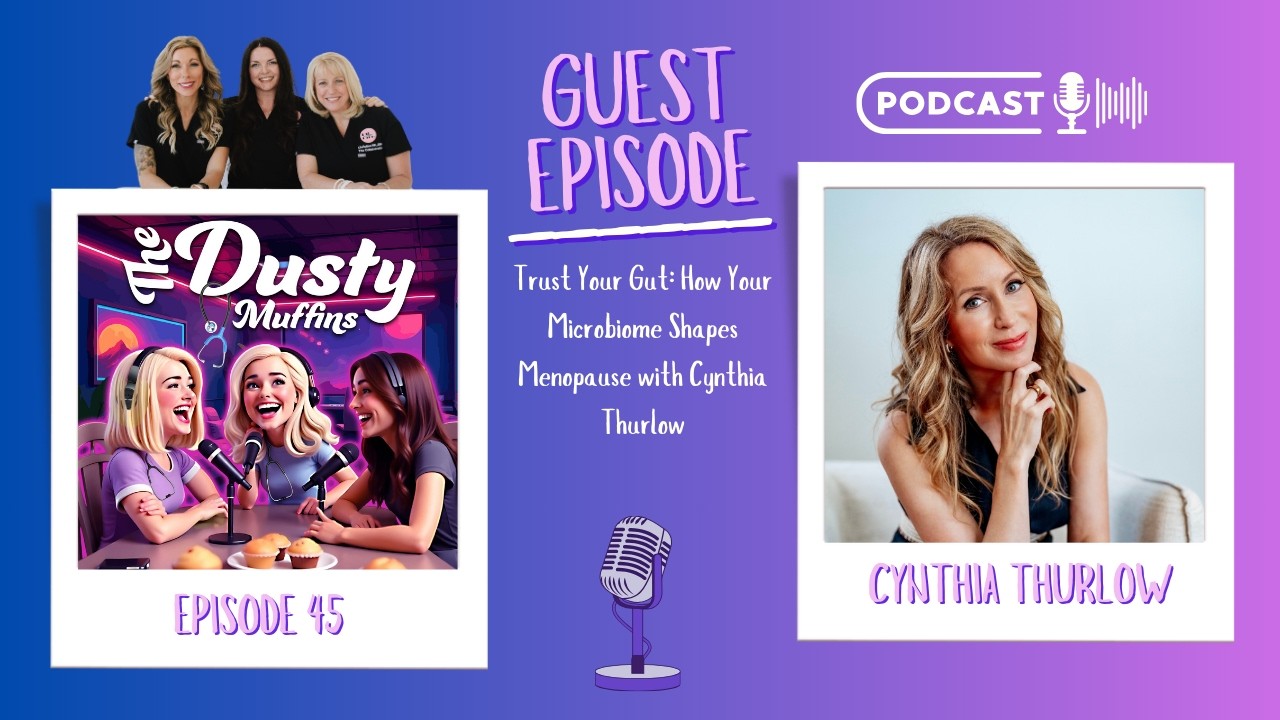
- The critical role of the microbiome in women’s health and menopause
- Connections between insulin sensitivity and gut health during menopause
- Dietary strategies to support microbiome health during menopause
- The impact of lifestyle factors on gut bacteria and menopause symptoms
- Understanding the potential implications of microbiome research for menopause management
The relationship between the microbiome and overall health is extensive and critically important, particularly for women navigating menopause. The gut microbiome, a complex community of microorganisms residing in the digestive system, plays a vital role in numerous physiological processes. Emerging evidence suggests that it significantly influences hormonal changes, mental health, and even metabolic conditions during this transitional life stage.
Menopause is marked by a decrease in estrogen levels, leading to various symptoms such as hot flashes, mood swings, and weight gain. New research highlights how the microbiome interacts with these hormonal fluctuations. Gut bacteria can produce metabolites that influence estrogen levels, thereby impacting menopausal symptoms. An imbalance in gut microbiota—dysbiosis—has been correlated with increased inflammation and metabolic disorders. Studies indicate that maintaining a healthy microbiome can mitigate some menopause symptoms and improve quality of life.
Insulin sensitivity is another key factor that can profoundly affect a woman’s experience during menopause. During this stage, hormonal changes can predispose women to insulin resistance, which may lead to weight gain and increased risk for type 2 diabetes. The relationship between the microbiome and insulin sensitivity is particularly intriguing. Certain bacteria are known to promote better insulin sensitivity, while others can exacerbate resistance. This creates a complex interplay between gut health and the metabolic changes commonly experienced during menopause. Improving gut health may thus serve as a strategic approach in managing insulin sensitivity and related symptoms.
Dietary strategies are crucial for supporting a healthy microbiome during menopause. Focusing on a diet rich in fiber from fruits, vegetables, and whole grains can promote the growth of beneficial gut bacteria. Probiotics and fermented foods, such as yogurt, kefir, and sauerkraut, introduce live beneficial bacteria to the gut. These foods enhance gut diversity, which can alleviate some menopausal symptoms and help in maintaining a healthy weight.
Moreover, the Mediterranean diet, known for its anti-inflammatory properties, has garnered attention for its potential benefits during menopause. This diet emphasizes healthy fats, such as olive oil, fish, nuts, and seeds, alongside regular consumption of legumes and grains. Research suggests that adherence to the Mediterranean diet may facilitate better microbiome composition, improve metabolic health, and ease some menopausal symptoms.
Lifestyle factors also exert considerable influence on gut health and menopause. Regular physical activity is one of the most effective ways to enhance microbiome diversity. Exercise encourages the proliferation of beneficial gut bacteria, thereby supporting metabolic health and reducing the severity of some menopausal symptoms. Sleep is another critical factor. Disrupted sleep can worsen menopause symptoms, and emerging research indicates that poor sleep may alter gut microbiome composition, creating a vicious cycle of health challenges.
Stress management also plays a pivotal role in gut health. Chronic stress can contribute to dysbiosis, increasing the prevalence of harmful bacteria while diminishing beneficial strains. Integrative practices such as mindfulness, yoga, and meditation can foster emotional well-being and positively alter gut microbiota.
Current research on the microbiome offers exciting possibilities for women dealing with menopause. Understanding the intricate relationship between gut health, insulin sensitivity, and hormonal shifts provides new avenues for effective management of menopausal symptoms. Moving forward, this area of study holds strong potential for influencing treatment options and health outcomes for women in this stage of life. Exploring how the microbiome shapes menopause opens the door to a fresh set of strategies designed to ease this natural transition, creating healthier lifestyles that not only improve symptoms but enrich overall health.
In sum, the interplay between the microbiome and menopause is compelling and deserves wider attention. Strategies emphasize dietary adjustments, physical activity, and stress management, representing a holistic approach to improving menopausal health. Focusing on gut health stands to have profound implications not just for symptom management, but for long-term health outcomes as well. Understanding how to leverage the gut’s power is essential to navigating menopause successfully.
*****
Source Description
What if the key to navigating menopause with more energy, clarity, and vitality was living inside you all along? In this fascinating and game-changing episode of The Dusty Muffins, our expert trio—Dr. Aoife O’Sullivan (MD, MSCP), Dr. Christine Hart Kress (DNP, MSCP), and Dr. Rebbecca Hertel (DO, MSCP)—sit down with Cynthia Thurlow (NP), CEO and host of the Everyday Wellness Podcast, and author her new book The Menopause Gut, to explore the profound link between your gut microbiome and your menopause experience.
This isn’t just about digestion—it’s about how the trillions of organisms in your gut influence everything from your mood to your bones. Cynthia brings her deep expertise to a conversation that will transform how you think about midlife health. In this episode, you’ll discover:
🦠 The Microbiome-Menopause Axis: How your gut health directly impacts hormonal balance, metabolism, and the severity of menopause symptoms like brain fog and weight gain.
🌾 Fiber: Your Unsung Hero: The critical role fiber plays in estrogen metabolism—and why most women aren’t getting nearly enough to support healthy hormonal transitions.
👶 The Origins of Your Microbiome: How delivery method and breastfeeding shape lifelong gut health, and what that means for women navigating midlife.
🧪 To Test or Not to Test: The truth about gut microbiome testing—what it can reveal, when it’s clinically relevant, and how to use that information effectively.
🚰 Leaky Gut & Autoimmunity: The connection between intestinal permeability and the rising rates of autoimmune conditions in women, plus actionable steps to protect yourself.
Tune in for an episode that connects the dots between your gut, your hormones, and your overall well-being. It’s time to listen to your body—from the inside out.
The Dusty Muffins:
📸 Instagram → https://www.instagram.com/thedustymuffins
🔗 Linktree → https://linktr.ee/thedustymuffins
Hosts:
👩⚕️ Dr. Aoife O’Sullivan → https://www.instagram.com/portlandmenopausedoc
👩⚕️ Dr. Rebbecca Hertel → https://www.instagram.com/drrebbeccaherteldo
👩⚕️ Dr. Christine Hart Kress → https://www.instagram.com/christinehartkress_dnp
Cynthia’s Book:
The Menopause Gut explains why so many women hit midlife feeling like their bodies suddenly stopped cooperating, despite doing “all the right things.” This conversation connects gut health to hormones, inflammation, and aging in a way that removes shame, self-blame, and confusion, and replaces it with clarity and relief. Cynthia tailors each conversation to meet your audience exactly where they are.
Guest – Cynthia Thurlow:
📸 Instagram → @cynthia_thurlow_
🌐 Website → https://themenopausegut.com
🔗 Substack → https://www.liinks.co/cynthiathurlow
🧪 Home Testing Partner → https://www.viome.com
Disclaimer: The Dusty Muffins are doctors, but they’re not YOUR doctors. This is for entertainment and informational purposes only. Always consult your own healthcare provider for personalized medical advice.