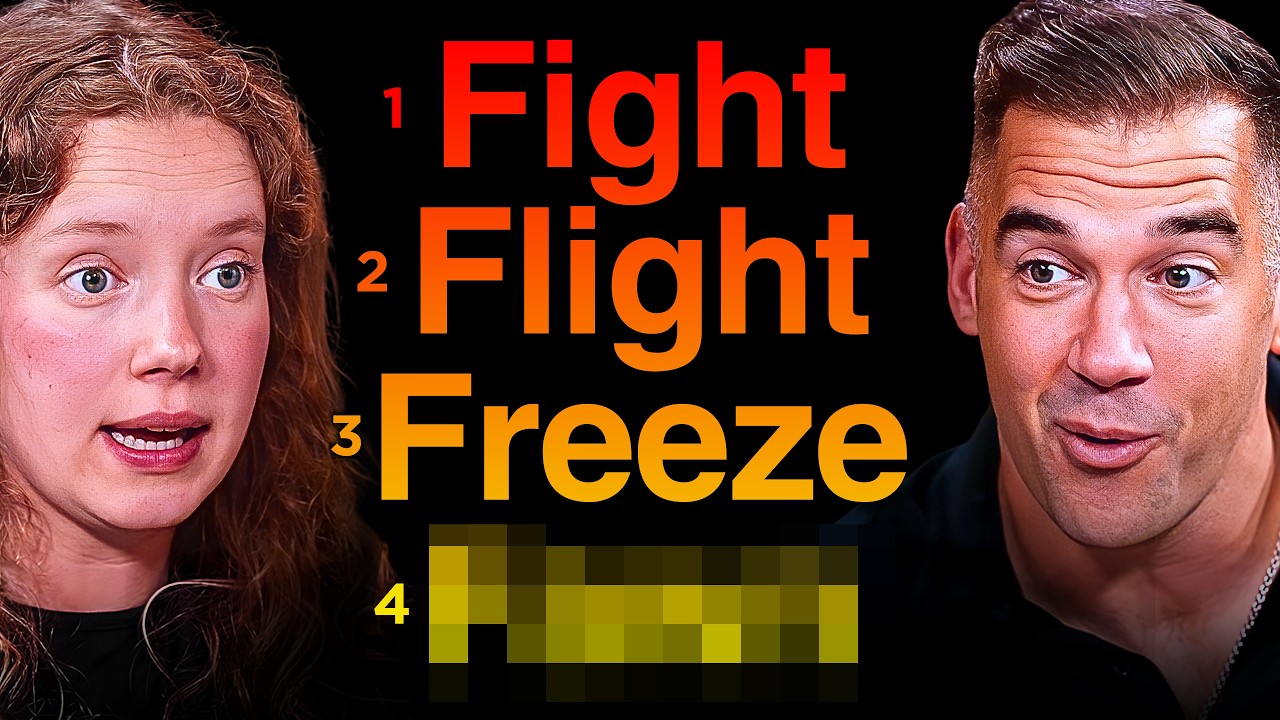
- Understanding the four primary trauma responses: fight, flight, freeze, and fawn.
- Exploring how these trauma responses influence behavior unconsciously.
- Examining the relationship between trauma responses and physical health.
- Learning how to identify your trauma responses for improved self-awareness.
- Strategies for managing trauma responses to promote healing and overall well-being.
The intricacies of trauma responses are deeply rooted in human behavior and biology. Trauma can manifest in various ways, impacting not just mental health but also physical health. Many individuals navigate life unaware of how these responses shape their actions, reactions, and relationships. Understanding the four primary trauma responses—fight, flight, freeze, and fawn—can illuminate behavioral patterns that affect daily functioning.
The fight response is an instinctive reaction to perceived danger. This response can lead to aggression or confrontational behavior. People who react this way may find themselves easily irritated or quick to anger. On a physiological level, the body prepares for action. Stress hormones like cortisol and adrenaline surge, activating the sympathetic nervous system. This state can persist, affecting metabolic processes and making it difficult for individuals to manage their physical health.
Conversely, the flight response denotes avoidance. Individuals might retreat from troubling situations or significant emotional challenges. This flight response often manifests in a tendency to withdraw or disengage. The body remains on high alert, leading to chronic stress if this behavior continues. Over time, this can disrupt normal bodily functions, including metabolism and insulin sensitivity, leading to broader health issues.
The freeze response presents another significant aspect of trauma. In situations where individuals feel overwhelmed, they may become paralyzed by fear. This response can lead to a state of dissociation, where a person feels detached from their body or surroundings. This detachment can contribute to a lack of awareness of one’s dietary habits or physical state, undermining overall health. Chronic feelings of helplessness that accompany this response can lead to further complications with metabolic health and regulation.
The fawn response is perhaps the most subtle yet impactful reaction tied to trauma. Individuals exhibiting this response often prioritize others’ needs over their own to maintain peace. While it may appear altruistic, this response can lead to neglecting personal health and well-being. The stress of people-pleasing can evoke physiological responses similar to the fight-or-flight responses, complicating metabolic processes. These behaviors can result in significant imbalances, creating difficulties with weight management and insulin regulation.
Trauma responses profoundly influence behavior, often without conscious awareness. Recognizing these patterns can enhance self-awareness and empower individuals to break free from destructive cycles. Acknowledging when you are in a fight, flight, freeze, or fawn state can facilitate better decision-making, particularly regarding health and nutrition.
The relationship between these trauma responses and physical health cannot be overlooked. Prolonged stress can lead to disruptions in metabolic functions. For instance, the fight response may push the body into a state of persistent inflammation, while the fawn response can lead to unhealthy food choices as individuals turn to comfort foods in an effort to cope. Each response carries its own set of consequences for one’s health, directly impacting metabolic processes such as insulin sensitivity.
To effectively navigate the complexities of these responses, self-identification is crucial. Techniques such as mindfulness, journaling, and therapy can help individuals recognize and understand their trauma responses better. By identifying triggers and patterns, people can start to reframe their reactions and make more conscious choices that support their mental and physical wellness. Learning to identify when a fight-or-flight response kicks in can pave the way for strategies that promote calmness and rational decision-making.
Moreover, implementing self-care practices is vital in managing trauma responses. Physical activity can provide an outlet for excess energy from fight or flight responses. Structured exercise promotes the release of endorphins, which can counteract stress and anxiety. Nutrition also plays a pivotal role; incorporating well-balanced meals can stabilize blood sugar levels, promoting better insulin sensitivity. Foods rich in omega-3 fatty acids, for instance, have been shown to support mood regulation, which can assist in managing various trauma responses.
Additionally, establishing social connections and support systems can be beneficial in mitigating the effects of trauma responses. Engaging in supportive communities can foster resilience and provide individuals with necessary resources to combat isolation from the freeze or flight responses. Open communication within these networks can increase feelings of safety, allowing for a healthier psychological environment.
It is important to realize that while these trauma responses may stem from past experiences, they do not have to govern current behavior. Conscious efforts towards self-awareness, emotional regulation, and proactive health management can break the cycle of trauma. Seeking professional assistance can facilitate this process. Therapists often employ various techniques to help individuals reprocess traumatic experiences and improve their responses to stressors.
In the context of overall health, promoting a balanced approach to diet and lifestyle can significantly enhance the capacity to manage trauma responses. Avoiding processed foods and sugars can minimize blood sugar fluctuations, supporting better insulin sensitivity. Incorporating whole foods rich in vitamins and minerals can elevate mood and energy levels, which can be invaluable in counterbalancing the effects of stress.
Integrating relaxation techniques such as deep breathing, yoga, or meditation can also be instrumental in managing trauma responses. These practices help ground individuals and permit the body to shift from a stress-response state back to a relaxed state. Regular practice can build resilience against triggers, creating a buffer that protects against the physiological impact of stress.
Moreover, understanding the interplay between trauma responses and behaviors like food choices can lead to healthier living. Awareness of how emotional eating ties into the fawn response encourages individuals to evaluate their relationship with food. Addressing underlying emotions rather than turning to food as a coping mechanism may foster a more balanced approach to nutrition.
The journey of understanding trauma responses is ongoing. Continuous learning about oneself can facilitate healing. When behavior aligns more closely with conscious awareness rather than automatic responses, greater control over actions and health outcomes is achievable. Knowledge empowers individuals to construct healthier patterns of eating and living, transforming their relationship with both trauma and wellness.
By empowering oneself with this knowledge, overcoming past trauma becomes possible. Education about trauma responses in relation to behavior opens doors to healing and insight. Individual choices regarding health and lifestyle ultimately benefit from this awareness. Understanding trauma responses can enhance emotional intelligence and promote a more fulfilling life experience.
*****
Source Description
🔔 Subscribe for more great content: https://www.youtube.com/lewishowes
▶️ Recommended for you: https://youtu.be/AU9P18gC-UY
Meg Josephson, licensed psychotherapist, certified meditation teacher, and New York Times bestselling author of Are You Mad At Me? How to Stop Focusing On What Others Think And Start Living For You, joins Lewis Howes to break down the psychology of people pleasing through the lens of the fawn response, a nervous system threat response alongside fight, flight, and freeze. Josephson explores her six people pleaser archetypes (peacekeeper, performer, perfectionist, chameleon, caretaker, lone wolf), the distinction between reassurance seeking and validation, complex trauma and generational trauma patterns, internal family systems (IFS) developed by Dick Schwartz, and the role of shame, the inner critic, and self-blame in compulsive approval-seeking.
Get Meg’s Book Are You Mad at Me? https://amzn.to/3QqzOlc
Listen to this episode on the go!
🍎 Apple Podcasts: https://podcasts.apple.com/us/podcast/the-school-of-greatness/id596047499
🟢 Spotify: https://open.spotify.com/show/07GQhOZboEZOE1ysnFLipT?si=a03d916bade54d4f
For more info about this episode, go to https://lewishowes.com/1942
💰 get my NEW YORK TIMES BESTSELLING book “Make Money Easy” today!https://lewishowes.com/moneyyou
📙 get my NEW YORK TIMES BESTSELLING book “The Greatness Mindset” today! https://lewishowes.com/gmyo
📤 sign up for my FREE newsletter https://lewishowes.com/greatnessdelivered
Follow Lewis!
Instagram: https://www.instagram.com/lewishowes/
Tiktok: https://www.tiktok.com/@lewis
Facebook: https://www.facebook.com/lewishowes/
Twitter: https://twitter.com/LewisHowes
💻 Website: http://lewishowes.com/
📲 For more Greatness text PODCAST to +1 (614) 350-3960
Get More Greatness!
Greatness Clips: https://www.youtube.com/@GreatnessClips
Spanish: https://www.youtube.com/@LewisHowesEspañol
Portuguese: https://www.youtube.com/@LewisHowesPortugues
Lewis Howes Shorts: https://www.youtube.com/@lewishowesshorts
00:00:00 Intro to People Pleasing
00:04:09 The Fawn Response Explained
00:08:40 Tolerating Emotional Discomfort
00:15:06 Releasing Fear of Perception
00:20:35 Parenting & The Power of Repair
00:25:39 6 People Pleaser Archetypes
00:32:06 Over-Apologizing & Reassurance
00:38:20 Boundaries Without Guilt
00:45:04 Healing Generational Trauma
00:51:51 Internal Family Systems (IFS)
00:53:24 Sobriety & Processing Pain
01:03:42 Meg’s Three Final Truths
T-Mobile 5G Home Internet. T-Mobile.com/HomeInternet
#greatness #inspiration #motivation