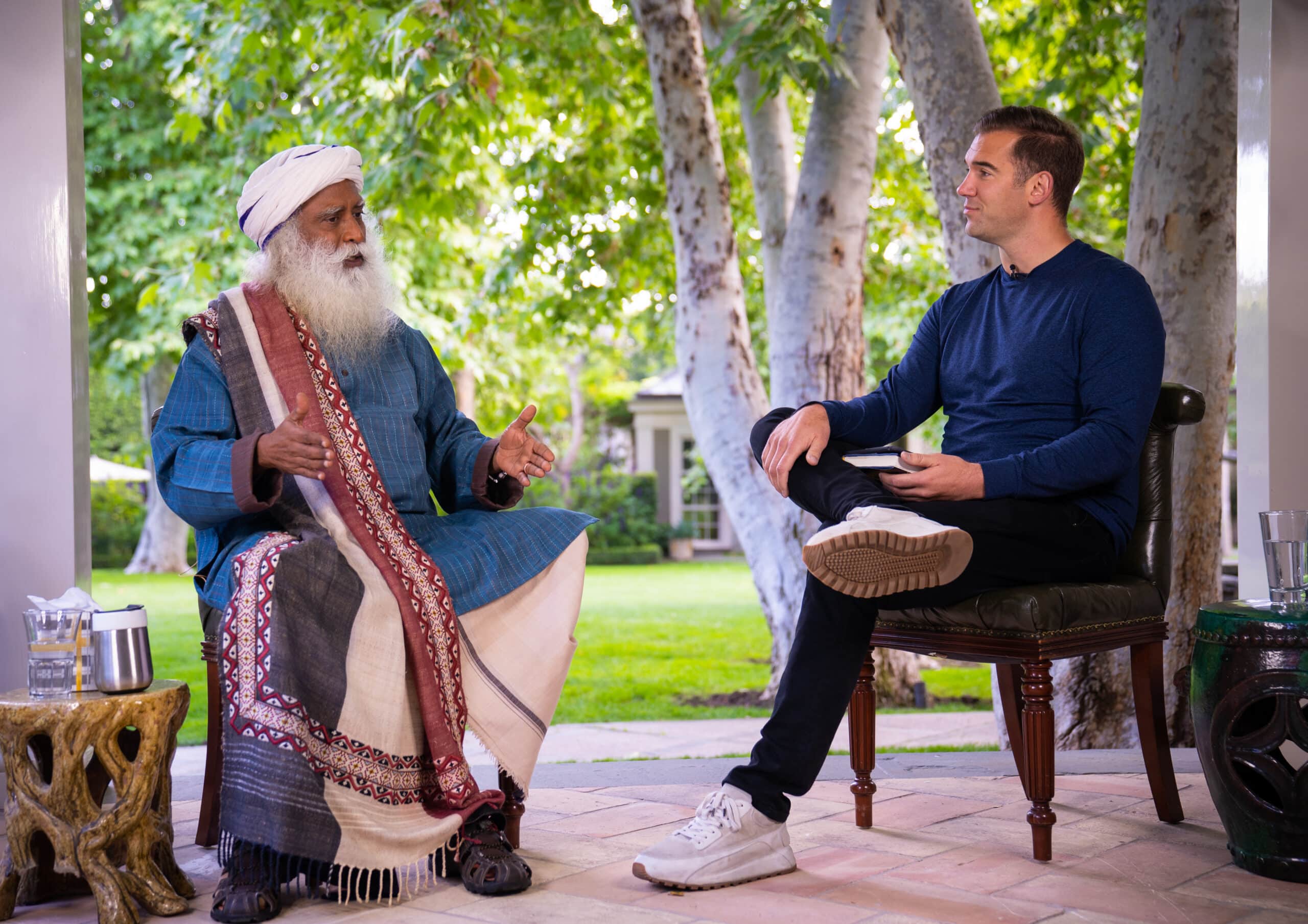
Summary of Turn Your Pain Into Power, Not Poison:
The content discusses the pivotal choice individuals face after experiencing pain: to become wise or wounded. Sadhguru, author of “Karma: A Yogi’s Guide to Crafting Your Destiny,” emphasizes that karma is not merely about rewards or punishments but about how one navigates challenges. He highlights the idea that growth can stem from adversity, explaining that intelligence can become a burden if it is not accompanied by a broader sense of self. The conversation explores themes of memory, freedom, and the distinction between seeking happiness and expressing joy. Several of Sadhguru’s works are mentioned, including “Death: An Inside Story” and “Inner Engineering.”
*****
Key Points
-
The Nature of Pain: Understand how pain can either empower or imprison us, depending on our choices.
-
The Concept of Karma: Explore karma as not just a cycle of reward and punishment but a platform for growth.
-
Turning Waste into Fertility: Learn how the same circumstances that appear negative can also lead to positive outcomes.
-
Wise vs. Wounded: Discover the transformative potential in facing adversity with wisdom rather than succumbing to it.
- Chasing Joy vs. Happiness: Distinguish between fleeting happiness and lasting joy in our pursuit of fulfillment.
Turn Your Pain Into Power, Not Poison
Life is a tapestry woven with threads of joy, sorrow, triumph, and pain. It’s an intricate composition that often teeters on the edge of chaos and beauty. We’ve all encountered moments of deep pain—events that could easily suffocate our spirit. However, within these moments lies a unique opportunity: the chance to transmute pain into power rather than let it become poison.
This transformative journey begins with a simple yet profound question: when something painful happens, what do you choose to do with that experience? Do you rise with wisdom, or do you stumble in the shadows of your wounds?
The Quiet Choice
Every painful experience presents a crossroads. One path leads towards enlightenment and resilience; the other to bitterness and despair. This choice is subtle yet monumental. Sadhguru, renowned for his insightful interpretations of concepts like karma, suggests that this very choice is at the essence of what karma is truly about. It’s not merely about reward and punishment but about the platform upon which we can build our lives.
Imagine standing on this platform—what will you make of it? It can either be a springboard for growth or a quagmire that weighs you down. If you can acknowledge and confront your pain, it becomes fertilizer for growth. Conversely, if you choose to ignore or evade it, that same pain festers and mutates into something toxic.
Waste to Fertilizer
Sadhguru often speaks to the duality of existence: the beauty that arises from the muck of despair. Just as filth can foster growth in the form of fertilizer, the painful aspects of our lives can birth resilience, wisdom, and emotional maturity. Let’s consider this more deeply.
In nature, the decomposition of organic matter creates rich soil. Similarly, in our lives, the experiences we deem as "waste"—betrayals, failures, losses—can enrich our character and viewpoint. It’s in acknowledging their lesson that we learn to build better foundations.
Have you ever noticed that some of the most inspiring stories of triumph come from deep-seated pain? Individuals such as Oprah Winfrey, who rose from a tumultuous childhood marked by hardship, embody this principle. Each setback armed her with insights that fueled her ascent to becoming a powerhouse. She turned her pain into power, becoming a beacon for countless others.
The Labels We Carry
An important aspect of facing our pain is how we define ourselves through it. Our memories can either serve as shackles or as tools for liberation. When you think back on painful experiences, do you define yourself by those events?
Ask yourself: How often do we allow past wounds to dictate our identity? This small but crucial distinction can temper your ability to live fully in the present. Your intelligence, your emotions, your insights—they’re all stolen from you the moment your identity remains confined by what has hurt you.
Here’s a thought: the individuals who often inflict hurt on others are not necessarily the "villains" they appear to be; they may pitifully mirror their own unhealed wounds. Recognizing this can become a pathway through which compassion flows, enriching our relationships and, ultimately, our world.
Making the Wise Choice
In life, the duality of wise and wounded is ever-present. One might wonder what it means to make the wise choice when faced with pain. Being "wise" does not imply that you never experience discomfort; rather, it means you learn to dance with it, integrating your pain into your narrative without getting lost in it.
Consider the following steps for transforming pain into power:
-
Acknowledge Your Emotions: The first step is to recognize and validate your feelings. Don’t sweep them under the rug. Feel them fully.
-
Reflect and Learn: Instead of ruminating on the pain, ask yourself, "What can I learn from this? How can it help me grow?"
-
Seek Gratitude: Find elements of gratitude in the experience. What strength has this situation unveiled in you? How has it changed you for the better?
-
Embrace Vulnerability: Share your journey with others. Vulnerability can foster community and connection, driving collective healing.
- Take Action: Finally, channel that newfound strength into positive actions. Whether it’s pursuing a new passion, helping others, or embracing a more fulfilling lifestyle, make sure the lessons you’ve learned ripple outwards.
Beyond Happiness: Pursuing Joy
To further aid in this journey, we must strive toward not just fleeting happiness but a more profound sense of joy. Happiness is often tied to external circumstances—achievements, possessions, even relationships. Joy, however, emanates from within.
When you learn to express joy, you free yourself from the shackles of comparison and external validation. It’s about acknowledging the present moment and finding light even amidst shadows.
Engaging in joyful experiences—whether through creative pursuits, physical wellness, or heartfelt connections—can illuminate your path. Instead of chasing happiness as an elusive destination, embrace the journey as an expression of joy.
You might find that when you center your focus on how you can cultivate joy from within, the external circumstances that once dictated your happiness begin to shift.
Moving Forward
As you navigate life’s challenges, remember that the essence of turning pain into power lies within your choice—your quiet decision at that crossroads. Embrace the wisdom of your experiences and weave it into the fabric of your being.
Convince yourself that pain is not your antagonist but rather your unexpected ally—teaching you, shaping you, and propelling you toward a richer existence. By transforming pain into power, you open the door not only to your healing but to the healing of those around you.
As we expand this discussion on memory, freedom, and emotional resilience, consider this to be the crux of human experience. Every moment holds the potential for renewal and transformation. So step boldly onto that platform life offers you, and choose to dance. The world is waiting to see how beautifully you will move.
In the end, life is not merely about surviving but thriving. Are you ready to turn your pain into power? The choice is yours. Make it one of wisdom, and watch as it shapes the life you always dreamed of and beyond.