Summary of Tiny Clots Could Be the Missing Piece in Alzheimer’s Puzzle:
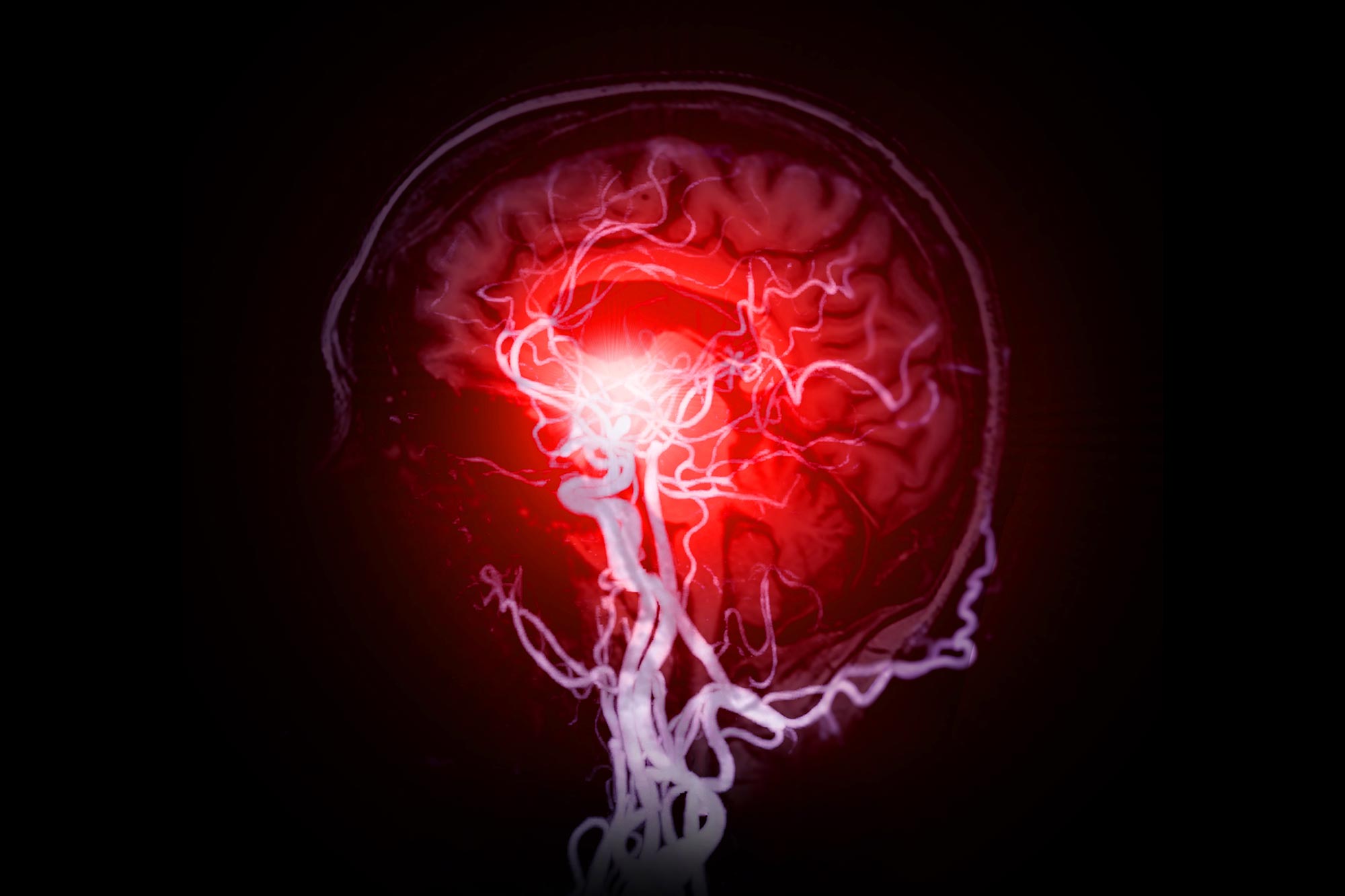
Research has revealed a significant interaction between amyloid beta (Aβ), a brain protein, and fibrinogen, a blood protein involved in clotting. This combination leads to the formation of harmful clots that can trigger early symptoms of Alzheimer’s disease, such as inflammation and synapse loss. These findings emphasize the role of vascular health in the progression of Alzheimer’s and suggest that targeting the Aβ/fibrinogen complex could lead to new treatment strategies.
The study, conducted by the Patricia and John Rosenwald Laboratory at Rockefeller University, demonstrated that low concentrations of this complex induced more damage than either protein alone. Experiments showed that it disrupts the blood-brain barrier, allowing harmful blood components to enter the brain.
The researchers advocate for closer examination of this pathway, noting that while it may not cure Alzheimer’s, targeting it could mitigate some of the disease’s impacts. The findings also hint that early intervention could prevent or slow the onset of cognitive symptoms.
*****
Key Points
- Recent research reveals that a harmful interaction between amyloid beta (Aβ) and fibrinogen might trigger early stages of Alzheimer’s disease.
- The combined Aβ/fibrinogen complex forms persistent clots that contribute to neuroinflammation and damage the blood-brain barrier.
- Testing in both brain tissue and live mice demonstrates that minimal amounts of the complex can induce Alzheimer’s-related changes before cognitive symptoms arise.
- This study opens avenues for targeting this molecular interaction as a potential treatment and offers insights into early diagnosis and prevention.
- The findings suggest that while the Aβ/fibrinogen pathway is crucial, Alzheimer’s is a multifaceted disease requiring a comprehensive understanding of various contributing factors.
Tiny Clots Could Be the Missing Piece in Alzheimer’s Puzzle
Alzheimer’s disease remains a labyrinthine mystery in the landscape of neurodegenerative disorders, capturing the attention of scientists and families alike. Despite incessant research and decades of study, fully understanding the underlying mechanisms of this complex disease has proven elusive. But what if the clue lies not only in the brain but in a seemingly unremarkable interaction between a brain protein and a blood protein? Recent research suggests that tiny clots formed between amyloid beta and fibrinogen may be the missing pieces in Alzheimer’s puzzle.
Abnormal Interactions: The Unlikely Villains
Researchers have long recognized that Alzheimer’s is marked by abnormal plaques and tangled proteins within the brain. However, a paradigm shift has emerged, drawing attention to the vascular system’s role in disease progression. It’s tempting to think of Alzheimer’s merely as a problem of failing neurons, but what if the real adversaries are these insidious protein interactions?
The recent discovery points to a potentially lethal synergy between amyloid beta (Aβ) and fibrinogen, a blood protein that plays a crucial role in clotting. This novel combination forms unexpected clots that are notoriously difficult for the body to clear away. Intriguingly, these clots are not just bystanders in the Alzheimer’s narrative; they are central characters that spark inflammatory responses and contribute to blood vessel dysfunction in the brain. When Aβ and fibrinogen join forces, their combined effects seem to open the floodgates to neuroinflammation and injury—a precursor to the cognitive decline we associate with Alzheimer’s.
The Specifics: Damage From a Simple Complex
A key finding from the research is that it takes considerably larger amounts of either Aβ or fibrinogen alone to inflict serious damage upon the delicate structures of the Alzheimer’s brain. However, when they coalesce into a complex, even minuscule amounts can wreak havoc. Picture it this way: two minor irritants might not seem serious alone, but when they team up, they can create a storm of destruction. “There’s a synergistic effect,” says Erin Norris, a research associate professor involved in the project. This notion alone adds a new layer to our understanding of how Alzheimer’s could develop.
Individually, Aβ and fibrinogen might trigger minor disturbances in the brain. Yet once they bind together, they initiate a cascade of detrimental events. This means that targeting this peculiar complex could be a strategy worth exploring in the quest for Alzheimer’s treatments.
Unpacking the Research: A Blend of Laboratory and Real-World Study
For researchers at the Patricia and John Rosenwald Laboratory of Neurobiology and Genetics at Rockefeller University, studying the Aβ/fibrinogen interaction has been an extended journey. Their investigations, covering nearly two decades, suggest that this molecular duet could be more impactful than previously theorized. As the team launched into deeper investigation, they focused on not just identifying the interaction but also the damage it could inflict.
To put their theories to the test, the team introduced the Aβ/fibrinogen complex to slices of mouse brain tissue and live mice. By observing the effects in controlled environments as well as in living organisms, they sought to confirm their suspicions. This dual approach adds a weight of credibility to their findings. The results? Striking and sobering.
With low concentrations of the combined complex, researchers noted alarming disruptions: synaptic damage, inflammation, and the breakdown of the blood-brain barrier. In essence, the system that protects the brain falters, creating a pathway for blood proteins to intrude and wreak further havoc. Autopsy-style investigations illustrated how the interaction triggered alarms for Alzheimer’s, suggesting that early neural ramifications could be recognized long before cognitive impairments emerge.
Light at the End of the Tunnel: New Therapeutic Directions
While the findings paint a worrisome picture, they also shine a flicker of hope. The study implies that there might be a window of opportunity for early diagnosis and intervention. Interestingly, mice exposed to the Aβ/fibrinogen complex showed increased levels of phospho-tau181—a biomarker indicative of Alzheimer’s in humans—well before any symptoms became evident. If this research is anything to go by, we might be arriving at a significant crossroads in how we understand and combat the disease.
But let’s temper our optimism with realism. The research underscores that Alzheimer’s is not simply attributable to one or two factors; it’s the product of a complex interplay of biological processes. The intricate web of neurotoxic factors means that targeting the Aβ/fibrinogen complex alone may not suffice for a cure. However, researchers believe this complex could alleviate some of the pathologies when used in conjunction with other treatments.
Back to the Future: Evolving the Conversation About Alzheimer’s
When examining the implications of this research, it’s enlightening to shift our perspective on Alzheimer’s from a singular view of neuron death to a more comprehensive understanding that includes vascular health. This invites a dialogue about prevention strategies: Could maintaining vascular integrity act as a bulwark against Alzheimer’s progression?
Considering the ramifications of this knowledge is profound, not just for research scientists but for families and communities struggling with the impacts of Alzheimer’s. The prospect of early diagnostics and potentially targetable pathways for treatment offers a new canvas upon which we can paint a more hopeful narrative about living with Alzheimer’s.
The Road Ahead
As researchers continue to investigate the mechanisms behind Aβ and fibrinogen’s harmful synergy, the recovery of brain function in Alzheimer’s may not be a distant fantasy. Increased knowledge in this realm compels us to discard simplistic notions of the illness as merely an inevitable slide into decline. Instead, we are invited to consider innovative approaches to prevention and management, potentially redefining our collective experience with this disease.
The scientific journey is inherently unpredictable, but with findings like those surrounding the Aβ/fibrinogen complex, there is reason for cautious optimism. It’s a reminder that within apparent complexity lies the potential for simple insights and breathtaking revelations.
In the world of Alzheimer’s research, as in life, patience and resilience go hand in hand with hope. And while progress may come slowly, each discovery—each tiny clots we unearth—could illuminate a clearer path forward. So whether you’re a researcher, caregiver, or simply an individual seeking to understand Alzheimer’s, embrace this evolving narrative; your curiosity could very well be a key part of unraveling one of the greatest mysteries of our age.
Ultimately, knowledge is not just power; it is empowerment. With the potential for new avenues in treatment, each tiny breakthrough holds profound possibilities for the future. A future where Alzheimer’s may not define lives but rather foster resilience, understanding, and ultimately triumph over a disease that has long seemed insurmountable.