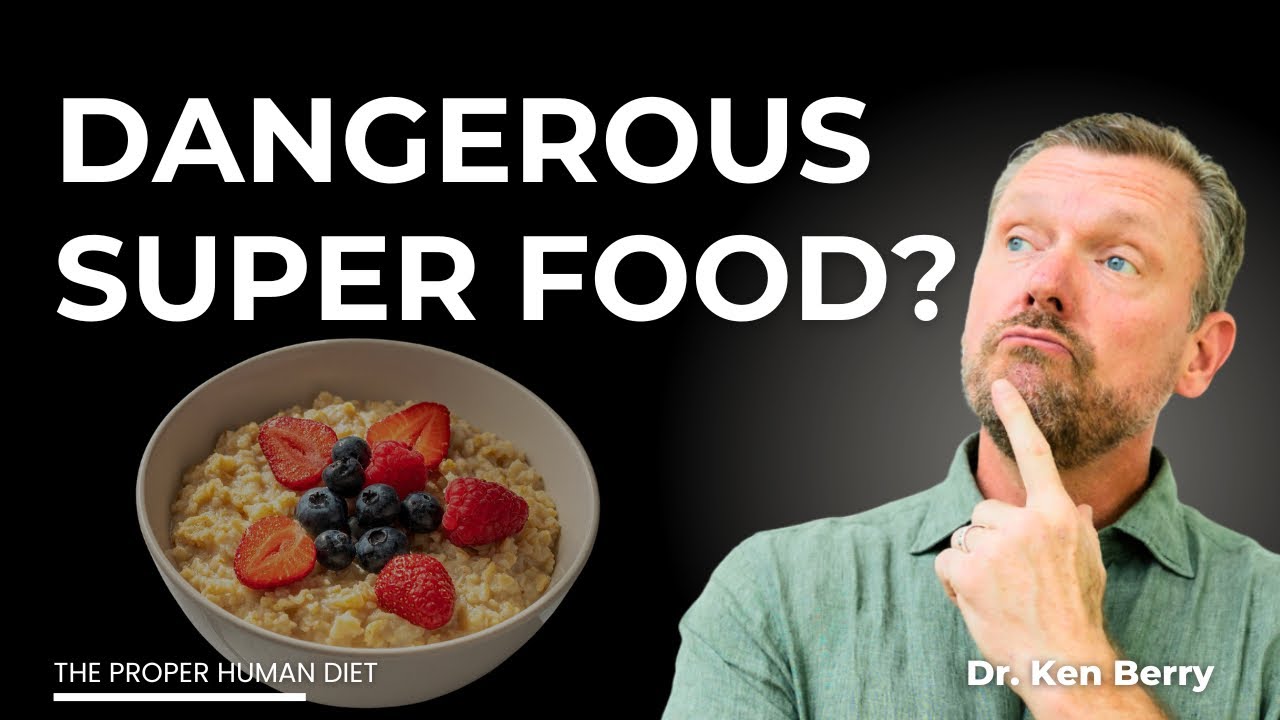
- Oatmeal is a superfood with no downsides.
- All oatmeal varieties offer the same health benefits.
- Oatmeal leads to weight gain due to its carbohydrate content.
Oatmeal is often heralded as a nutritional powerhouse, praised for its numerous health benefits. However, misconceptions abound that can mislead individuals seeking to improve their diets. This article explores three common lies about oatmeal, dispelling myths and offering a clearer understanding of its place in a balanced diet.
One of the most persistent myths is that oatmeal is a superfood without any downsides. While oatmeal does offer remarkable health benefits such as lowering cholesterol levels and providing a rich source of fiber, it’s crucial to recognize that it may not be suitable for everyone. Individuals who are sensitive to gluten or those with certain digestive issues could experience discomfort after consumption. Moreover, not all oatmeal products are created equal. Instant oatmeal and flavored varieties often contain added sugars and preservatives that can negate the benefits associated with whole rolled or steel-cut oats. Thus, it’s essential to consider how oatmeal fits into one’s overall dietary needs rather than simply labeling it as an unequivocal health food.
The second misconception suggests that all types of oatmeal deliver the same health benefits. The reality is that there are various kinds of oatmeal, and their nutritional profiles differ significantly. Steel-cut oats, for instance, take longer to digest compared to instant oats. This distinction is critical for those monitoring their blood sugar levels, as slower-digesting oats promote sustained energy and better satiety. Instant oatmeal, on the other hand, is often stripped of important nutrients due to processing. Additionally, flavored instant options usually include sugars and artificial ingredients, which can lead to spikes in blood glucose levels. It is wise to choose oats that are minimally processed to maximize their health benefits.
The third lie revolves around the idea that oatmeal contributes to weight gain due to its carbohydrate content. This notion stems from a misunderstanding of how carbohydrates function within the body. Oatmeal contains complex carbohydrates, which are essential for providing energy. When consumed in moderation and as part of a balanced meal, oatmeal can be a beneficial component of a weight loss strategy. Its high fiber content aids in promoting feelings of fullness, potentially reducing overall caloric intake. Additionally, oatmeal can slow the absorption of sugar into the bloodstream, thereby stabilizing insulin levels—a critical aspect of weight management. Relying on oatmeal as a staple in a healthy diet can actually support, rather than hinder, weight loss efforts.
Exploring the nutritional landscape of oatmeal requires an examination of the specific types available, along with their respective benefits and potential drawbacks. Steel-cut oats, often regarded as the least processed option, retain more nutrients and fiber compared to rolled or instant oats. Their dense texture can promote greater satiety, making them an excellent choice for breakfast or as a base for various meals. This type of oatmeal has been associated with improved digestion and enhanced metabolic health.
Rolled oats, another popular choice, are steamed and then rolled flat, which shortens cooking time while still preserving many nutrients. These oats offer a good balance, providing significant fiber and protein levels without excessive processing. However, they can lead to quicker sugar spikes compared to steel-cut oats if not consumed thoughtfully, especially when paired with sweeteners.
Instant oatmeal often lures consumers with its convenience but usually lacks the same nutritional integrity. The quick preparation time comes at a cost—typically, a reduction in fiber and loss of natural nutrients. Many instant oatmeal varieties contain additional sugars and flavorings that can dramatically alter their health profiles. It’s recommended that label readers identify more wholesome options when opting for instant oats to stay true to the health benefits they desire.
When integrating oatmeal into your diet, understanding portion sizes and overall dietary context is crucial. Oatmeal is best enjoyed as part of a balanced meal. Pairing it with protein, such as nuts or yogurt, can further stabilize blood sugar levels. Additionally, incorporating fruits can enhance flavor and nutrient content without significantly increasing caloric intake. The combination promotes a fuller feeling and improves meal satisfaction.
For those concerned about gluten sensitivity, choosing oats specifically labeled as gluten-free is essential. Cross-contamination during processing can lead to inadvertent ingestion of gluten, causing adverse reactions. Gluten-free oats are subject to strict manufacturing processes to avoid cross-contamination, making them a safer choice for individuals with sensitivities.
The health benefits of oatmeal extend beyond its macronutrient profile. Oats are rich in antioxidants, especially avenanthramides, which have anti-inflammatory properties. These compounds help protect against various chronic diseases, including heart disease. The soluble fiber found in oatmeal also aids in lowering LDL cholesterol levels, contributing to heart health over time. This cholesterol-lowering effect can be particularly beneficial for individuals with a family history of heart disease.
While the fiber content in oatmeal is generally seen as a positive attribute, it is essential not to overlook the potential for digestive discomfort in some individuals. For those who are not accustomed to high fiber intake, a sudden increase from oatmeal can result in bloating and gas. It’s advisable for these individuals to gradually introduce oatmeal into their diet to allow their digestive systems to adapt.
Another point worth discussing is the glycemic index of oatmeal, which varies between different types. Steel-cut oats have a lower glycemic index compared to instant oats, making them a preferable option for individuals managing blood sugar levels. By selecting minimally processed oats, individuals can enjoy sustained energy levels and improved insulin sensitivity. The way oatmeal is prepared, along with the ingredients used, further influences its overall glycemic response.
Moreover, oats are inherently versatile, inviting a wide array of flavor combinations. From savory to sweet, they can be transformed by the addition of spices like cinnamon or nutmeg, fruits such as bananas or berries, and toppings including nuts or seeds. This adaptability not only makes oatmeal a delight to consume but also allows it to cater to various dietary preferences.
As with any food, moderation is vital. Some may fall into the trap of consuming excessive quantities of oatmeal, especially under the impression that it is entirely healthy. While oatmeal can be part of a beneficial diet, it should be consumed within the context of an overall balanced intake. Paying attention to portion sizes can help mitigate the risks of excessive caloric consumption.
In summary, oatmeal is a nutritious food with many advantages, but it is essential to recognize the nuances surrounding its consumption. By understanding the different types of oatmeal, their unique health benefits, and appropriate serving sizes, individuals can make informed dietary choices. Discarding the myths surrounding oatmeal fosters a more realistic view of this food, empowering readers to harness its full potential as part of a healthy lifestyle. Knowledge gained here is not just about enjoying oatmeal but about making empowered choices that contribute positively to overall health and well-being.
*****
Source Description
We see ads for “Heart-Healthy” Oats all the time. But are oats good for you? What would happen if you eat oatmeal every day? Do oats protect you from heart attack? Do oats cause weight gain? Do oats cause inflammation in your body? (see research below)
There is so much wrong thinking about the health truth behind oats and oatmeal that I hope this video will help you understand. Don’t blindly believe anyone, including me, do your own research and self-experimentation so you can find out the truth!
Research:
Celiac Disease & Oats: https://pubmed.ncbi.nlm.nih.gov/21294744/
Celiac Disease & Oats: https://www.ncbi.nlm.nih.gov/pmc/articles/PMC3524229/
Oats are Inflammatory: https://pubmed.ncbi.nlm.nih.gov/24240659/
Avenin in Oats: https://pubchem.ncbi.nlm.nih.gov/compound/Avenin
—– Join me and let’s optimize your health! ——–
Join the PHD Community for the next step ▶ https://phdhealth.community
LIES MY DOCTOR TOLD ME book: https://amzn.to/2L8ImIp
COMMON SENSE LABS book: https://amzn.to/3QKX6Cg
💪Help me fight chronic Disease ▶ https://phdhealth.community
Eat REAL SALT: http://bit.ly/RealSalts
Electrolyte Drops: https://bit.ly/ElectrolyteDropsKC
Eat REAL Meat: https://bit.ly/USmeatDiscount
🍶 All KETO/Low-Carb things we LOVE⏩ https://www.amazon.com/shop/neishalovesit
FACEBOOK: https://www.facebook.com/kendberry.md/
INSTAGRAM: https://www.instagram.com/kendberry.md/
TWITTER: https://twitter.com/KenDBerryMD
Ken D Berry, MD, is a Family Physician with 20 years of clinical practice.
For Collaboration/Speaking requests, please email me : support@drberry.com
Any information on diseases and treatments available at this channel is intended for general guidance only and must never be considered a substitute for advice provided by a doctor or other qualified healthcare professional. Always seek the advice of your physician or other qualified health care professional with questions you may have regarding your medical condition.
For Collaboration/Speaking requests, please email me : support@drberry.com
As an Amazon Associate I earn from qualifying purchases.
