- This forgotten nutrient and its role in brain health after 30
- The impacts of brain fog and its connections to metabolic health
- Biochemical mechanisms behind this nutrient’s functions
- Dietary sources and the effect of modern diets on nutrient levels
- Practical tips for incorporating this nutrient into daily life
The nutritional landscape has significantly evolved over the decades, and among the essentials for maintaining cognitive function, one nutrient has often been overlooked: choline. Before the age of 30, many people may not notice its importance, but as individuals reach this milestone, brain fog and other cognitive declines can begin to manifest. Understanding choline’s role is crucial for enhancing mental clarity and overall brain health, particularly after the age of 30.
Choline is an essential nutrient that plays a vital role in neurotransmitter synthesis, cell membrane structure, and lipid transport. Its connection to brain health cannot be overstated. Neurotransmitters, such as acetylcholine, are crucial for memory and learning, and choline is a precursor for this important chemical. When choline levels are insufficient, individuals may experience deficits in cognition, memory, and overall mental acuity. A growing body of research connects low choline intakes with increased risks of cognitive decline, especially in middle age and beyond.
Brain fog is a term commonly used to describe feelings of mental cloudiness, such as forgetfulness, lack of focus, and difficulty in processing information. This phenomenon can be attributed to numerous factors, including fatigue, stress, and imbalances in diet. However, metabolic health plays a significant role in cognitive performance. Poor insulin sensitivity, prevalent in individuals who consume high-sugar diets or are overly reliant on processed foods, can exacerbate brain fog. This creates a cycle; poor metabolic health contributes to cognitive dysfunction, while brain fog can also disrupt daily routines and exacerbate stress, leading to further metabolic deterioration.
The biochemical mechanisms behind choline’s impacts on brain health are quite sophisticated. Choline aids in the formation of phosphatidylcholine, a major component of cell membranes. This is important for maintaining cellular integrity and function, particularly in brain tissues. Moreover, the synthesis of acetylcholine from choline plays a direct role in cognitive processes. A deficiency in choline may reduce acetylcholine levels, compromising memory and learning abilities.
If dietary intake doesn’t meet the body’s needs, the consequences can be notable. Most individuals are not consuming adequate amounts of choline. The recommended adequate intake (AI) levels vary by age and gender; for example, adult men generally require about 550 mg per day, while adult women need approximately 425 mg. Unfortunately, many people fall short of these recommendations, largely due to the decreasing emphasis on traditional foods rich in choline, such as eggs, liver, and certain fish.
Modern dietary patterns tend to favor convenience and palatability over nutritional value. Fast foods and processed options typically lack choline, depriving the body of this essential nutrient. As a result, cities with a high prevalence of fast food and limited access to fresh produce often report higher instances of cognitive decline and related disorders among their populations. Therefore, improving dietary habits to include rich sources of choline is essential not only for cognitive well-being but also for enhancing metabolic health and resilience against brain fog.
Incorporating choline into daily life can be both simple and delicious. Egg yolks are one of the richest natural sources of choline, boasting about 300 mg per large egg. Other excellent sources include beef liver, chicken, soy products, quinoa, and certain fish like cod. Including a variety of these foods can significantly help in meeting daily choline needs.
Besides whole foods, mindfulness about how cooking methods may influence nutrient availability is crucial. For instance, overcooking eggs can reduce their choline content. Lightly poaching, scrambling, or boiling eggs may retain more nutrients.
Pursuing fortified foods can also assist in achieving adequate choline status. Some manufacturers have recognized the importance of this nutrient and included it in various products. Plant-based options, like tofu or soy milk, often have added choline, making them suitable for those embracing vegetarian or vegan diets.
Moreover, consider the synergy between choline and other nutrients. For instance, Omega-3 fatty acids, often found in fatty fish or flaxseed, work hand-in-hand with choline to support cognitive health. Both nutrients together can enhance structural integrity in the brain, promoting better memory and mood stability.
Further, lifestyle changes can augment choline’s cognitive effects. Regular exercise improves insulin sensitivity, which can directly influence cognitive function and decrease brain fog. Physical activity promotes brain-derived neurotrophic factor (BDNF), a protein that supports neuronal health and plasticity. In conjunction with choline-rich foods, exercise can therefore establish a foundation for long-term cognitive well-being.
Ultimately, the first step towards combating brain fog after 30 lies in recognizing the overlooked importance of choline. This essential nutrient emerges as a key player in cognitive health, metabolic balance, and enhancing clarity of thought. Through focused dietary changes, increased awareness of choline levels, and a commitment to healthier habits, individuals can break free from the fog that often accompanies aging and reclaim their mental sharpness.
Choline is not just another nutrient; its multi-faceted roles within the body spotlight its importance. From being a precursor to a critical neurotransmitter to participating in cellular structures, its implications extend broadly to overall health. As cognitive decline maintains a steady ascent in modern society, prioritizing nutrients like choline is vital to fostering a mentally sharp population.
Educating oneself about dietary habits, mindful of choline, is essential. As individuals embark on the journey past 30, recognizing this forgotten nutrient is not merely an option, but a necessity for embracing a future of optimal brain health. The path to enhanced mental clarity and resilience to stressors can hinge on simple, yet deliberate dietary choices. With cystine-rich regions of influence and strategic food selections, achieving adequate choline intake need not become a complex endeavor; it can unfold naturally as part of a balanced lifestyle.
In pursuit of healthful ways to leverage choline for cognitive enhancement, it becomes imperative to review personal eating habits critically. Identifying nutrient-poor foods while emphasizing choline-rich choices aids in forming lasting changes. Educating family and peers on the cognitive benefits associated with this nutrient can further foster a community of health-conscious individuals.
For those experiencing ongoing brain fog and cognitive cramping, consider a comprehensive dietary strategy that embraces complex carbohydrates, healthy fats, and protein sources rich in choline. This may alleviate many common issues faced after the age of 30. Ultimately, initiatives that integrate awareness of choline levels with daily meals will uplift cognitive health and invigorate brain performance.
*****
Source Description
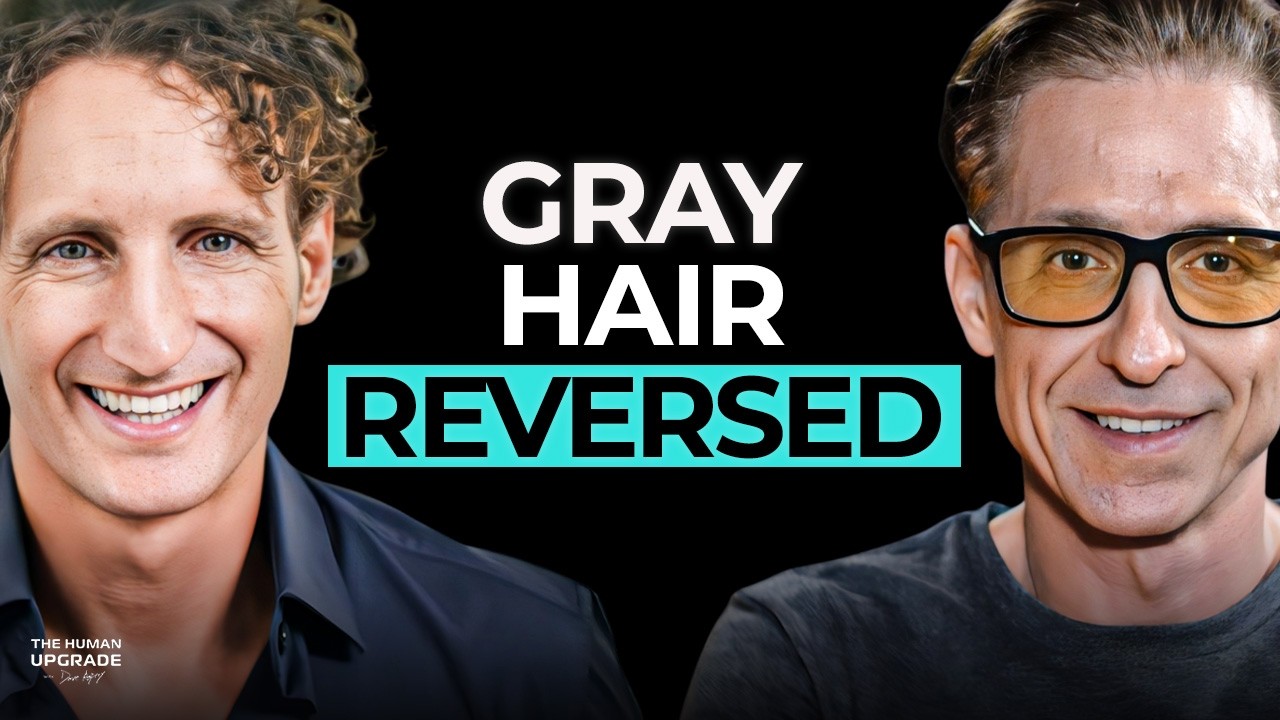
Your gray hair, thinning lashes, brain fog, and that low energy feeling after 30 might all trace back to one thing: falling NAD and stressed mitochondria. This episode breaks down what actually happens inside your cells as NAD declines, and what you can do about it using specific compounds from mushrooms, olive oil, and even chocolate.
-Wonderfeel is gifting a 7-day Youngr™ supply (mini pouch) with every Youngr™ order. The code is DAVE, and the campaign will be active throughout the month: https://getwonderfeel.com/dave/?utm_source=Dave&utm_medium=podcast&utm_campaign=episode2
Host Dave Asprey sits down with Baran Dilaver, CEO and co-founder of Wonderfeel Biosciences, to unpack the real science behind NAD, mitochondrial energy, and long-term longevity. Baran is an entrepreneur and inventor who previously led multiple start-ups as CEO and COO, collaborated with leading scientists and medical experts, and developed award-winning products. A UC Berkeley economics graduate and former scholarship athlete, he now focuses on translating cutting-edge bioscience into practical tools that enhance people’s lives.
They break down how NAD powers mitochondria, why your body strategically allocates cellular energy away from peak cognitive performance as you age, and how stress accelerates that decline. You’ll hear the differences between niacinamide, NR, and NMN, the FDA confusion around NMN, and why raising NAD is about cellular repair, resilience, and metabolic function, not just “more energy.”
The conversation goes deep on hydroxytyrosol, the powerful olive oil polyphenol that acts as a CD38 inhibitor, and ergothioneine, a mushroom-derived antioxidant with its own receptor in the human body that can accumulate in damaged tissues. Baran shares the origin story that pushed him to research ergothioneine, along with anecdotal observations from long-term users reporting improvements in sleep, focus, energy, thicker hair, reduced gray hair, and even eyelash regrowth.
You’ll also hear Dave’s practical take on ketosis, fasting, supplements, and metabolism, why he prefers NAD precursors over IV NAD for most people, how methyl donors affect NAD IV tolerance, and why Wonderfeel built a creatine chocolate bar sweetened with allulose to stay keto-friendly and diabetic-friendly.
You’ll Learn:
• What NAD does in the body and why oral NAD itself is not effective
• How niacinamide, NR, and NMN compare as NAD precursors
• Why mitochondria control energy allocation, cognition, and resilience
• How hydroxytyrosol may support NAD longevity through CD38 inhibition
• What ergothioneine is, why it comes from mushrooms, and why the body has a receptor for it
• What long-term users commonly report: better sleep, clearer thinking, stronger energy, and cosmetic shifts
• Why Dave prefers supplements over NAD IVs in most cases
• How allulose differs from other sweeteners and why it matters for metabolism
• Why creatine supports brain energy and how heat changes absorption strategy
Resources:
• Wonderfeel is gifting a 7-day Youngr™ supply (mini pouch) with every Youngr™ order. The code is DAVE, and the campaign will be active throughout the month: https://getwonderfeel.com/dave/?utm_source=Dave&utm_medium=podcast&utm_campaign=episode2
• Dave Asprey’s Latest News | Go to https://daveasprey.com/ to join Inside Track today.
Timestamps:
00:00 – Introduction
01:13 – What Is Wonderfeel
05:31 – NAD and NMN Explained
09:41 – FDA Status of NMN
13:50 – Supplements vs Pharmaceuticals
16:48 – How NAD Powers Mitochondria
25:46 – NAD Benefits and Effects
30:57 – Hydroxytyrosol
35:03 – Ergothioneine
41:55 – Alzheimer’s and Brain Health
44:10 – Vitamin D and K2
46:15 – Sustainable Packaging
49:26 – Creatine Bars
51:43 – Allulose Deep Dive
59:28 – Inflammation Research
01:02:15 – Supplement Regulation
Thank you to our sponsors!
• Timeline | Go to timeline.com/Dave for 20% off
• MASA Chips | Go to https://www.masachips.com/DAVEASPREY and use code DAVEASPREY for 25% off your first order
• Branch Basics | Get 15% off at https://branchbasics.com/DAVE15 with code DAVE15
• ARMRA | Visit https://tryarmra.com/ and use code DAVE for 15% off your first order
• OneSkin | Try OneSkin at https://www.oneskin.co/DAVE and use code DAVE for 15% off
Website: https://daveasprey.com
TikTok: https://www.tiktok.com/@daveaspreyofficial
Instagram: https://www.instagram.com/dave.asprey/
Facebook: https://www.facebook.com/Daveaspreyofficial/
Danger Coffee: https://dangercoffee.com/DAVE15
Dave Asprey’s BEYOND Conference: https://beyondconference.com/
Dave Asprey’s New Book – Heavily Meditated: https://daveasprey.com/heavily-meditated/
Dave’s favorite supplements: https://www.shopsuppgradelabs.com/discount/DAVE15
Join my Substack: https://substack.daveasprey.com
Upgrade Labs: https://upgradelabs.com
40 Years of Zen: https://40yearsofzen.com