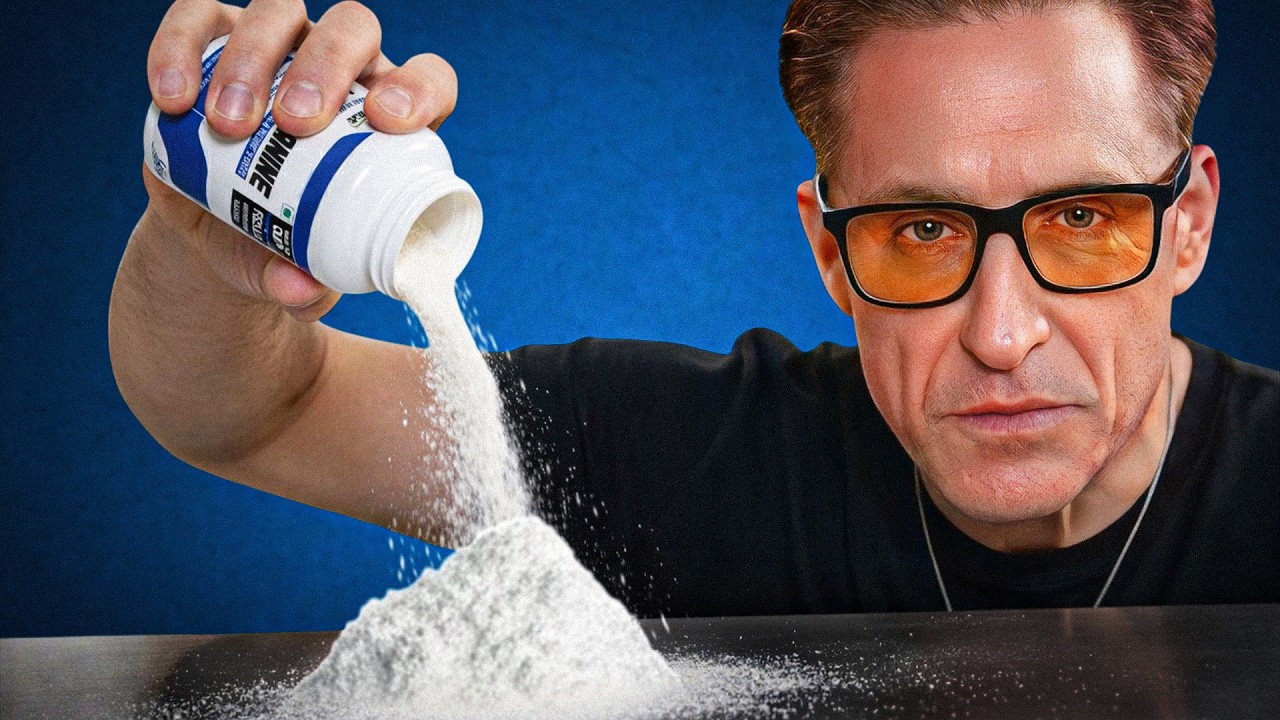
- The mechanism of action of sleep powders compared to melatonin
- Ingredients that increase sleep quality and duration
- The impact of sleep on metabolic health and insulin sensitivity
- Safety and regulations concerning sleep supplements
- Key considerations for selecting a sleep aid
Sleep is a fundamental aspect of human health, influencing numerous physiological and psychological functions. Among the numerous aids available for sleep enhancement, legal sleep powders have gained attention for their efficacy. Many people have turned to melatonin supplements, but research indicates that various sleep powders may offer superior benefits. This article explores the mechanisms of action of these powders, their ingredients, effects on metabolic health, safety, and key considerations in choosing a sleep aid.
The mechanism of action of sleep powders often varies from that of melatonin. Melatonin primarily functions by signaling to the body when it is time to sleep. It is a hormone naturally produced by the pineal gland, responding to darkness. As the sun sets, melatonin levels increase, helping to regulate circadian rhythms.
In contrast, many contemporary sleep powders contain a combination of ingredients that interact differently with the body. They often highlight natural herbs, amino acids, and other compounds. For example, valerian root is known for its calming effects, while L-theanine, an amino acid found in green tea, promotes relaxation without sedation. These ingredients can work synergistically to improve sleep quality and duration.
Additionally, certain sleep powders incorporate magnesium, an essential mineral involved in numerous metabolic processes. Magnesium plays a role in regulating neurotransmitters that send signals throughout the nervous system. A deficiency in magnesium may lead to sleep disorders, making its inclusion in sleep aids beneficial. By supporting muscle relaxation, magnesium helps prepare the body for restful sleep.
Another notable ingredient is GABA (gamma-aminobutyric acid), a neurotransmitter known for its role in promoting relaxation. GABA supplements are thought to enhance sleep quality by reducing neural excitability. This can lead to a more calming environment for the brain, facilitating a smooth transition into deep sleep. Consequently, sleep powders that contain GABA may outperform melatonin in promoting a balanced sleep experience.
Moving beyond the immediate effects of sleep aids, there is an important connection between sleep and metabolic health. Inadequate sleep can lead to insulin resistance, a condition in which cells become less responsive to insulin. This diminished sensitivity can result in higher blood sugar levels, increasing the risk of type 2 diabetes. Research indicates that chronic sleep deprivation can disrupt hormones responsible for regulating hunger, potentially leading to overeating and weight gain.
Sleep deprivation has been shown to affect cortisol levels, a stress hormone that plays a role in glucose metabolism. Elevated cortisol due to lack of sleep can lead to increased appetite and cravings for high-calorie foods. This creates a cycle where poor sleep contributes to metabolic disorders, which can lead to sleep issues. Thus, improving sleep with sleep powders can enhance insulin sensitivity and metabolic health.
In selecting a sleep aide, several factors must be considered to ensure safety and effectiveness. It’s essential to verify the source of the ingredients, ensuring they are derived from reputable manufacturers. Regulations surrounding the production of supplements can vary significantly. In some regions, the Food and Drug Administration (FDA) does not evaluate dietary supplements for safety or efficacy before they hit the market. This makes it crucial for consumers to do their research and choose brands that adhere to good manufacturing practices.
Additionally, individuals should be aware of possible interactions with medications. For example, people taking sedatives, antidepressants, or other prescriptions may experience compounded effects. Consulting a healthcare provider before beginning any new supplement—especially for individuals with pre-existing conditions—is advisable.
Dosage is another vital consideration. Excessive doses of sleep powders might lead to adverse effects, underscoring the need for adherence to recommended serving sizes. While some ingredients are well tolerated, others may cause drowsiness or gastrointestinal discomfort in higher amounts. Starting with a smaller dose can be a wise approach.
Furthermore, assessing a sleep powder’s ingredients can give insights into its potency. Products containing a multi-ingredient blend may offer additional benefits, but the efficacy of each element must be evaluated. Research should be the basis of this evaluation, with evidence indicating credible effects on sleep quality and metabolic health.
In the world of nutrition and wellness, timing and lifestyle choices also play significant roles. Factors such as screen exposure before bed, caffeine consumption, and meal timing can hinder the efficacy of sleep powders. Implementing proper sleep hygiene, like maintaining a consistent sleep schedule and creating a restful environment, can enhance the positive effects of any sleep aid.
Further, the importance of establishing a lifestyle conducive to healthy sleep cannot be overstated. Engaging in regular physical activity and managing stress through mindfulness or relaxation techniques can also contribute positively to sleep quality. For those concerned with metabolic health, dietary choices provide another avenue to enhance insulin sensitivity. Incorporating whole foods rich in fiber, healthy fats, and lean proteins can support a healthy sleep-wake cycle.
Experts encourage collaboration with healthcare providers to craft a holistic approach to sleep and metabolic health. Rather than solely relying on supplements, individuals can engage in lifestyle changes to create a lasting impact on their overall wellness.
The market continues to evolve, and innovative sleep products are being researched and developed. With an increasing focus on personalized health, more tailored sleep solutions may emerge, catering to specific needs. For example, formulations that address hormonal imbalances could offer a more comprehensive approach to addressing sleep difficulties.
As more data becomes available, the conversation surrounding the effectiveness of legal sleep powders versus traditional supplements like melatonin will likely expand. Consumer awareness is essential. Individuals interested in sleep optimization should remain informed about the latest findings related to sleep aids and incorporate those insights into their decisions.
Before selecting a supplement, assessment of the product’s formulation, ingredient quality, and clinical backing is fundamental. By engaging with research and consumer reviews, individuals can better understand what sleep products may work best for their unique situations.
In summary, legal sleep powders are carving out a significant place within the sleep aid market. Their multi-faceted approaches and diverse ingredient profiles may offer superior benefits compared to melatonin alone. The interplay between enhanced sleep quality, better metabolic health, and increased insulin sensitivity opens a vital dialogue. Enhanced understanding of the effects of sleep aids, particularly sleep powders, can transform personal health strategies, guiding individuals in their quest for optimal well-being. Engaging with reliable resources, practicing good sleep hygiene, and ensuring a balanced lifestyle can support enhanced sleep quality and overall health.
*****
Source Description
Try TrueDark (with my discount): https://truedark.com/discount/DAVETUBE
I have spent 20 years and over $2 million testing my biology, and the biggest lesson I’ve learned is that sleep is a neurological system, not just a chemical one. Most people fail to get deep rest because they are stuck in Beta brainwaves—a state of hypervigilance fueled by stress and blue light. You can take all the melatonin in the world, but if your brain is electrically “awake,” you will stay “tired but wired.”
The “switch” I use to fix this is an amino acid called L-theanine. It crosses the blood-brain barrier to increase Alpha waves, which quiet the prefrontal cortex and stop overthinking. By boosting GABA and lowering glutamate, it prepares the brain for rest without the groggy “hangover” of traditional sedatives.
To make this work, I follow a strict protocol: taking 400mg–1000mg about 45 minutes before bed on an empty stomach. I also protect my “Alpha state” by blocking blue and green “junk light” with TrueDark glasses, which prevents cortisol spikes that ruin sleep architecture. When you combine the right compounds with a dark, low-stimulation environment and consistent timing, sleep stops being something you chase and becomes something your body does automatically.
Connect with Dave Asprey!
Website: https://daveasprey.com
TikTok: https://www.tiktok.com/@daveaspreyofficial
Instagram: https://www.instagram.com/dave.asprey/
Facebook: https://www.facebook.com/Daveaspreyofficial/
X: https://x.com/daveasprey
YouTube: https://www.youtube.com/c/daveaspreybpr
The Human Upgrade Podcast: https://www.instagram.com/TheHumanUpgradePodcast/ https://m.facebook.com/Thehumanupgrade/
Danger Coffee: https://dangercoffee.com/DAVE15
Dave Asprey’s BEYOND Conference: https://beyondconference.com/
Dave Asprey’s New Book – Heavily Meditated: https://daveasprey.com/heavily-meditated/
Dave’s favorite supplements: https://www.shopsuppgradelabs.com/discount/DAVE15
Join my Substack: https://substack.daveasprey.com
Upgrade Labs: https://upgradelabs.com
40 Years of Zen: https://40yearsofzen.com