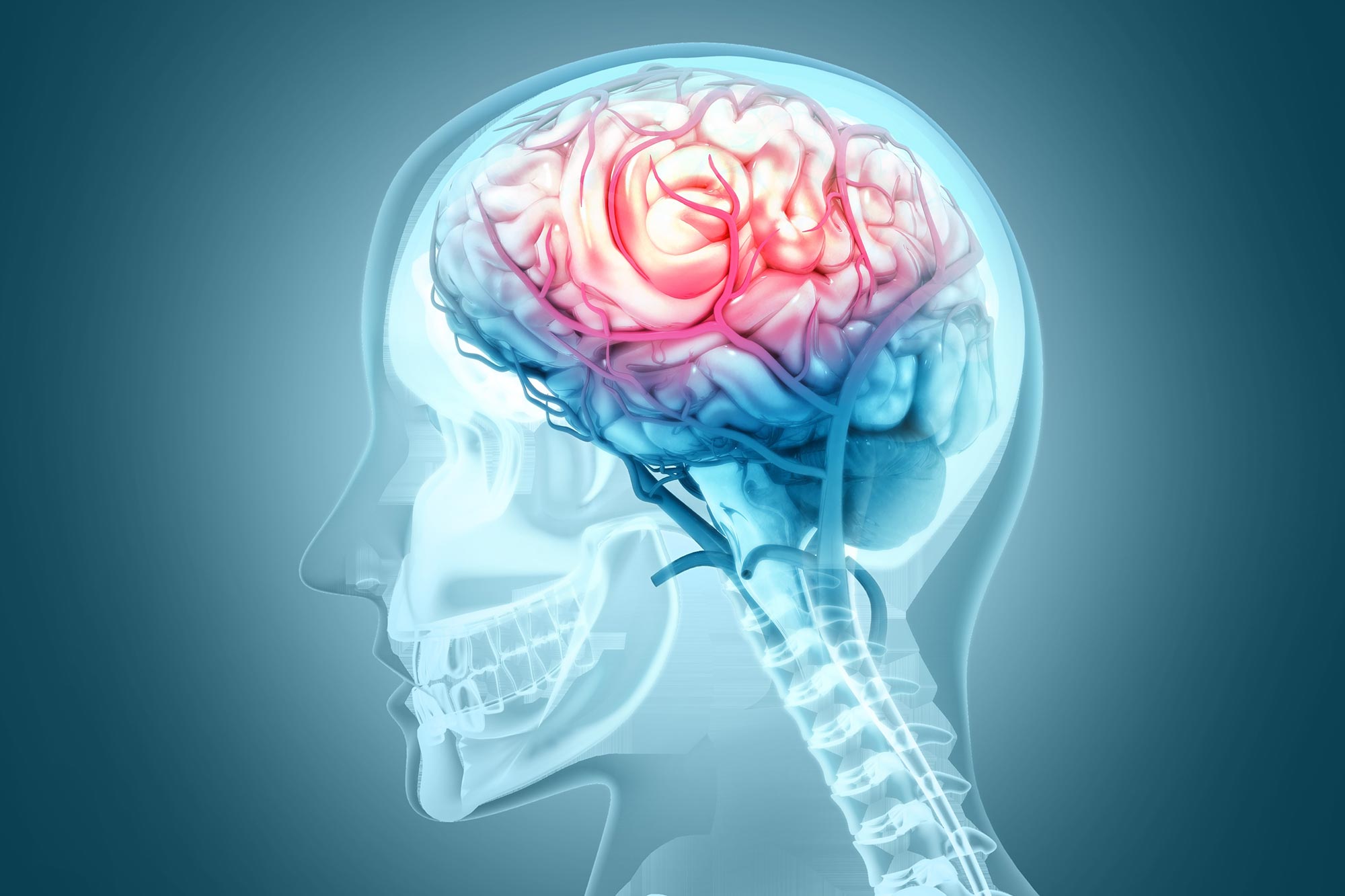
Summary of This Brain Condition Quadruples Dementia Risk And Most People Have Never Heard of It:
A recent study highlighted the connection between cerebral amyloid angiopathy (CAA) and an increased risk of dementia in older adults. Conducted with nearly 2 million Medicare participants, the findings revealed that individuals diagnosed with CAA are about four times more likely to develop dementia within five years, regardless of prior stroke history.
Key points include:
– CAA is a condition characterized by amyloid protein buildup in brain blood vessels, which can weaken them and lead to cognitive decline.
– The study emphasizes the importance of early cognitive screening for those diagnosed with CAA to detect memory issues sooner.
– While CAA increases dementia risk, the presence of a stroke further exacerbates this risk.
– Future studies are needed to confirm these findings and establish standardized diagnostic methods.
This research sheds light on the crucial relationship between small vessel disease and dementia, urging proactive management for those with CAA. Findings will be presented at the American Stroke Association’s International Stroke Conference in 2026.
*****
Summary
- Cerebral amyloid angiopathy (CAA) significantly increases the risk of developing dementia, independent of stroke.
- A recent study found that older adults with CAA face a fourfold higher risk of dementia within five years.
- Researchers emphasize the need for early cognitive screening after a CAA diagnosis to avert further decline.
- Understanding how CAA affects brain health is crucial for addressing cognitive impairments related to aging.
- The findings highlight the interaction between CAA and Alzheimer’s, reinforcing the need for targeted preventative measures.
Unveiling a Hidden Danger: Cerebral Amyloid Angiopathy and Dementia Risk
Imagine a silent plague lurking in the shadows of our aging brains, undermining cognitive function while often evading detection until it’s too late. This is the lurking presence of cerebral amyloid angiopathy (CAA), a condition that has recently gained attention for its shocking association with a fourfold increase in dementia risk. As you read through this exploration of CAA, you’ll be armed with insights that may shape your understanding of brain health, offering not just information but the promise of proactive, empowered living.
The Silent Accumulator: What is CAA?
Cerebral amyloid angiopathy is a condition characterized by the accumulation of amyloid proteins in the walls of blood vessels in the brain. While the presence of small amounts of amyloid can be commonplace as we age, excessive buildup can lead to disastrous consequences. What’s fascinating yet frightening is that many remain unaware that they may be harboring this condition until cognitive decline becomes apparent.
Picture the brain as a bustling city filled with intricate pathways—our blood vessels are the highways ensuring nutrients and oxygen flow. When amyloid proteins start to clog these highways, it’s akin to a traffic jam that can lead to catastrophic accidents—hemorrhagic strokes, cognitive decline, and ultimately, dementia. The recent findings linking CAA to increased dementia risk remind us of the importance of understanding this condition.
Unpacking the Research: What Did the Study Find?
A comprehensive study drawing from nearly 2 million older adults revealed some striking statistics about CAA. Researchers meticulously analyzed Medicare health records over several years to unearth the link between CAA and dementia. They found that individuals diagnosed with CAA had a staggering 42% risk of developing dementia within five years—compared to just 10% in those without the condition. What does this suggest? Simply put, CAA is not just a benign observation; it’s a significant risk factor warranting immediate attention.
Moreover, the research highlighted that even in the absence of stroke, individuals with CAA faced a heightened risk of dementia. Many might assume that stroke would be the main tipping point for cognitive decline; however, CAA stands as a formidable adversary on its own. This revelation underscores the critical need for proactive screening and monitoring once CAA is diagnosed.
The Complex Relationship Between CAA, Stroke, and Dementia
To grasp the implications of CAA fully, one must consider its relationship with other neurological issues, most notably stroke. CAA is known to increase the likelihood of both hemorrhagic and ischemic strokes—two conditions that can dramatically alter an individual’s cognitive landscape. Yet, the new study suggests that the implications of CAA extend beyond stroke-related complications—unraveling cognitive function is an independent journey influenced by this condition.
Samuel S. Bruce, M.D., who contributed to the research, noted that the risk of developing dementia among those with CAA without a stroke mirrored that of those with both conditions. This point is vital: it shows that even without overt stroke symptoms, individuals with CAA are on a precarious path toward cognitive decline. Personal health narratives are often shaped by unrecognized risk factors; thus, knowledge about CAA might empower individuals to seek the necessary evaluations for early intervention.
Proactive Measures: The Path Forward
The insights garnered from this research call for immediate action in the field of cognitive health. Early detection and monitoring are crucial, particularly for individuals diagnosed with CAA. For many, this might provide an opportunity to exploit the “window of opportunity” to slow or mitigate cognitive decline.
Firstly, if you or a loved one has been diagnosed with CAA, advocating for cognitive screening becomes paramount. Regular assessments can help identify subtle changes in memory and thinking patterns, serving as a crucial line of defense against progressive decline. Furthermore, early intervention strategies—such as engaging in brain-healthy activities and optimizing cardiovascular health—can play a pivotal role in managing risk factors.
In addition, embracing lifestyle modifications may bolster brain health. Diet plays a crucial role; consider integrating omega-3 fatty acids, antioxidants, and other brain-boosting nutrients into your meals. Physical activity, too, is vital—not only does it improve cardiovascular health, but studies have shown regular exercise enhances cognitive function and may even stimulate the growth of new brain cells.
The Broader Implications of CAA
As researchers delve deeper into the intricacies of conditions like CAA, we gain more than just statistical knowledge; we garner insights into human resilience and the potential for cognitive aging. The connection between CAA and Alzheimer’s—a relationship hinted at throughout various studies—reinforces the idea that addressing one condition may deeply impact the trajectory of another.
Understanding CAA is not merely an academic exercise; it’s a matter of practical significance. It serves as a reminder that the brain’s health is an intricate tapestry, woven together by genetic, environmental, and lifestyle factors—a tapestry that requires vigilant care and attention.
Engaging with Your Health: The Personal Journey
It’s easy to feel overwhelmed or fearful upon learning about conditions like CAA. However, acknowledging the reality of these risks is the first step towards reclaiming agency over one’s health. The dialogue around cognitive health—and particularly conditions like CAA—should promote awareness rather than paranoia. Approach this knowledge as an empowerment tool.
Consider engaging with healthcare providers about personalized risk assessments. Be an active participant in your healthcare decisions. Questions to ponder may include: What screening options are available? How frequently should cognitive assessments be conducted? What lifestyle changes could further mitigate risks? Asking the right questions can lead you to resources and support systems that might transform your journey.
Conclusion: A Call to Awareness
The understanding of cerebral amyloid angiopathy and its implications for dementia risk is not merely about data—it’s about lives, loved ones, and the quality of our aging process. Equipping ourselves with knowledge serves a double purpose: we prepare ourselves, and we contribute to raising awareness among others who may unknowingly be walking a dangerous path.
So as you navigate your own life or support someone on their journey, remember the significance of proactive health measures. Share this knowledge; engage in conversations that matter. Together, we can foster not only awareness but a movement towards optimal brain health. After all, knowledge is power, and the first step in bypassing the obscured roads of CAA is shining a light on its existence. By doing so, we honor our cognitive health and prepare ourselves for a journey rich with clarity, vitality, and purpose.