Summary of The Gout Advice Going Viral on TikTok Isn’t What Works:
A study published in Rheumatology Advances in Practice highlights the misleading nature of gout-related advice on TikTok. Many popular videos focus on diet hacks and supplements rather than evidence-based treatments like long-term urate-lowering therapy. Gout, a common inflammatory arthritis affecting about 41 million globally, is often misrepresented as primarily a dietary issue, ignoring significant factors like genetics and kidney function. The researchers stress the need for more accurate health information on social media to help improve public understanding and management of gout.
*****
Key Takeaways
- Viral Misinformation: TikTok videos on gout often disseminate misleading information, focusing mostly on diet and supplements rather than evidence-based medical treatments.
- Gout Basics: Gout is a common inflammatory arthritis condition caused by high urate levels in the blood, yet many misconceptions exist about its causes and treatments.
- Content Evaluation: A recent study analyzed over 200 TikTok videos, revealing that only a few discussed proper medical management, such as long-term urate-lowering therapies.
- Influence on Young Adults: Social media significantly sways health-related opinions, especially among younger demographics who frequently seek health advice online.
- Call to Action: Experts recommend harnessing social media positively to improve the public’s understanding and management of gout, aligning information with clinical guidelines.
Is Viral Gout Advice Leading You Astray?
In a world saturated with social media platforms, TikTok has emerged as a front-runner in shaping opinions—and not just about dance moves or cooking hacks. Awareness around health conditions, like gout, has also found its way into viral videos that are both captivating and, unfortunately, often misleading. A recent study published in Rheumatology Advances in Practice provides a sobering look at how TikTok videos are impacting the understanding and treatment of gout. Let’s delve into why viral advice may not always be what actually works.
What Exactly Is Gout?
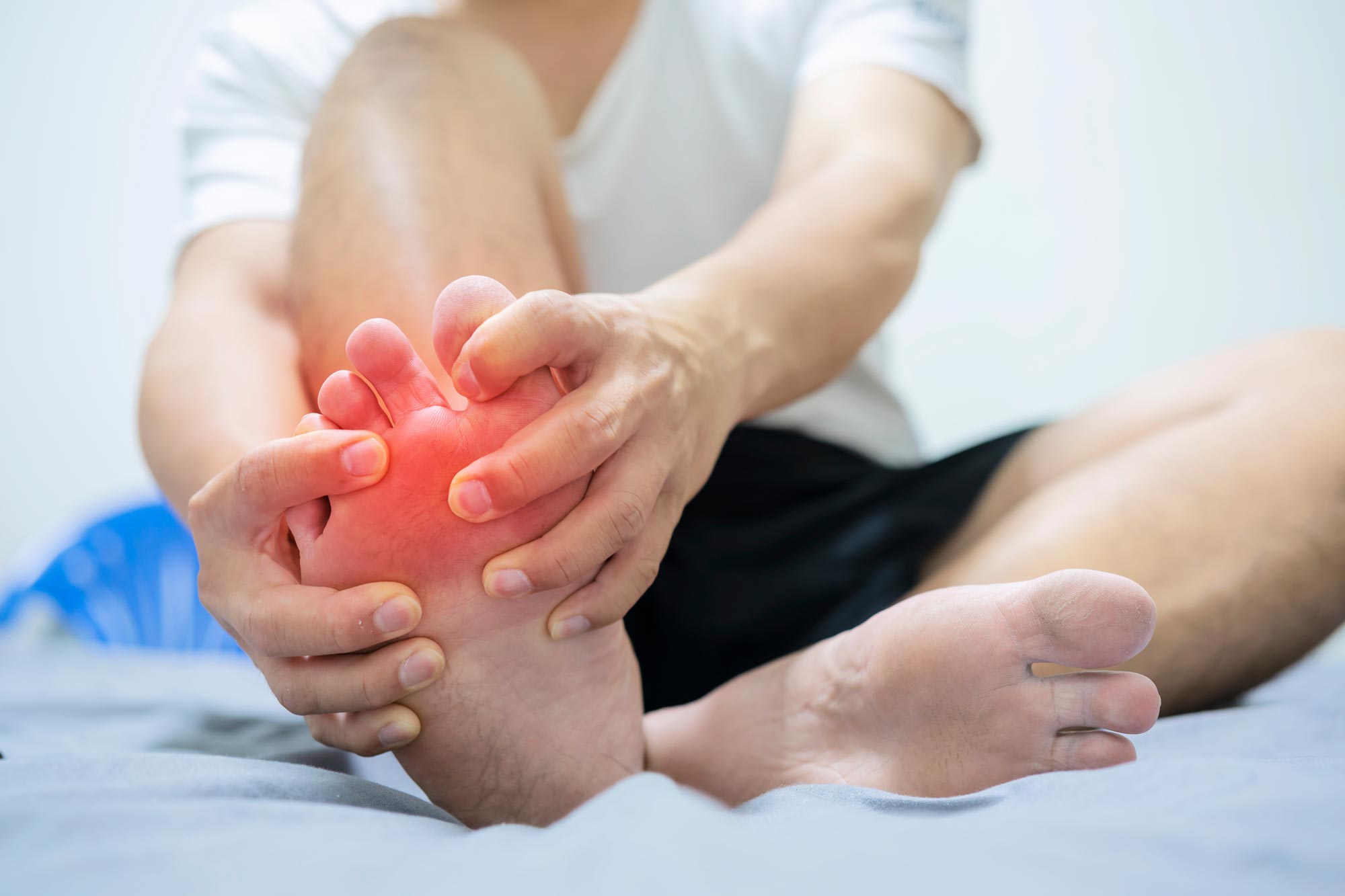
First, let’s understand gout in a bit more depth. This form of inflammatory arthritis strikes with sudden, excruciating pain, often in the joints. It occurs when urate levels in the blood soar, leading to the formation of crystals in joints—imagine tiny shards of glass causing havoc in your toe. Surprisingly, around 41 million individuals globally battle this condition, highlighting its prevalence. Yet, many people remain unaware of its true nature and the most effective paths to relief.
Despite what you may have heard on social media, managing gout effectively involves more than simply adjusting your diet or taking herbal supplements. Medical guidelines emphasize a robust, long-term strategy: urate-lowering therapy, the most effective method for long-lasting control. And yet, studies show that many individuals with gout are not achieving the health outcomes they could.
The Role of TikTok in Health Decisions
Now, here’s where TikTok struts its stuff. Almost every young adult is on social media these days—around 98% of people aged 12 and older are active online. For those living with health issues, it gets even more interesting; about 52% actively share or seek health information on these platforms. Recent surveys reveal that a staggering 70% of young women specifically look for health information on TikTok, while 92% inadvertently encounter health content. This presents not just an opportunity but a responsibility to curate content accurately.
When researchers scrutinized the nature of gout-related content on TikTok, the findings were illuminating. They examined 200 videos featuring ‘gout’ and categorized the presenters: 27% were individuals living with the condition, nearly a quarter were health professionals, and the rest were everyday people. The blend revealed fascinating insights into public perception but raised urgent concerns about the advice being dispensed.
Diet Advice: A Double-Edged Sword
You might be wondering, what kind of advice is being shared? A significant 45% of these videos dive into discussing risk factors, primarily focusing on diet and lifestyle—even though this approach oversimplifies a complex medical condition. Many videos championing dietary changes suggested that cutting salt, alcohol, and red meat could drastically reduce gout incidents.
Content promoting specific diets or "miraculous" remedies has a magnetic pull, often misrepresenting the balance between lifestyle choices and genetic or biological risks. Supplements and herbal products emerged prominently, suggested as solutions with phrases like "pure herbs, no hormones, and no side effects." But here’s the catch: it’s important to remember that while lifestyle adjustments can be beneficial, they are not the silver bullet long-term management demands.
The Tricky Terrain of Medical Information
Out of those 200 videos, only seven mentioned medications as a means of managing gout effectively, often limping through discussions centered on short-term pain relief methods such as steroids or non-steroidal anti-inflammatory drugs (NSAIDs) like ibuprofen. Alarmingly, only two videos touched upon long-term urate-lowering therapy—the gold standard treatment backed by substantial clinical evidence.
This glaring gap underscores a critical issue: misinformation can lead to misunderstanding, and misunderstanding can lead to mismanagement. If viewers are led to believe dietary changes alone will suffice, they may overlook the essential medical treatment recommended by rheumatologists.
The Dangers of Oversimplification
So, why does this matter? It boils down to how narratives shape beliefs—and public perception can be a powerful force. Gout is frequently portrayed as a personal failing, something you can control merely through discipline in your diet. However, reality tells us that factors like genetics, kidney health, and body weight wield far greater influence on gout risk. This skewed representation simplifies a multifaceted condition and can engender feelings of shame and frustration among those suffering from gout.
Bridging the Gap Between Misinformation and Accurate Knowledge
The researchers behind the aforementioned study emphasized that much of the advice circulating on TikTok does not align with clinical guidelines. Dietary recommendations dominated the conversations, accounting for 53% of suggestions. When effective treatments are relegated to a mere footnote, the potential for improving patient outcomes takes a major hit.
Imagine the possibilities if health professionals stepped forward to share credible content. TikTok could transform into a vital resource for educating individuals about gout rather than a platform proliferating misinformation. There’s tremendous potential to leverage social media, using its expansive reach to break down myths, share accurate insights, and ultimately improve management strategies for gout.
The Call for Action
Now, here’s where you come in. Whether you’re an avid TikTok user or merely an observer, you have the power to impact the narrative. If you encounter health advice that seems dubious, question it. Share credible sources. Consult with healthcare providers for information grounded in clinical evidence. The more we engage with the content we consume, the more we can advocate for our health and the health of our communities.
Building a Better Environment for Health Information
Understanding gout should not feel like navigating a labyrinth of misinformation. By pushing for transparency and backing validated treatments, we can cultivate a healthier dialogue around management options. When health experts and organizations commit to creating accurate, accessible content on platforms like TikTok, the odds of revolutionizing how we view and address chronic conditions can dramatically shift.
Choosing Wisely
For those grappling with gout, the complexity of the condition may feel overwhelming, but you’re not alone. Remember, while social media can provide a treasure trove of information, it is essential to be discerning. The advice you follow can significantly affect your journey toward better health, so make it count.
Choose evidence-based solutions that align with professional guidance. Dietary adjustments and lifestyle changes can supplement your treatment but never replace it. By prioritizing informed decisions, you not only pave a brighter path for your own health but also contribute to creating a more informed society.
The Bigger Picture
As we move further into an increasingly digital world, the call for reliable, fact-based health information remains vital. Whether it’s gout or another condition, our collective efforts to educate ourselves and others can foster an empowered community—one that places informed choices at its core. This is not just about managing one condition; it’s about nurturing a culture of health literacy for generations to come.
In summary, while TikTok may be the stage for viral trends, it doesn’t dictate the content older wisdom and medical science can offer. The onus lies with us to challenge misleading narratives and drive the conversation toward the truth. Your journey toward understanding gout—and any other health issue—begins with making informed choices today. This is not just about living with gout; it’s about thriving despite it. Let’s make that aspiration our reality.