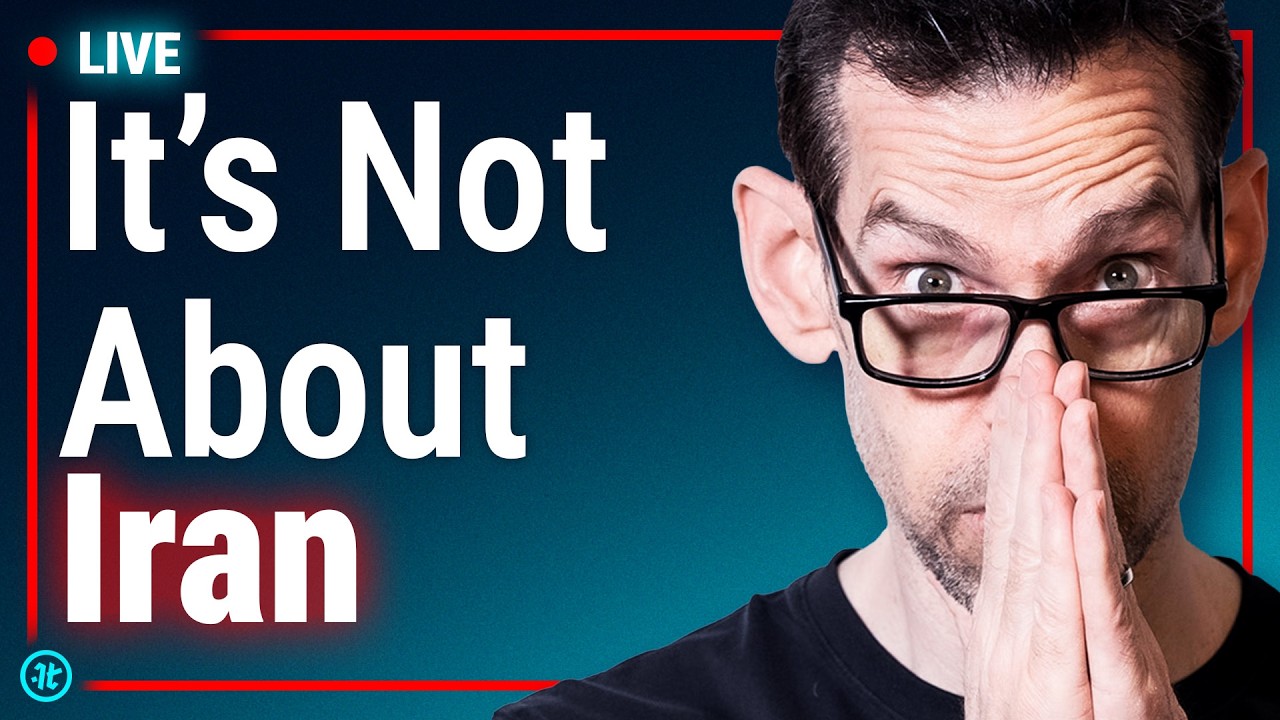
- The multifaceted nature of political decision-making in relation to foreign affairs.
- How domestic factors influence international policy, particularly in the context of health and nutrition.
- The intersection of public opinion and political strategy in shaping government action.
- The economic implications of foreign policy positions on domestic industries.
- An exploration of the links between dietary health, insulin sensitivity, and broader social issues.
The political landscape is often a complex web of intertwined interests and motivations. One might find it enlightening to consider how various factors shape decisions made by political leaders. For instance, the recent retreat of former President Donald Trump from aggressive posturing towards Iran can provide insight into the broader realm of political decision-making. This phenomenon illustrates the intricate connections between foreign relations, domestic policy, and public perception.
As Trump faced mounting pressure regarding military actions against Iran, it became evident that the motives behind his decisions extended beyond the immediate geopolitical climate. Political leaders often consider public sentiment when navigating foreign relations. A populace concerned with health and safety—especially regarding issues like diet and nutrition—might sway a politician’s stance. The American public has increasingly prioritized health, leading to a greater focus on the implications of military action for local communities. This is a realization that can profoundly impact future governance.
Another noteworthy aspect is how domestic policies influence international relations. The health of a nation is not only reflective of its medical practices but also its nutrition policies. Studies have repeatedly shown that a population with high levels of chronic disease—often linked to poor dietary choices—may lack the resilience needed to support military engagement abroad. Insulin sensitivity, a vital aspect of metabolic health, directly relates to nutrition. In populations grappling with obesity and diabetes, public health becomes an integral part of discussions about war, diplomacy, and resource allocation. With Trump stepping back from contentious military engagements, it raises questions about how domestic health landscapes can influence foreign affairs.
Public opinion plays a critical role in political strategy. Trump’s backing away from a forceful stance on Iran can be seen as a reflection of widespread war fatigue among the American populace. Surveys indicate that Americans are increasingly weary of overseas military entanglements, particularly when it intersects with issues at home. The correlation between public health challenges, such as rising rates of insulin resistance and chronic diseases, and military readiness is becoming a topic of concern among citizens. Political figures, including Trump, are naturally inclined to respond to this sentiment to maintain their positions.
Economic considerations add another layer to the understanding of Trump’s decision. Military actions often require significant resources. When domestic energies could be redirected toward combating escalating health crises, leaders must weigh these priorities against foreign commitments. The food industry, healthcare costs associated with metabolic diseases, and the resources required to support military actions all intersect at economic crossroads. A society that prioritizes sustainable health measures could better allocate its resources, potentially impacting military funding and policy.
Moreover, there are deeper societal implications tied to health and nutrition, which can influence decision-making on both a micro and macro scale. The increasing prevalence of metabolic diseases, influenced by modern dietary patterns, raises concerns about national readiness and resilience. Limited nutrition can lead to increased healthcare costs and reduce the workforce’s overall capability. This linkage suggests a potential realignment of priorities, where ensuring the populace’s health becomes as critical as defending national borders.
The discussion of insulin sensitivity and metabolic health connects to broader public health campaigns aimed at improving dietary practices. The shift towards preventive health measures, focusing on nutrition rather than reactive treatments, reflects wider societal changes. Policymakers are beginning to recognize that a healthy population may equate to a more effective political and military strategy.
As political narratives evolve, so too does the relationship between health, economic vitality, and global engagement. Strategies that encompass both health initiatives and foreign policies are likely to receive greater public support. In this light, Trump’s retreat from confrontation with Iran can be interpreted as part of a larger movement to focus on domestic wellness, with the intention of fortifying the nation from within.
Viewing Trump’s decision through this lens offers valuable insights into how deeply interconnected our decisions regarding health and foreign policy are. Ultimately, the direction of future policies will need to consider these interdependencies, shaping a more integrated approach to governance. Understanding these relationships will be essential for policymakers aiming to address the challenges posed by both domestic health crises and international obligations.
As the discourse on health and nutrition continues to grow, the implications for foreign policy are becoming clearer. It is essential to view dietary health not as a separate entity but as an integral component of national security and international relations. By prioritizing public health, a nation may find itself more equipped to deal with the complexities of global politics.
Ultimately, increasing awareness about health issues, including the nuances of insulin sensitivity and nutrition, will play a crucial role in shaping future political landscapes. The interplay between these sectors reveals potential paths to address national and global challenges in an interconnected manner. As future leaders consider their strategies, they will need to align domestic well-being with their foreign policy objectives, ensuring a holistic approach to governance. The insights gained through events like Trump’s retreat from a martial stance on Iran illustrate the importance of considering health within the framework of political decision-making.
In summary, the complexities of health, public opinion, and foreign policy are inherently linked. Understanding and addressing these factors holistically will create a more resilient political environment, allowing nations to navigate challenging international waters with greater effectiveness. Moving forward, the dialogue surrounding these interrelations will likely continue to evolve, shaping not only public health policies but also the trajectory of international relations. Though often overlooked, nutrition and health have a vital role in political decision-making, underscoring the need for informed citizens and leaders alike.
*****
Source Description
Welcome to Impact Theory with Tom Bilyeu—today’s episode dives headfirst into geopolitics, economics, and innovation at breakneck speed. Broadcasting from what Tom Bilyeu humorously calls “the bunker in Greenland,” the show kicks off with the volatile situation in Iran: Trump’s dramatic threats, rapid backtracking, and the intricate economic maneuvers behind the headlines. You’ll hear how market forces—especially the bond market—are driving decisions at the highest levels, and discover why the fate of the petrodollar is at the heart of global power struggles.
Druticus joins Tom Bilyeu to break down poll results, discuss propaganda on all sides, and untangle complex cause-and-effect loops shaping our world. The episode doesn’t stop at conflict—there’s a deep dive into Elon Musk’s jaw-dropping TeraFab project, which could redefine AI manufacturing and potentially de-risk World War III for America.
Expect powerful conversations about international law, propaganda, and the narratives shaping public opinion, plus insights into the human dynamics—evolution, motivation, and behavioral psychology—that drive history and innovation. From Cuba’s blackout to the global energy chess game, and from philosophy to cognitive behavioral therapy, this episode captures why understanding cause and effect is more crucial than ever.
Tune in for nuance, debate, and perspective where world events, technology, and the very stories we tell all converge.
00:00 Intro
03:04 Trump’s Ultimatum
16:21 Dying Petro Dollar
27:36 History Of False Flags
40:50 Tucker And The Right To Exist
01:08:11 Cuba
01:28:00 TeraFab
01:40:01 The Evolutionary Case To Getting Laid
01:40:31 ICE At Airports
And as always:
Do you need my help?
STARTING a business: join me here inside ZERO TO FOUNDER (https://tombilyeu.com/zero-to-founder)
SCALING a business: click here to see if you qualify (https://tombilyeu.com/scale)
Get the exact systems, mindset shifts, and principles that built a $1B brand delivered straight to your inbox every week. Subscribe for free (https://tombilyeu.com)
Check out our Video game – Project Kyzen: (https://projectkyzen.io/)
Catch Me Streaming on Twitch – (https://twitch.tv/tombilyeu)
Link to IT discord: https://discord.gg/TZKJ2etPbT
Tom’s Favorite Things List: https://amzn.to/41Ftt7e
Learn more about Zero to Founder: https://hubs.la/Q03B2DqN0
Join the Kyzen Discord: https://discord.gg/8B3yyv7KHN