Summary of Why Low Testosterone May Make Sugary Diets Much More Dangerous:
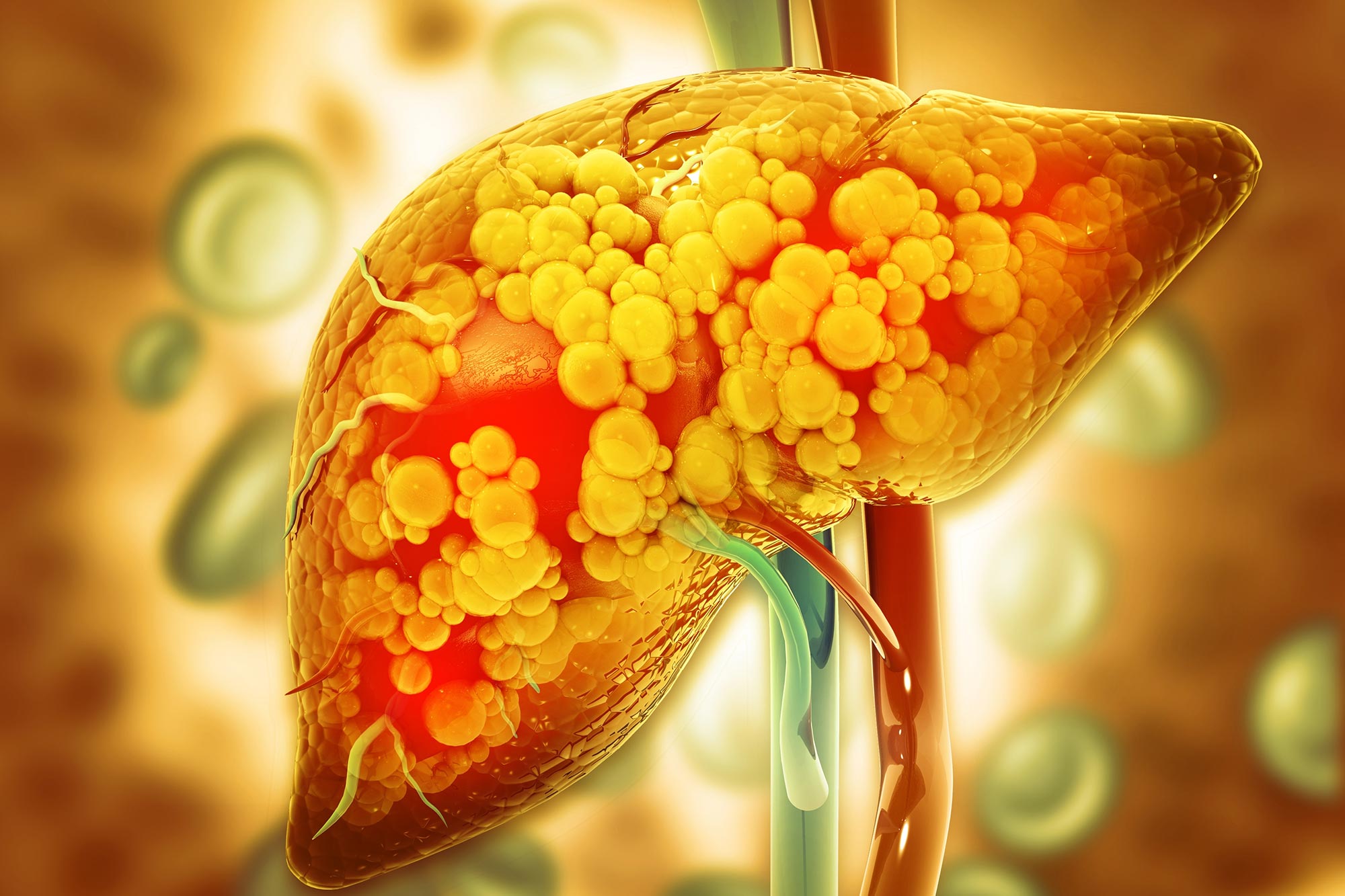
A recent study led by researchers from Osaka Metropolitan University investigated the interplay between low testosterone levels and high fructose intake in the development of fatty liver disease. The research found that these two factors can synergistically increase fat accumulation in the liver, contributing to metabolic dysfunction-associated steatotic liver disease (MASLD), which affects 40% of adult men globally.
Using an experimental model of male mice, the study divided them into various groups based on testosterone levels and fructose consumption. Results indicated that mice with low testosterone and high fructose intake experienced significant liver fat buildup compared to those exposed to each factor independently. Changes in gut microbiota and higher levels of intestinal pyruvate were also observed, suggesting that these changes might enhance liver fat accumulation.
The team aims to further explore how pyruvate contributes to triglyceride buildup, potentially informing future treatments and dietary guidelines for fatty liver disease. The study holds implications for understanding lifestyle-related risks associated with liver health.
*****
Why Low Testosterone May Make Sugary Diets Much More Dangerous
Key Takeaways:
- Low Testosterone and Health Risks: Decreased testosterone levels are linked with various health issues, including metabolic dysfunction and fatty liver disease.
- Fructose’s Impact: High intake of fructose, particularly from sugary diets, has been established as a risk factor for fatty liver disease.
- Synergistic Effects: Research shows that low testosterone and high fructose intake can work together to exacerbate liver fat accumulation.
- Gut Microbiota Connection: Changes in gut microbiota due to low testosterone and fructose consumption may further complicate liver health.
- Future Directions: Understanding the mechanisms behind these interactions may lead to new therapeutic strategies and dietary recommendations.
Low testosterone is a topic that warrants significant attention, particularly when considering modern dietary habits. It’s one of those conditions that lurks in the background, quietly influencing a multitude of health challenges. For many, the dangers of a high-sugar diet are well known, but what if I told you that low testosterone can make the risks associated with such diets even more pronounced? Let’s delve into this fascinating intersection of hormonal health and nutrition, exploring how these factors combine to make fatty liver disease a particularly pressing concern.
The Underlying Mechanics of Low Testosterone
Testosterone plays a vital role in the human body, particularly for men. It influences muscle mass, energy levels, and even mental acuity. However, when testosterone levels are low, a range of health issues can emerge. These may include fatigue, mood swings, decreased libido, and increased fat accumulation—specifically around the abdomen.
As alarming as it may sound, low testosterone is becoming increasingly common. In fact, recent statistics reveal that approximately 40% of adult men may experience some level of testosterone deficiency. It’s not just an elder statesman’s ailment; younger populations are experiencing drops in testosterone due to lifestyle factors such as poor diet, lack of exercise, and environmental toxins.
The Rise of Sugary Diets
Pair low testosterone with the growing prevalence of sugary diets—think sweetened beverages, processed snacks, and desserts—and we face formidable health risks. The ubiquity of added sugars can easily lead to overconsumption, creating a cocktail of health issues that complicates the scenario even further.
One major concern is the rise of metabolic dysfunction-associated steatotic liver disease (MASLD), which is intricately linked to both obesity and diabetes. Interestingly, a growing number of studies have indicated that high fructose intake, particularly through sugary drinks, significantly contributes to fatty liver disease. In fact, fructose doesn’t just provide empty calories; it is metabolized differently than glucose and tends to promote fat storage in the liver.
The Research Connection
Research is becoming revealing in unraveling these complex interactions. A fascinating study from Japanese researchers at the Graduate School of Agriculture explored how low testosterone and high fructose intake interact to affect liver health. By utilizing castrated and sham-operated male mice, the study examined the resulting liver changes when these two factors were combined.
Findings That Matter
The study found that when testosterone was low, and fructose intake was high, the mice developed significantly heavier livers—a clear indication of fat buildup and the early stages of fatty liver disease. On their own, each factor only caused minor alterations in liver triglyceride levels, but in combination, they synergistically worsened liver health.
But that’s not all—the study demonstrated changes in gut microbiota composition as well, indicating that testosterone levels might also interact with our intricate gut ecosystem. Researchers noted that low testosterone levels led to shifts in gut bacteria, which then became linked to an increase in certain metabolic byproducts, such as pyruvate, that exacerbate liver fat accumulation.
Gut Microbiota: The Hidden Player
If you thought testosterone and sugar were the end of the story, you’d be wrong. Our guts are home to trillions of microorganisms that play pivotal roles in digestion, immunity, and even mood regulation. The interplay between hormonal health and gut microbiota composition can influence how our bodies process nutrients, including sugars.
In the same study, the researchers examined how these shifts in gut bacteria produced changes that further compounded the issues caused by low testosterone and high sugar intake. It appears that when testosterone levels dip, the gut microbiota may undergo detrimental alterations that enhance the risk of liver fat accumulation. With this multifactorial problem, the body faces a cascade of challenges in managing fatty liver disease, potentially leading to severe consequences.
A Lifeline: Awareness and Action
So, what can we do with such intricate knowledge? Awareness is the first step toward taking action. Recognizing that both dietary choices and hormonal health are interconnected can empower individuals to make more informed lifestyle choices.
-
Assess Your Diet: If high fructose intake is a habitual part of your life, consider revamping your diet. Opt for natural sources of sugars, such as fruits, while minimizing processed foods laden with added sugars.
-
Consider Your Hormones: Talk with healthcare providers about testosterone levels, especially if you’re experiencing symptoms commonly associated with low testosterone.
-
Balance Is Key: Integrating regular physical activity can help moderate testosterone levels. Exercise promotes hormone balance and can illuminate a path toward better overall health.
- Gut Health Matters: Supporting gut health may also provide added benefits. Incorporating probiotics and fiber-rich foods can help cultivate a beneficial microbiota environment, which may aid in mitigating some of the metabolic risks associated with low testosterone and high fructose consumption.
Future Directions: Unraveling the Complexity
The research continues to unfold, revealing increasingly complex relationships between hormones, diet, and gut health. As scientists clarify the mechanisms at play, we may witness the development of innovative therapeutic methods to combat these intertwined issues.
Potential interventions could focus on dietary modifications, supplements to balance hormones, or even antibiotics targeting harmful gut bacteria. The objective will be to establish comprehensive strategies to manage or mitigate conditions like MASLD effectively.
Conclusion: An Empowering Perspective
It’s crucial to remember that understanding the relationship between low testosterone and sugary diets empowers you. Knowledge creates opportunities for preventative health strategies and informed decision-making that can significantly impact your life.
As we stand at the crossroads of nutrition and hormonal health, let’s embrace this captivating human experience of striving for a balanced, fulfilling life. Reassess not just what you eat but how those dietary choices configure your overall health. The journey towards wellness, while complex, offers myriad pathways illuminated by understanding and intention.
In this realm of self-improvement, awareness is a powerful catalyst for change. By taking proactive measures and exploring the unique interplay of hormonal health and diet, we can pave the way for a healthier future that nurtures not just our bodies but our overall quality of life.