- The connection between diet, nutrition, and modern-day diseases affecting men.
- The role of metabolic disease and its impact on overall health.
- Insulin sensitivity and its significance in maintaining metabolic balance.
- Strategies to improve diet and lifestyle for better health outcomes.
- Insights on combating the epidemic threatening men’s health in America.
In recent years, there’s been growing concern about certain health trends impacting men across America. These trends aren’t just abstract statistics; they are very real, affecting millions of lives. This article focuses on the insights from a clip featuring Tom Bilyeu, diving deep into diet, nutrition, metabolic disease, and insulin sensitivity to provide a comprehensive understanding.
The connection between diet and health is undeniable. Men today are more susceptible than ever to lifestyle-related ailments. A major contributor is the modern diet, which is often high in processed foods, sugars, and unhealthy fats. These dietary choices have a direct impact on the body, disrupting natural metabolic processes and leading to a range of diseases.
Nutrition plays a vital role in maintaining health. Proper intake of nutrients ensures the body’s various systems function effectively. However, the average diet in America falls short in providing essential vitamins and minerals. This deficiency can lead to several issues, including weakened immunity, decreased energy levels, and chronic conditions like obesity and heart disease.
Metabolic disease is a significant health challenge impacting the male population today. Conditions such as obesity, type 2 diabetes, and cardiovascular diseases are often the result of poor metabolic health. Men with metabolic diseases face higher risks of developing complications that affect their quality of life and longevity.
A crucial aspect of metabolic health is insulin sensitivity. Insulin is a hormone that helps regulate blood sugar levels. When the body becomes resistant to insulin, blood sugar levels can skyrocket, leading to diabetes and other health issues. Improving insulin sensitivity is key to preventing these problems and ensuring better metabolic functioning.
Strategies to enhance insulin sensitivity include regular physical activity, a balanced diet rich in whole foods, and maintaining a healthy weight. Exercise helps muscles absorb glucose more efficiently, reducing reliance on insulin. Foods like leafy greens, whole grains, and lean proteins support hormonal balance and metabolic health.
Understanding and addressing the factors contributing to this relentless epidemic require a multifaceted approach. Education about healthier dietary choices, increased physical activity, and regular health screenings can empower men to take control of their health. Ensuring that dietary patterns align with nutritional needs can curb the rise of diet-related diseases.
The conversation surrounding men’s health in America must continue to grow. By addressing the root causes of metabolic diseases and promoting better lifestyle choices, we can pave the way for improved health outcomes. This approach not only benefits individuals but also reduces healthcare burdens and enhances community well-being.
Tom Bilyeu’s insights drive home the urgency of these issues. The state of men’s health isn’t just a topic for discussion; it’s a call to action. With informed choices and decisive actions, the men of America can overcome the challenges posed by poor diet and metabolic diseases, ensuring a healthier future for themselves and generations to come.
This article serves as an educational resource, shedding light on the critical relationship between diet, nutrition, insulin sensitivity, and overall health. It emphasizes the need for awareness and proactive measures to combat the relentless epidemic devouring manhood in America.
*****
Source Description
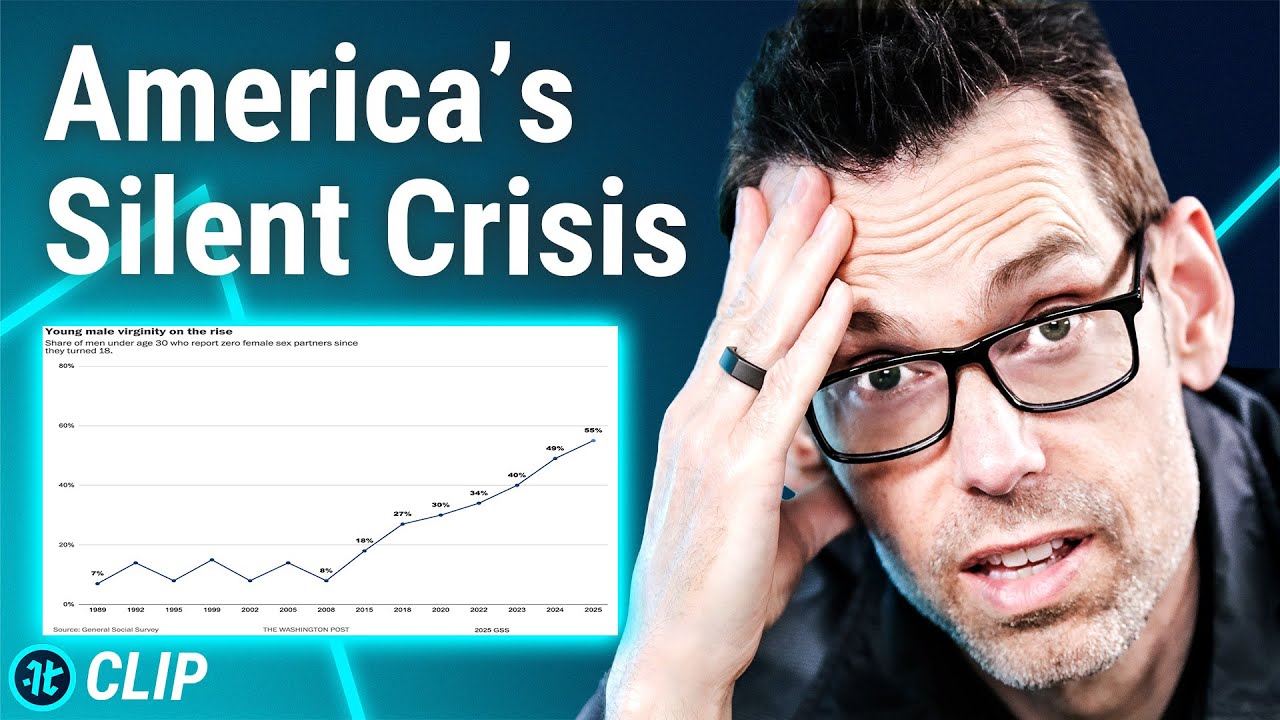
Tom delivers a blunt, unflinching breakdown of why young men are having less sex than ever, and why it’s a much bigger cultural crisis than anyone wants to admit.
From dating apps concentrating attention on a small group of men, to porn and OnlyFans replacing real relationships, to the breakdown of traditional dynamics that once pushed men to become better, Tom connects the dots between lost purpose, declining masculinity, and the rise of figures like Andrew Tate.
He argues that sex, far from being trivial, is a profound form of validation for men, and that without it, motivation, ambition, and connection collapse.
This is a raw, controversial conversation about responsibility, culture, and the hidden costs of modern life.
