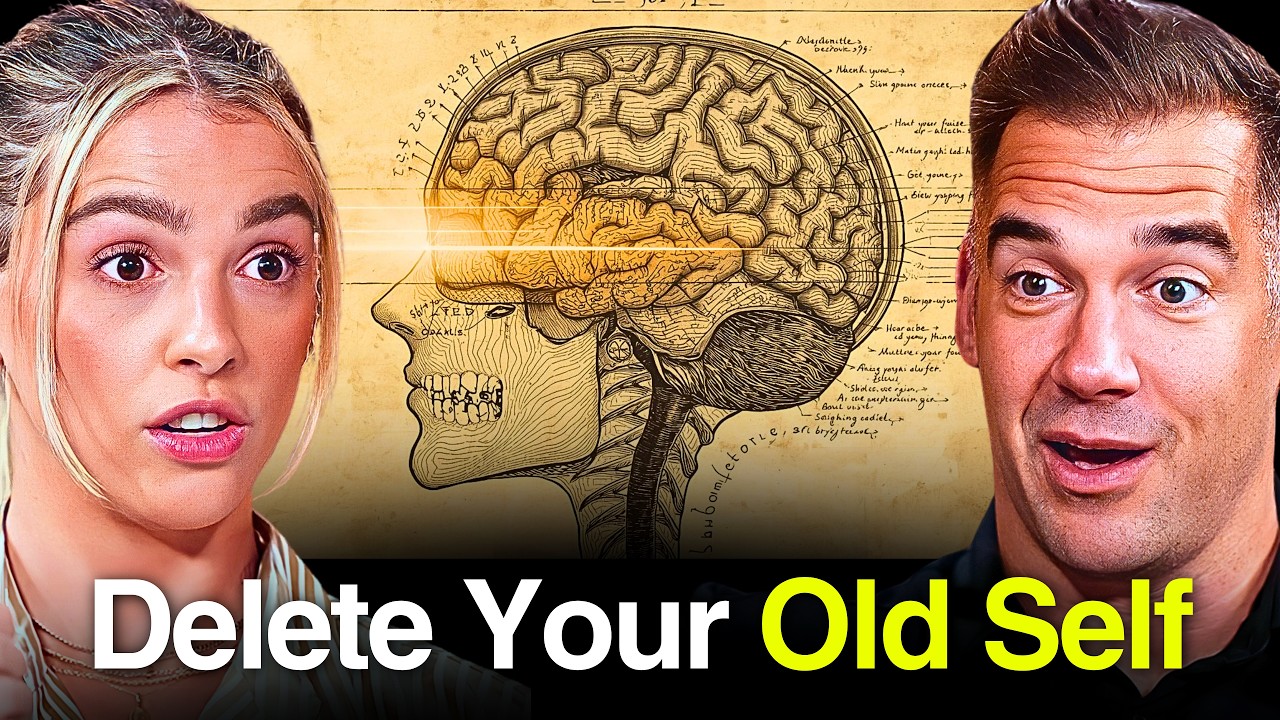
- The cognitive mechanisms underlying manifestation
- The role of mindset in shaping perception
- Neuroplasticity and its impact on reality creation
- The connection between emotional states and manifestation
- Practical applications and real-life implications
Understanding how our thoughts shape our reality is a fascinating topic at the intersection of neuroscience and personal development. This exploration of the neuroscience of manifestation emphasizes how your cognitive processes actively influence your experiences and perceptions. Scientists are delving deeper into the complex interplay between the brain and the mind, revealing how specific neural pathways contribute to the creation of your reality. Central to this discussion are critical aspects like mindset, neuroplasticity, and emotional states, which can significantly impact manifestations.
The cognitive mechanisms underlying manifestation are grounded in the principles of how individuals process information. Our thoughts act like filter systems, influencing the way we perceive the world. When we focus on particular thoughts or beliefs, we strengthen specific neural pathways in the brain. This phenomenon is known as cognitive bias, which often leads us to notice things that align with our current beliefs while ignoring information that contradicts them. For instance, if you strongly believe that opportunities are limited, your brain will likely highlight instances that reinforce this belief, thus shaping your reality.
This cognitive architecture highlights the importance of mindset. A positive mindset often cultivates a broader perspective, allowing for the recognition of opportunities and potential solutions. When one maintains an optimistic outlook, the brain is activated to engage in problem-solving processes more effectively. This capacity to see possibilities is not merely coincidental; it results from consistent patterns of thought that consolidate over time into entrenched neural connections. Fostering a constructive mindset can lead to tangible changes in how individuals navigate their environments.
Neuroplasticity, a foundational aspect of neuroscience, refers to the brain’s ability to reorganize itself by forming new neural connections. This adaptability is crucial for manifestation, as it means our thoughts can physically alter brain structure. Studies have demonstrated that even short-term cognitive training can lead to observable changes in brain function. This might explain why individuals who practice visualization techniques or affirmations often report more positive outcomes in their lives. As these new behavioral patterns gain traction, they can gradually reshape self-perception and enhance overall well-being.
Additionally, emotional states have a profound impact on manifestation processes. Our emotions significantly influence the way we think, and they also affect the quality of our manifestations. When individuals experience heightened emotions, whether positive or negative, their thoughts tend to reinforce those feelings, which can exacerbate their manifestations. Negative emotions, for instance, can lead to a cycle of self-doubt and limiting beliefs, ultimately affecting the outcomes they experience. Conversely, joyful and empowered emotions can propel positive manifestations, encouraging engagement and fostering resilience.
Understanding the connection between emotional states and manifestation offers practical applications for individuals seeking to create more fulfilling realities. By fostering awareness of emotional triggers and actively engaging in emotional regulation practices, individuals can better manage their responses. Techniques such as mindfulness meditation, gratitude journaling, and cognitive restructuring can play significant roles in this process. These practices not only help to cultivate positive emotions but also encourage a more expansive cognitive framework, enabling individuals to visualize and realize their aspirations effectively.
In practical terms, applying the concepts related to manifestation can yield substantial benefits. Setting specific, actionable goals that align with one’s values can enhance the manifestation process. This begins with identifying what is genuinely desired and setting intentions accordingly. Visualization techniques, which involve imagining the achievement of those goals, serve to activate the brain’s motivational pathways, creating a sense of urgency and excitement. By regularly engaging in visualization practices, individuals can reinforce their intentions.
Also essential is the alignment of physical health with mental and emotional well-being. Research indicates that lifestyle factors, such as diet, exercise, and sleep, significantly affect cognitive function and emotional regulation. A balanced diet rich in nutrients can optimize brain health, while regular physical activity can enhance mood by releasing endorphins. Prioritizing restorative sleep is equally important, as it allows the brain to consolidate learning and reset for optimal performance. By paying attention to these factors, individuals can further empower their manifestation practices.
Furthermore, community support plays a vital role in the manifestation process. Surrounding oneself with individuals who encourage positive thinking and ambition can create an uplifting environment conducive to achievement. Social connections serve as mirrors, reflecting back to us our thoughts, beliefs, and potential. Engaging in communities that share similar aspirations can amplify beliefs and motivations, thus reinforcing the psychological pathways associated with manifestation.
Finally, tracking progress and adjusting strategies based on experiences can enhance the manifestation journey. Keeping a journal that documents thoughts, emotions, and manifestations not only fosters self-awareness but also provides insights into what strategies work most effectively. This iterative process of reflection and adaptation allows for continuous growth and improvement, aligning intentions with reality over time.
The neuroscience of manifestation reveals significant insights into how our minds shape our realities. By understanding cognitive mechanisms, the importance of mindset, the principles of neuroplasticity, and the influence of emotional states, individuals can actively participate in their reality-creation process. Moreover, practical applications in daily routines illuminate pathways to fulfillment, demonstrating that manifestation is not a mere wish but an actionable pursuit grounded in scientific understanding. The ongoing journey of aligning thoughts, emotions, and actions with one’s true desires creates a dynamic interplay of mind and experience, capable of transforming the future.
*****
Source Description
🔔 Subscribe for more great content: https://www.youtube.com/lewishowes
▶️ Recommended for you: https://youtu.be/ges5AdZIv_s
Neuroscientist and mindset expert Emily McDonald, known as Em on the Brain, joins Lewis Howes to break down the neuroscience of identity shifting, neuroplasticity, and subconscious reprogramming. The conversation covers the default mode network, identity anchors, the kitten experiment in early neural development, law of attraction through a neuroscience lens, ADHD medication dependency, dopamine system hijacking through addiction, and Emily’s personal journey from victim mindset and clinical depression to building a coaching business and social media platform reaching millions.
Emily’s Website http://www.emonthebrain.com/
Emily’s Instagram https://www.instagram.com/emonthebrain/
Mindcraft Coaching Program https://www.emonthebrain.com/ltp
Listen to this episode on the go!
🍎 Apple Podcasts: https://podcasts.apple.com/us/podcast/the-school-of-greatness/id596047499
🟢 Spotify: https://open.spotify.com/show/07GQhOZboEZOE1ysnFLipT?si=a03d916bade54d4f
For more info about this episode, go to https://lewishowes.com/1935
💰 get my NEW YORK TIMES BESTSELLING book “Make Money Easy” today!https://lewishowes.com/moneyyou
📙 get my NEW YORK TIMES BESTSELLING book “The Greatness Mindset” today! https://lewishowes.com/gmyo
📤 sign up for my FREE newsletter https://lewishowes.com/greatnessdelivered
Follow Lewis!
Instagram: https://www.instagram.com/lewishowes/
Tiktok: https://www.tiktok.com/@lewis
Facebook: https://www.facebook.com/lewishowes/
Twitter: https://twitter.com/LewisHowes
💻 Website: http://lewishowes.com/
📲 For more Greatness text PODCAST to +1 (614) 350-3960
Get More Greatness!
Greatness Clips: https://www.youtube.com/@GreatnessClips
Spanish: https://www.youtube.com/@LewisHowesEspañol
Portuguese: https://www.youtube.com/@LewisHowesPortugues
Lewis Howes Shorts: https://www.youtube.com/@lewishowesshorts
00:00 – Aligning Your Nervous System for Manifestation
00:30 – Meet Neuroscientist Emily McDonald
02:11 – The Science of Shifting Your Identity
05:38 – How to Clear Your Future Vision
07:33 – Overcoming Environment and Identity Anchors
09:55 – Why Discipline Regulates the Nervous System
11:44 – How to Fix an Identity Mismatch
14:40 – The “Kitten Study” and Brain Reprograming
17:11 – Breaking the Belief System of Logic
21:14 – Stepping Out of a Victim Mindset
24:59 – Discovering Hope Through Neuroplasticity
27:59 – Bridging the Gap Between Science and Spirituality
39:25 – The Neuroscience Behind How Affirmations Work
44:41 – The True Law of Attraction Explained Neurologically
50:10 – Delusional Belief as a Biological Advantage
54:46 – What Happens to Your Body When You Doubt Yourself
01:00:02 – Overcoming ADHD and Addictions Without Medication
01:06:26 – Rewiring Your Brain and Response Control Through Meditation
01:12:19 – Emily McDonald’s Three Truths and Definition of Greatness
This episode is brought to you by Apple Card.
#greatness #inspiration #motivation