- Fast fashion’s impact on consumer behavior
- The environmental consequences of fast fashion
- The social implications of fast fashion manufacturing
- Health considerations linked to overconsumption
- Alternative approaches to sustainable fashion
The fast fashion industry has dramatically transformed the landscape of clothing production and consumption. This model, characterized by rapid production cycles and low-cost apparel, perpetuates a culture of overconsumption. The sheer volume of clothing produced annually has far-reaching implications, affecting not only consumer behavior but also the environment and social structures. The insights from Lisa Zhou’s TEDx talk highlight the complexity of this issue and its consequences.
Fast fashion fundamentally alters consumer behavior by encouraging impulsivity and a throwaway mindset. Traditional shopping habits often involve thoughtful consideration of purchases, but fast fashion promotes a different narrative. With new styles released weekly, consumers feel compelled to purchase items quickly, fearing they will miss out on the latest trends. Research indicates that clothing purchase frequency has increased significantly, as shoppers find themselves buying more and wearing items less. This trend not only fills wardrobes but also leads to higher rates of clothing disposal. The concept of "wearing once" has become increasingly prevalent, with many consumers discarding items after a single use. This change in behavior contributes to a cycle that fuels both production and waste.
The environmental consequences of fast fashion are severe and multifaceted. The industry is a leading contributor to pollution and waste, accounting for significant carbon emissions. Production processes often involve toxic chemicals, which can contaminate local water sources. Additionally, the textile waste generated is staggering. Millions of tons of clothing end up in landfills each year. Efforts to recycle textiles face challenges, as many garments are made from blended materials that are difficult to separate. The consequences extend beyond waste, as the demand for cheap production drives unethical labor practices in developing countries, where environmental regulations may be lax.
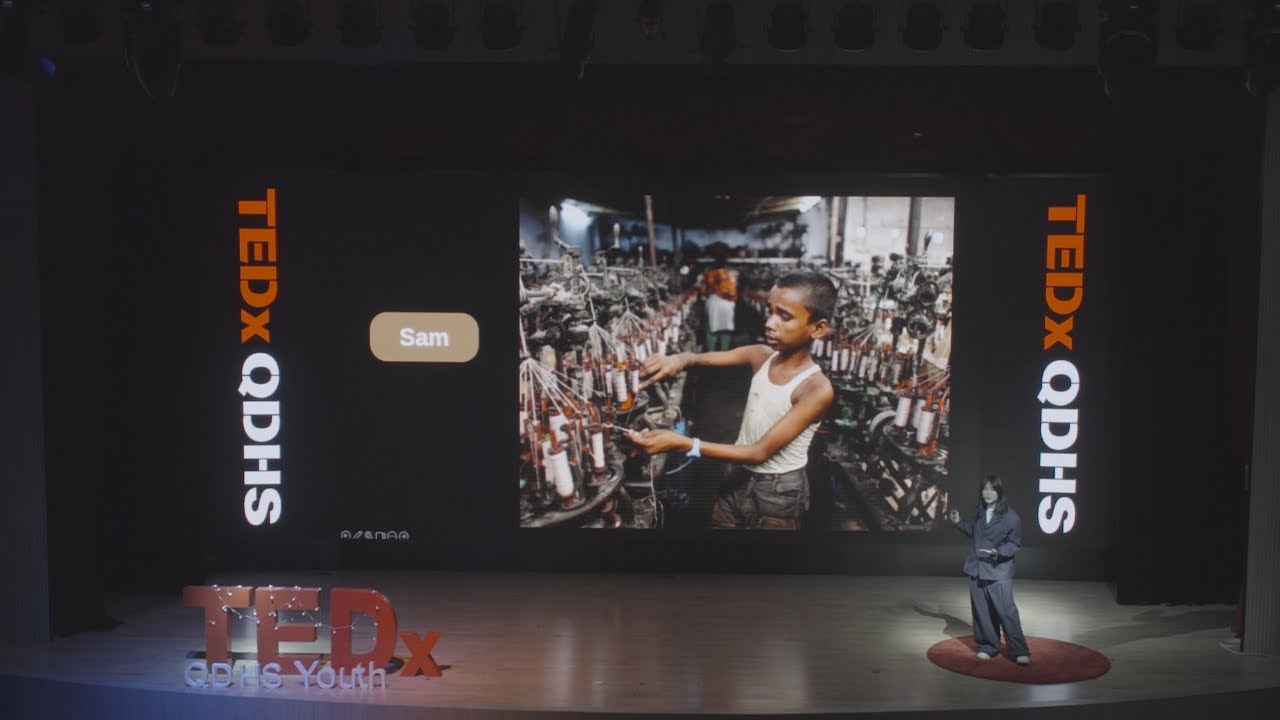
The social implications of fast fashion manufacturing cannot be overstated. The industry often relies on low-wage labor in countries where workers lack rights and protections. Reports of unsafe working conditions and exploitation are common. Fast fashion workers often toil long hours for minimal pay, contributing to a cycle of poverty. This exploitation raises ethical questions about consumers’ roles in supporting such practices. When buying inexpensive clothing, one must consider whether that saving is built on the backs of vulnerable workers.
Health considerations also intersect with the consequences of fast fashion and overconsumption. The rapid turnover of clothing means that materials used often lack safety standards or have not been tested for harmful effects. Many garments contain synthetic fibers treated with chemicals that may pose health risks. Regular exposure to these materials raises concerns regarding skin irritation and long-term health effects. Moreover, as people focus on short-term satisfaction from new purchases, there is little emphasis on quality or sustainability. Consumers may overlook the importance of choosing garments made from safe, sustainable materials, which can support overall health and well-being. Shifting focus from fleeting trends to mindful purchasing can improve not just individual health, but collective societal well-being.
The rise of fast fashion has sparked a growing movement toward sustainable practices. Consumers are becoming more aware of the ramifications of their shopping habits and are seeking alternatives. Sustainable fashion emphasizes quality over quantity. Brands that prioritize ethical production practices and environmentally friendly materials appeal to conscientious consumers. Initiatives like second-hand shopping and clothing swaps foster a sense of community while reducing waste. Educating consumers about the impacts of their choices empowers them to make informed decisions. By opting for items that are not just trendy but also built to last, individuals can contribute to a more sustainable future.
In summary, fast fashion serves as a catalyst for overconsumption, with significant effects on consumer behavior, the environment, social justice issues, and overall health. Recognizing the intricate relationship between these factors can lead to more responsible consumption practices. Adopting a sustainable fashion mindset encourages individuals to think beyond fleeting trends, fostering a culture of mindfulness and stewardship. This shift toward sustainability not only benefits consumers but also benefits global communities and the environment. As awareness grows, the pursuit of alternatives becomes a pathway to reclaiming responsibility in our purchase decisions.
*****
Source Description
Am I really buying something I need or just repeating an echo? My name is Lisa Zhou, and I’m a high school student who loves observing fashion and culture. I’ve noticed that from casual conversations with friends about outfits to the latest displays in store windows, every trend seems to echo from one person to another, shaping our choices and tastes without us even realizing it. Over time, I realized that my wardrobe isn’t just a collection of clothes, but instead a mirror of echoes, reflecting the desires and societal pressures that influence each of us. In a world where trends and information spread faster than ever, fashion seems like a tool for self-expression, but it also quietly traps us in endless cycles of overconsumption. This makes me wonder if the motivation of fashion is self-expression or to keep up with the echo. In my speech, I hope to show, from a student’s perspective, how fast fashion echoes influence our decisions, and to explore whether creativity and redesign can replace endless consumption.
My name is Lisa Zhou, and I’m a high school student who loves observing fashion and culture. I’ve noticed that from casual conversations with friends about outfits to the latest displays in store windows, every trend seems to echo from one person to another, shaping our choices and tastes without us even realizing it. Over time, I realized that my wardrobe isn’t just a collection of clothes, but instead a mirror of echoes, reflecting the desires and societal pressures that influence each of us. In a world where trends and information spread faster than ever, fashion seems like a tool for self-expression, but it also quietly traps us in endless cycles of overconsumption. This makes me wonder if the motivation of fashion is self-expression or to keep up with the echo. In my speech, I hope to show, from a student’s perspective, how fast fashion echoes influence our decisions, and to explore whether creativity and redesign can replace endless consumption. This talk was given at a TEDx event using the TED conference format but independently organized by a local community. Learn more at https://www.ted.com/tedx